Boiler & heating breakdowns
Radiator Not Heating Up: The Fix in Order
Published
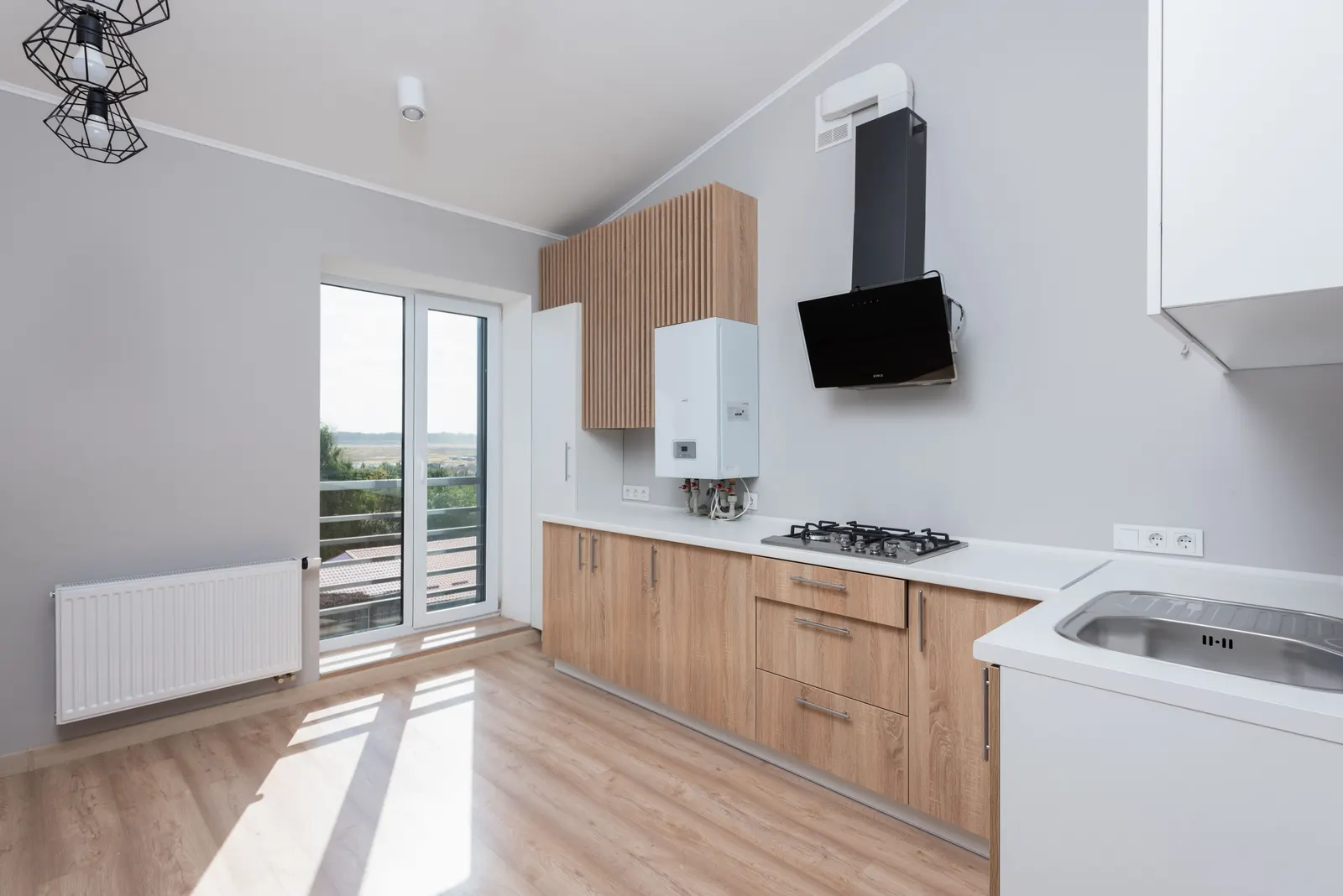
A radiator not heating up is usually air, sludge or a valve. Work in order: confirm the boiler is firing, turn the thermostatic valve fully open, then feel where the radiator is cold. Cold at the top means air, so bleed it. Cold along the bottom means sludge. Cold all over points to a stuck valve pin or a closed lockshield.
First: is it one radiator or all of them?
This splits the problem in two before you touch anything. If every radiator in the house is cold, the fault is at the boiler, the controls or the pump, not the radiators. Check that the boiler display shows no fault, the pressure gauge reads about 1 to 1.5 bar when cold, the timer or smart thermostat is calling for heat and the room thermostat is set above the room temperature. Our guide to a boiler not heating radiators covers that side.
If some radiators are hot and others are not, the boiler is working and the answer is in the pipework or at the cold radiator itself. The rest of this page is about that case. If it is just one radiator in an otherwise warm house, one radiator not working goes into the single-radiator causes in more depth.
Step 1: turn the valve head fully open
Most radiators have a thermostatic valve (TRV) on one end, the head with numbers on it. Turn it to its highest setting, usually 5 or 6. A TRV set to 2 in a room that is already warm will shut the radiator off, and that is how a thermostatic valve is meant to work, not a fault.
Wait ten minutes with the heating on. If the pipe going into the valve is hot but the radiator stays cold, the valve is not opening. The usual reason is a stuck pin underneath the head, especially after a summer with the heating off. Our guide to a stuck thermostatic radiator valve shows how to free it.
Step 2: feel where it is cold
With the heating running and the valve open, run a hand carefully from top to bottom and end to end. Radiator surfaces can be hot enough to hurt, so use the back of your fingers and move quickly. The pattern tells you the cause.
- Warm at the bottom, cold across the top: air. Bleed it (step 3)
- Warm at the top, cold along the bottom or in the middle: sludge, black magnetite settled in the panel (step 5)
- Warm near the valve end and cold at the far end: poor flow, from a partly closed lockshield, an unbalanced system or a weak pump (step 4)
- Cold all over, both pipes cold: no water is getting in at all, so a shut valve, a stuck pin or a blocked valve body
- Radiators upstairs cold, downstairs hot: air collecting at the top of the system, or on an open vented system a low feed-and-expansion tank in the loft
Step 3: bleed the radiator
Turn the heating off and let the radiators cool, then open the bleed valve at the top corner with a radiator key, a quarter turn, with a cloth under it. Air hisses out; close it as soon as water spits. Bleed with the heating off so you are not letting hot water out and so the pump is not pulling more air in. The guide to bleeding radiators with the heating on or off explains why.
On a sealed system, check the boiler pressure after bleeding. Letting air out lowers it, and if it falls below about 1 bar, top it up through the filling loop. If a radiator needs bleeding every week, something is letting air in or making gas in the system, and that needs finding rather than bleeding forever.
Step 4: check the lockshield and balance
The valve at the other end, usually under a plain plastic cap, is the lockshield. It sets how much water the radiator is allowed. If someone has decorated and taken the radiator off, or turned the wrong valve, it may be almost shut. Pull the cap off and turn the spindle anticlockwise with a spanner or the lockshield key. Count the turns so you can put it back if nothing changes.
When the radiators nearest the boiler are roasting and the far ones lukewarm, the system is out of balance. Water takes the easiest route, so the near radiators take most of it. Balancing means closing the lockshields on the near radiators a little and leaving the far ones more open, then waiting for temperatures to settle. It is slow and fiddly but needs no tools beyond a spanner and patience.
Step 5: sludge, and when it is not a DIY job
A cold band along the bottom that bleeding does not shift is sludge. Magnetite forms when steel radiators and iron parts corrode, and it settles where the water moves slowly. Bleeding may release dark water, which is a sign of it. For one radiator, an engineer can take it off, flush it outside with a hose and refit it. For a whole system, the options are a chemical clean with a magnetic filter, or a powerflush.
Stop and call someone if the radiator valve is leaking, the bleed valve is seized or snaps, water from bleeding is black and heavy, or several radiators are cold and bleeding has made no difference. These point to a valve, pump or circulation fault that goes beyond the radiator itself. Our central heating repair visit covers finding which one.
As typical UK market ranges, a single radiator valve replaced by a plumber often costs about £100 to £200, and a whole-house powerflush commonly runs from around £400 to £800 depending on the number of radiators. The £60 call-out applies at any hour, and the repair price is agreed with you on site before any work starts.
Never open the boiler casing to chase a heating fault. If you smell gas, stop, open the windows, turn the gas off at the meter if you safely can, avoid switches, and call the National Gas Emergency Service on 0800 111 999 from outside.
Questions people ask
Why is my radiator hot at the top and cold at the bottom?
That pattern is sludge. Heavy black magnetite has settled along the bottom of the panel and stops water flowing through it. Bleeding will not fix it; the radiator needs flushing, and the system probably needs a clean and a magnetic filter.
Why is my radiator not getting hot after I bled it?
If it was air, bleeding should work within half an hour of the heating being back on. If it has not, check the TRV pin is moving and the lockshield is open. A radiator cold all over with both pipes cold is not getting any water at all.
Why are my upstairs radiators cold but downstairs are hot?
Air rises to the highest point, so bleed the downstairs radiators first and finish with the upstairs ones. On a sealed system check the pressure is at least 1 bar. On an older system with a loft tank, the small feed-and-expansion tank may be empty because its ball valve has stuck.
Should I bleed radiators with the heating on or off?
Off, and cool. The water is safer to handle, and the pump is not running, so you are not drawing more air in while the valve is open.