Toilets · 24/7
Toilet Repair: Leaking and Running Toilets
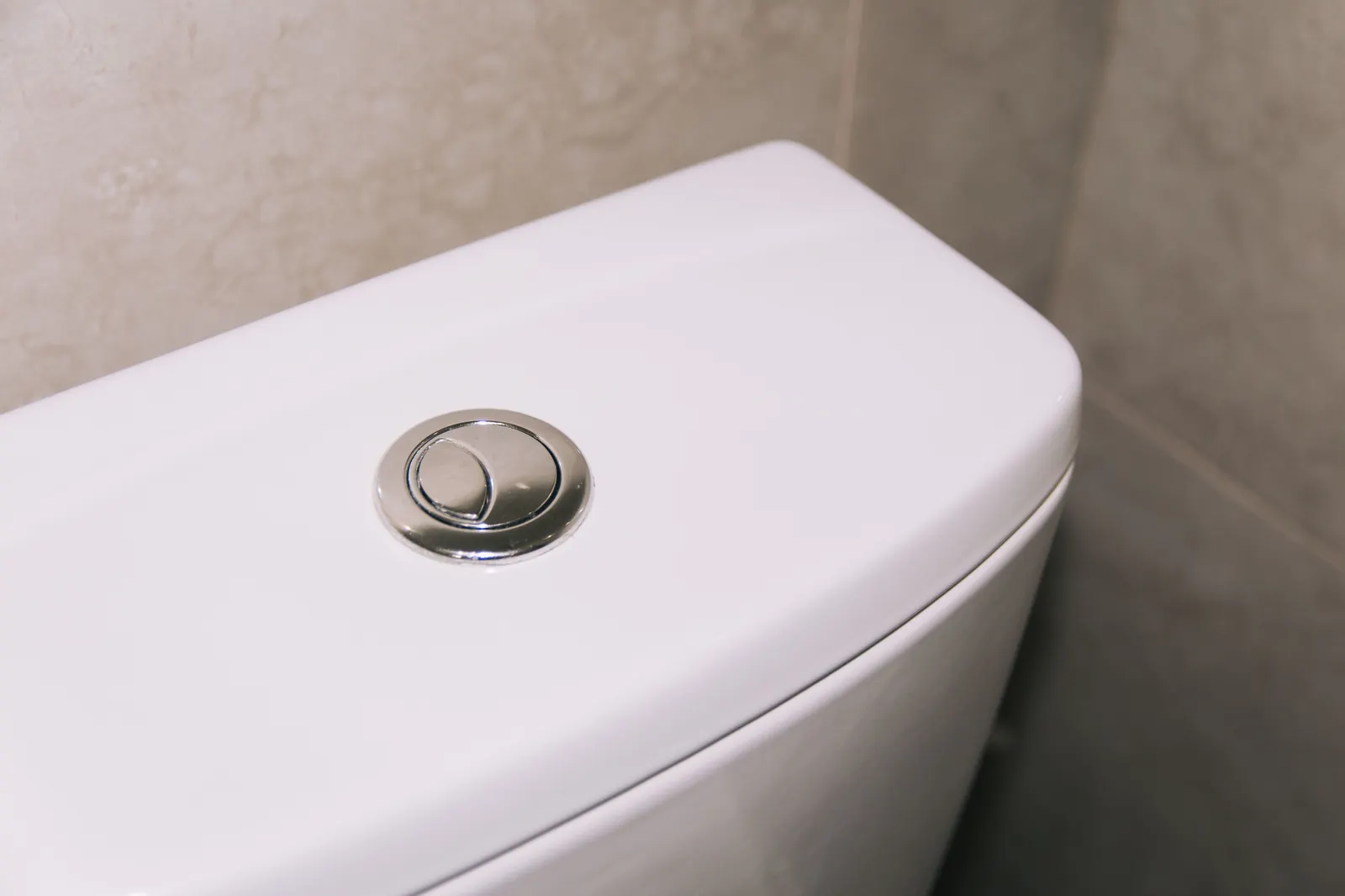
Most toilet repair call-outs come down to a failed fill valve, a worn flush valve seal or perished cistern-to-pan washers. First close the small isolation valve on the cistern feed, then flush to empty it. We send someone day or night to find which part has gone and replace it. The £60 call-out gets an engineer to you.
What the visit covers
- Fill valves that will not shut off and keep running
- Flush valve and siphon seals letting water into the pan
- Leaks from cistern bolts, the inlet connection and the overflow
- Buttons and levers that no longer flush properly
- Concealed cisterns reached through the flush plate
Where is the toilet leaking from?
Where the water goes tells you which part has failed. Lift the cistern lid and look at the water level against the overflow tube or the mark on the valve. If the water is above it and trickling down the overflow, the fill valve is not shutting off. If the level is below the overflow but you can still see a ripple of water running down the back of the pan, the flush valve or siphon seal at the bottom of the cistern is letting it through. Our guide to a toilet that keeps running walks through this check.
Water on the floor is the third route, and it matters most. Wipe everything dry and put a sheet of toilet paper under each point. Drips from the cistern bolts, from the inlet connection or from the joint between cistern and pan mean clean water from the cistern. Water only after a flush, around the back of the pan, points at the pan connector, and that is waste water, so treat it as unhygienic. Our guide on a toilet pan connector leaking covers that one.
A drop of food colouring in the cistern is a quick test. If colour shows in the pan within half an hour without flushing, the flush valve seal is leaking.
What we do on the visit
For a running toilet, the engineer replaces the fill valve or, on a flush valve, its seal or the whole valve. Most modern cisterns use push-button drop valves from makers such as Siamp, Fluidmaster, Thomas Dudley or Wirquin, and the seal on the bottom is often available on its own. Older lever cisterns use a siphon with a plastic diaphragm, which wears and makes the flush weak or intermittent.
For leaks at the base of a close-coupled cistern, the cistern is drained and lifted so the bolts, rubber washers and the large doughnut seal between cistern and pan can be renewed. For a concealed cistern, the flush plate comes off and the valves are reached through the opening, which is why we ask for the make, often printed on the plate or behind it. Geberit, for example, designs its concealed cisterns so the valves come out through that opening without breaking tiles.
What does a toilet repair usually cost?
In market terms, a fill valve or flush valve seal is an inexpensive part, and the job is mostly labour and a short visit. Replacing the cistern-to-pan seal and bolts takes longer because the cistern has to come off. Concealed cistern repairs cost more when the part is specific to the make, and a cracked cistern or pan means replacing the item rather than repairing it.
With us the £60 call-out gets an engineer there, and the repair price is agreed on site before any work starts. See what we charge for a call-out for the detail.
When a toilet fault cannot wait
A cistern that trickles into the pan wastes water but does no damage, and can wait once the isolation valve is closed. Call now if the cistern is leaking onto the floor and the valve will not shut it off, if the cistern is overflowing onto the floor, if water from the pan joint is soaking through to a ceiling below, or if it is your only toilet and it will not flush. If the toilet is blocked rather than leaking, see our blocked toilet unblocking service.
How the visit works
Shut the cistern off
We talk you through the isolation valve, usually a slotted screw on the feed pipe.
Trace the water
The engineer checks where water is leaving: the pan, the overflow, or the floor.
Price agreed, then the repair
You approve the figure before any work starts.
Refill and watch
We refill, flush several times and check the water level stops at the mark.
Questions people ask
Why does my toilet keep running after I flush?
Either the fill valve is not shutting off, so water spills into the overflow, or the flush valve seal is not closing, so water leaks into the pan and the fill valve keeps topping it up.
Is a running toilet costly?
On a water meter, yes. A steady trickle into the pan runs all day and night. Close the isolation valve between flushes until it is fixed.
Why does my toilet only flush if I hold the button down?
The flush valve is not lifting fully, often because the button cable or rod has stretched or the valve height is set wrong. It is usually an adjustment or a small part.
Can I tighten the cistern bolts to stop a leak?
A small nip may stop a weep, but ceramic cracks easily. If a gentle turn does not stop it, the rubber washers need replacing with the cistern drained.
Where is the isolation valve for my toilet?
Usually on the pipe feeding the cistern, low on the wall or on the side of the cistern. Turn the slot a quarter turn so it runs across the pipe.