Toilets · 24/7
Blocked Toilet: Emergency Unblocking
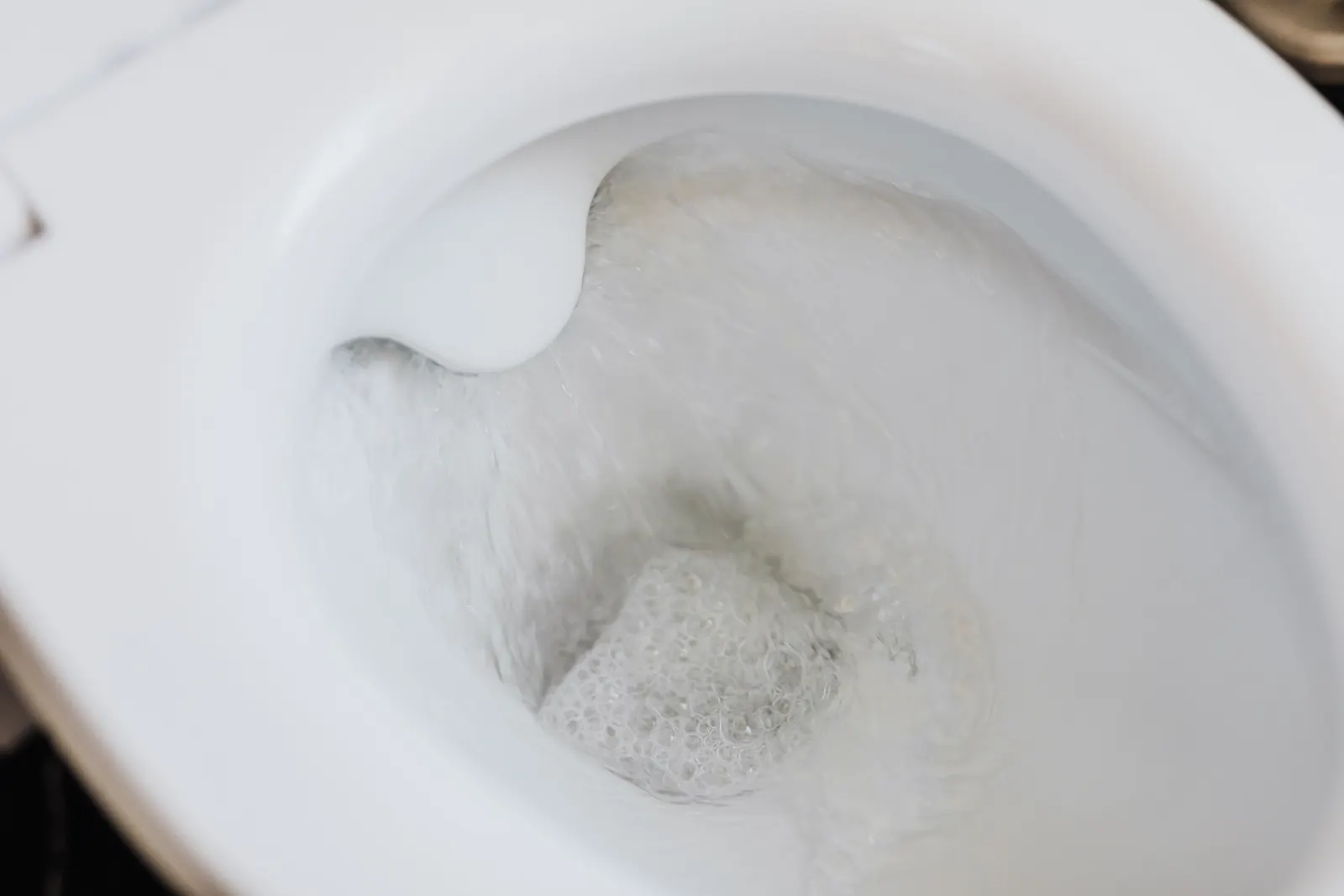
If the toilet is blocked, stop flushing: every flush adds water to a pan that cannot empty. Give it a few firm pushes with a flanged toilet plunger. If the water still sits high, or the bath gurgles when you try, the blockage is past the pan. We clear it day or night, and the £60 call-out gets an engineer to you.
What the visit covers
- Blockages in the pan trap and the pan connector
- Soil stack and branch pipe blockages inside the house
- Finding out whether the blockage is yours or in a shared drain
- Objects dropped into the pan, from toothbrushes to toys
- Macerator (Saniflo-type) toilets that have stopped pumping
Is it the toilet, or the drain behind it?
Where the blockage sits decides who can clear it and how. Watch what happens when you run the bath or the basin on the same floor. If only the toilet is affected, the blockage is almost always in the pan’s own trap, the S-shaped bend moulded into the ceramic, or just past it in the pan connector. That is where wet wipes, cotton buds, sanitary items and too much paper in one flush tend to lodge.
If the bath gurgles when the toilet is flushed, water comes up in a downstairs shower, or a manhole cover outside has lifted with waste around it, the blockage is further down the soil pipe or in the underground drain. A plunger will not reach that. Lift the nearest inspection chamber cover if you can do it safely: if the chamber is full, the problem is at or beyond it.
Do not pour caustic drain cleaner into a blocked pan. It sits in the standing water, will not reach the blockage, and makes the water dangerous for anyone who then has to put a tool into it.
What we do on the visit
The engineer starts with the least invasive tool. A flanged toilet plunger with a proper seal clears most pan-trap blockages. Next is a toilet auger, a short hand-cranked cable with a rubber sleeve that protects the glaze, which reaches through the trap and into the connector. If an object is wedged in the trap, the pan sometimes has to be lifted off so it can be pushed out from behind, then refitted on a new connector.
If the pan is clear but the water still will not drain, we move to the drain chamber and rod from there towards the house. Once it is running, we flush several times and run the other fittings to make sure the whole run is clear. If the cause is a collapsed or badly laid pipe, we tell you, because clearing it tonight will only buy time. For a wider look at the fittings in this part of the house, our toilet repair service covers cisterns and leaks.
What does unblocking a toilet usually cost?
In market terms, clearing a simple pan-trap blockage is one of the shorter plumbing jobs, often under an hour with hand tools. Lifting the pan to recover an object, clearing a soil stack from a rodding eye, or rodding an underground drain from the chamber all take longer, and a blockage that needs a drain camera to find is the most expensive of the four.
With us the £60 call-out gets an engineer there at any hour, and the price for the clearance is agreed on site before any work starts. See our pricing for how the call-out works.
Is the blocked drain yours or the water company’s?
In England, since October 2011, sewers and lateral drains that are shared with neighbours or run outside your property boundary have been the water company’s responsibility. The drain that serves only your home, inside your boundary, is yours. So if the blockage is in a chamber that also takes a neighbour’s waste, or is under the pavement, it may be a job for the water company, and our guide to a blocked drain Thames Water will deal with explains how to report it.
When a blocked toilet cannot wait
If you have a second toilet that works, a blocked one can usually wait until morning. It cannot wait if it is the only toilet in the house, if sewage is coming up into a shower, bath or floor gully, or if a manhole outside is overflowing. Contaminated water on a floor needs cleaning with disinfectant and gloves, and anything porous it has soaked should be treated as unhygienic. If the pan is also leaking at its base, our guide to a toilet seal leaking explains what that usually means.
How the visit works
Tell us what the water does
Whether it drains slowly, not at all, or rises in another fitting when you flush.
Find where it is stuck
The engineer checks the pan, the connector and the nearest drain chamber in that order.
Price agreed, then the clearance
You approve the figure before any work starts.
Test with several flushes
We flush and run other fittings to prove the whole run is clear before leaving.
Questions people ask
Will a blocked toilet unblock itself?
Paper sometimes softens and clears overnight. Wet wipes, sanitary items and solid objects do not break down, so if the water level has not dropped after a few hours, it will not clear on its own.
Can I use a sink plunger on a toilet?
It rarely seals in the pan outlet. A flanged toilet plunger, with the extra rubber lip that fits into the outlet, pushes water through the trap far more effectively.
Why does my toilet bubble when I run the bath?
Air is being pushed back through the pan because the pipe or drain downstream is partly blocked, or the soil stack is not venting properly. It points to a blockage beyond the toilet itself.
Are "flushable" wipes safe to flush?
They do not break down in the way toilet paper does, and they are a common cause of pan and drain blockages. Put them in the bin.
Can a macerator toilet be unblocked the same way?
No. Plungers and chemicals can damage the macerator unit. Turn its power off (pull the fuse from its fused spur or switch it off at the consumer unit) and leave the unit to someone who knows that model.