Boiler & heating breakdowns
Boiler Pressure Keeps Dropping: The 6 Usual Causes
Published
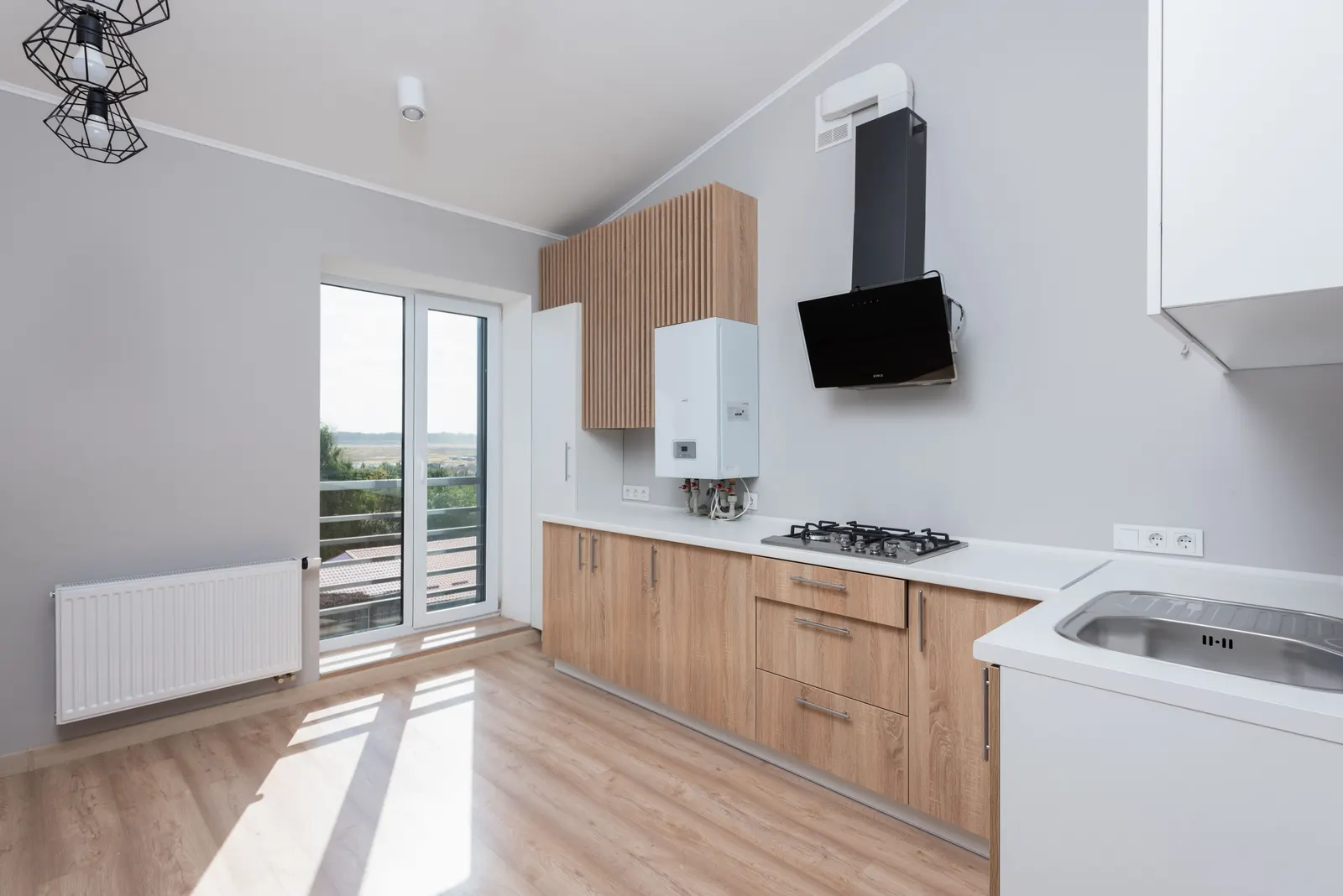
Boiler pressure drops when water or trapped air leaves a sealed system. The six usual causes are a weeping radiator valve or joint, a pressure relief valve that no longer seals, a flat expansion vessel, air released after bleeding, a hidden leak under a floor, and a leak inside the boiler itself. The speed of the drop tells you where to look.
Why would boiler pressure drop at all?
A combi or system boiler runs on a sealed circuit. Once it is filled to 1 to 1.5 bar and the filling loop is closed, no water should come in or go out. So a falling gauge always means one of two things: water is escaping somewhere, or air that was taking up space in the system has been let out.
Before chasing causes, note how quickly it falls. Top the system up to 1.5 bar cold, write the time down, and check the gauge at the same time each day with the heating on its usual timings.
- Drops once after bleeding radiators, then holds: air, not a fault
- Drops slowly, over a week or more: a small weep at a valve or joint
- Drops to below 1 bar within a day or two: a relief valve passing or a hidden leak
- Swings high when hot, then lower each morning: a flat expansion vessel driving the relief valve
The six causes, most likely first
Cause 1: a weeping radiator valve or pipe joint. Radiator valves are the weakest points on most systems. The gland nut under the valve head, the union nut where the valve meets the radiator, and old compression fittings under floors and behind kitchen units all weep. Run a dry tissue around each one. A brown crust or green staining on copper marks a slow leak even when it looks dry, because warm water evaporates as fast as it seeps.
Cause 2: the pressure relief valve no longer seals. This valve opens at 3 bar and discharges through a copper pipe that usually ends outside the wall. Once it has opened a few times, grit on the seat can stop it closing fully. Look at the end of that pipe outside, and hold a dry tissue at its mouth. A damp tissue or a limescale stain on the wall below means water is going out that way.
Cause 3: the expansion vessel has lost its charge. This one confuses people because the root fault is pressure going too high. With no air cushion left, the pressure climbs to 3 bar every time the heating runs, the relief valve dumps water, and the next morning the cold reading is lower. Top it up, and the cycle repeats. If you see the needle near 3 bar when hot, read our page on boiler pressure too high as well.
Cause 4: air let out when radiators were bled. Bleeding radiators lets air out of the system, and water takes its place, so the pressure falls. That is expected. Top it back to 1 to 1.5 bar and, if it then holds for a week, there was never a fault.
Cause 5: a hidden leak under a floor or in a wall. Heating pipes run under floorboards and inside screed, and a pinhole there can lose water for months before a stain appears. Signs are a damp patch on a ceiling below a radiator, a warm spot on a solid floor, or a musty smell under a suspended floor.
Cause 6: a leak inside the boiler. Pump seals, the automatic air vent, internal pipe joints and the heat exchanger can all leak inside the casing. Water may drip from the bottom of the boiler, in which case switch it off and catch the water first, or it may evaporate on hot parts and never show. This is engineer territory.
What you can safely check yourself
Everything here is outside the boiler casing. Give it twenty minutes and you will usually know whether the problem is in the house or at the boiler.
- The copper relief pipe outside the wall, with a dry tissue at the end
- Every radiator valve and visible joint, with a dry tissue and a torch
- Ceilings under upstairs radiators, and the floor under the boiler
- The gauge reading hot versus cold, to spot a flat expansion vessel
- The filling loop, closed tight, so you know you are not topping up without realising
Do not open the boiler casing, and do not twist the relief valve to test it. If you smell gas at any point, open up the windows, shut the meter valve if you can do so safely, touch no switches, and call the National Gas Emergency Service on 0800 111 999 from outside.
How to top up while you wait for a repair
Topping up the boiler is fine as a stopgap. With the system cold, open the filling loop valves slowly and watch the gauge. Close them at 1.2 to 1.5 bar, not higher. Overfilling makes things worse if the expansion vessel or relief valve is the cause, because it brings the 3 bar limit closer.
On a braided hose loop, disconnect one end once you have finished. Leaving it connected is the reason many systems slowly overfill, and guidance under the Water Supply (Water Fittings) Regulations 1999 treats a filling loop as a temporary connection to be disconnected after use. If your filling loop will not let any water in, see boiler filling loop not working.
If you are topping up more than once a week, stop relying on it. Fresh mains water brings in oxygen, which speeds up corrosion and sludge inside the radiators and boiler, and every top-up dilutes the corrosion inhibitor in the system.
What an engineer does and what it costs
On a boiler pressure repair visit the engineer works through the same list faster, with the tools to go further. They check the relief valve discharge, then drain the boiler to zero and test the expansion vessel charge with a gauge. If the vessel and relief valve are sound and the pipework looks dry, they close the flow and return valves under the boiler and watch its gauge. If the boiler holds pressure while isolated, the loss is out in the pipework; if it still drops, the leak is inside the boiler. That tells them whether to open the casing or start lifting floorboards. Gas work is carried out by Gas Safe registered engineers.
The £60 call-out gets an engineer to you at any hour, and the repair price is agreed with you on site before any work starts. See our prices. As typical UK market ranges, parts and labour together, a pressure relief valve runs about £90 to £200 and an expansion vessel about £150 to £350. A radiator valve or joint is often less than either. A leak under a solid floor costs more, because the cost is mostly in finding and reaching it.
Questions people ask
Why does my boiler pressure drop overnight?
If it drops overnight with the heating off, water is escaping even when the system is cold, which points to a passing relief valve or a leak. If it only drops after the heating has run, a flat expansion vessel making the relief valve discharge is the likely cause.
Is it dangerous if my boiler pressure keeps dropping?
Low pressure itself is not dangerous. Once it falls to around 0.5 bar or lower, most boilers lock out and stop heating. The risk is the leak behind it, which can damage ceilings and floors, and water dripping near electrics.
How often should I need to top up my boiler?
Rarely. Once after bleeding radiators is normal. More than every few weeks points to a fault, and more than once a week means the system is losing water steadily.
Can a boiler lose pressure without a leak?
Only through air being released, usually after bleeding. Otherwise the water is going somewhere, even if you cannot see it. Our guide to a boiler losing pressure with no visible leak covers where it usually goes.