Boiler fault codes
Vaillant F75 Fault Code: No Pressure Rise When the Pump Starts
Published
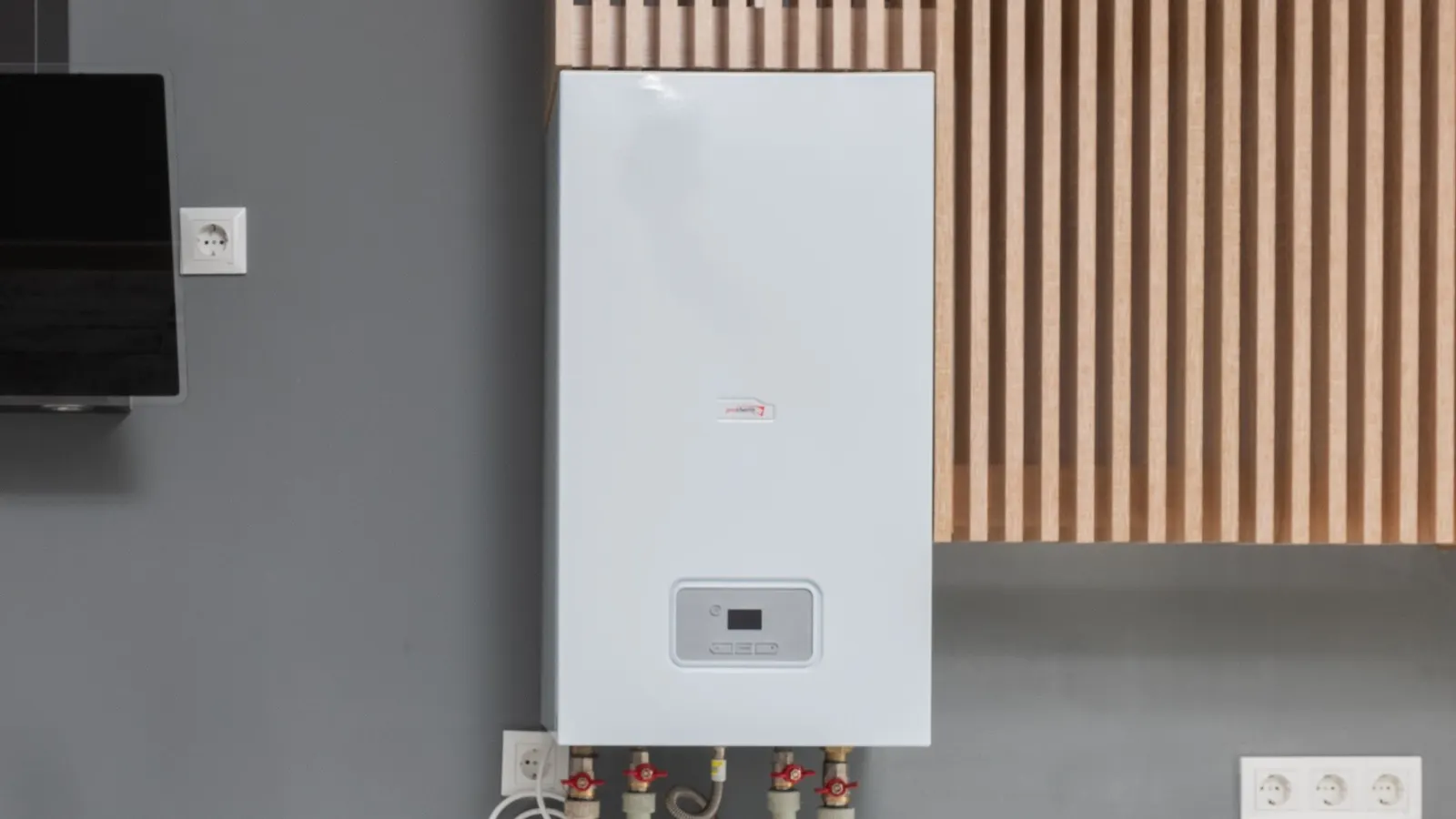
Vaillant display
F75
What it means
F.75 means the boiler switched its pump on and the water pressure sensor did not register the small pressure rise it expects. Low pressure, trapped air, a failing pump or a faulty pressure sensor are the usual causes.
Safe to check yourself
- Read the pressure on the display or gauge with the heating off; it should sit between 1 and 1.5 bar
- If it is below 1 bar, top up slowly with the filling loop until it reaches 1 to 1.5 bar
- Bleed any radiators that are cold at the top, then re-check the pressure
- Press the reset button once after the pressure is correct
Call an engineer if
- F.75 returns after the pressure is correct and you have reset once
- The pressure keeps dropping and you have to top up more than once a week
- The boiler makes a loud grinding, gurgling or humming noise from inside when F.75 appears
- You smell gas: ventilate, turn off at the meter if it is safe, leave switches alone, get out and call 0800 111 999 first
Vaillant fault code F75 means that when the boiler started its pump, the water pressure sensor saw no pressure rise. The commonest cause is low system pressure or air in the system; less often it is a worn pump or a failed pressure sensor. Top up to 1 to 1.5 bar, bleed the radiators and reset once.
Why does my Vaillant show F75?
When the internal pump starts, the pressure in the boiler should rise slightly. The water pressure sensor watches for that rise as proof that the pump is moving water. If nothing changes, the boiler assumes the water is not circulating and stops before the burner can overheat the heat exchanger.
Vaillant lists the possible causes as system pressure below the normal range of 1 to 1.5 bar, air in the boiler or heating system, a defective water pressure sensor, a defective internal pump or an open circuit in the cable harness. A sticking automatic air vent on the pump, which should let trapped air escape, can also keep air in the boiler after a refill.
One oddity if you look it up: Vaillant's online fault list words F.75 as the pressure change being too low when the "heat pump" starts, yet its listed causes name the internal heating pump. On a gas boiler such as an ecoTEC, the code is about that internal circulating pump.
What to check first, in this order
Work through these with the heating switched off. Every step is outside the casing.
- Pressure: with the system cold, the reading should be 1 to 1.5 bar. Below 1 bar is the most likely reason for F.75.
- Top up: open the filling loop slowly and close it as soon as you reach the right figure. Our guide to Vaillant boiler pressure shows where the loop is on combi and system models.
- Air: if F.75 appeared after the system was drained, a radiator was changed or you have just topped up, bleed the radiators from the downstairs ones upward, then top up again because bleeding lowers the pressure.
- Reset: press reset once. If the boiler fires and holds, keep an eye on the pressure over the next few days.
Do not open the boiler casing to reach the pump or its air vent. On an ecoTEC they sit next to live electrics and gas components, and that work belongs to a qualified engineer.
F75 keeps coming back: what that tells you
If the pressure is correct and F.75 returns, the fault has moved from something you can fix to a part. A pressure that falls again within days points to a leak or a failing expansion vessel, and our page on a boiler losing pressure with no visible leak explains how to narrow that down.
If the pressure holds but the code still returns, the pump or the pressure sensor is the likely culprit. Pumps often wear out early on systems that carry a lot of black sludge, so an engineer may recommend cleaning the system and fitting or emptying a magnetic filter to protect the new part. A loud hum or grinding from the boiler as it tries to start is a strong hint that the pump is struggling.
What the engineer does and typical costs
An engineer will confirm the pressure with a separate gauge, check the pump runs and is not seized, test the pressure sensor reading against the gauge and look for air trapped in the boiler. That sequence tells them which of Vaillant's causes applies.
The water pressure sensor used on many ecoTEC plus models is one of the cheaper parts on the boiler, usually well below the cost of a pump, before labour. A pump or pump head costs more, and a sludge-affected system may need cleaning as well. For a repair tonight, Vaillant boiler repair runs 24/7 across London and inside the M25 for the £60 call-out, with the repair price agreed on site before any work starts. Gas work is carried out by Gas Safe registered engineers.
Questions people ask
Is F75 the same as low pressure on a Vaillant?
Not exactly. Low pressure is the most common cause, but F.75 is specifically about the pump start. If the gauge reads zero, see our guide to boiler pressure at zero, because that points to a leak or a drained system.
Can I still get hot water with F75?
No. The boiler locks out and will not fire for heating or hot water until the fault is cleared. An immersion heater, if you have a cylinder with one, can cover hot water in the meantime.
Does F75 mean my pump has failed?
Not necessarily. Fix the pressure and bleed the air first. A pump is only the likely cause once the pressure is correct and the code still returns.