Boiler fault codes
Vaillant F29 Fault Code: Flame Lost and Would Not Relight
Published
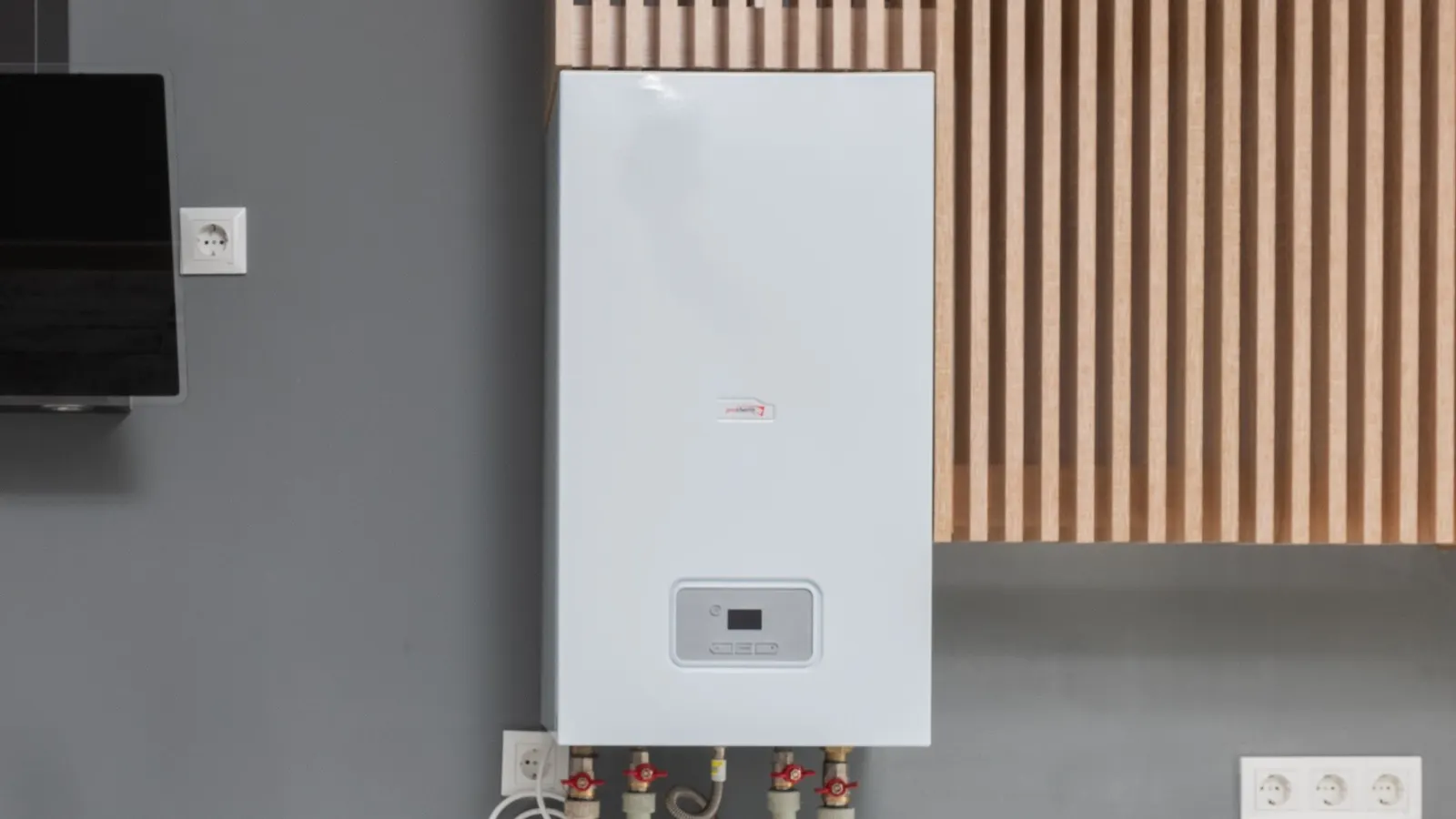
Vaillant display
F29
What it means
The boiler was running, lost its flame, and the attempt to relight failed. Vaillant describes it as unsuccessful ignition following a flame loss during operation.
Safe to check yourself
- Check whether other gas appliances still work, and whether the hob flame dropped at the same moment
- On a prepayment meter, check it has not run out of credit mid-use
- Look at the condensate pipe outside for ice or a blockage, and thaw frozen sections with warm water
- Look at the flue terminal outside for anything newly placed close to it, such as a bin store, fence panel or snow build-up
- Reset once or twice; if F29 returns, stop
Call an engineer if
- F29 comes back after two resets with gas and condensate pipe confirmed fine
- It happens repeatedly on windy days or only when the boiler is working hard
- You notice fumes, soot or staining around the flue outside
- You smell gas: open the windows, turn the meter off if you safely can, do not use switches, and call 0800 111 999 from outside
F29 on a Vaillant means the boiler was running, lost its flame and could not relight, so it locked out. The commonest causes are the gas supply dropping out, a frozen or blocked condensate pipe, or exhaust being drawn back into the boiler. Check the gas and condensate pipe, reset once or twice, then call an engineer.
What does F29 mean on a Vaillant boiler?
Your boiler watches the flame the whole time it runs. If the flame goes out, it tries to relight straight away. F.29 appears when that relight fails. It is different from F28, which means the boiler never lit in the first place. With F29 the ignition system worked at least once, so the cause is often something that interrupts a running flame.
Vaillant’s installer manual lists five causes for F.29: the gas supply stopping temporarily, flue gas recirculation, a blocked condensate route, poor earthing of the boiler, and the ignition transformer failing to spark. Vaillant’s owner fault code page adds the flame sensing electrode touching the burner. The first three have outside signs you can look for.
Things you can check safely
Go through these in order before pressing reset. Stay outside the boiler casing: nothing inside it is a householder job.
- Gas supply: light the hob. If it will not light, or the flame is weak, the supply is the problem. A prepayment meter that runs out while the boiler is firing produces exactly this code.
- Condensate pipe: a frozen or partly blocked pipe lets water build up while the boiler is running, which can put the flame out. Vaillant specifically tells owners to check outdoor condensate pipes for ice when F28 or F29 appear in cold weather. Use warm water, never boiling.
- Flue terminal: the flue on the outside wall pushes exhaust out and pulls fresh air in. If exhaust is being sucked back in, the flame starves. Look for something new near the terminal, such as a fence, a shed, a wheelie bin store or drifted snow.
- Reset: on the current ecoTEC plus, press and hold the reset button for four or five seconds (a shorter press only toggles standby); older models need about one second. If F29 comes back within the day, leave it off.
A smell of gas, or of exhaust fumes indoors, is not an F29 check. Open windows, turn off the gas at the meter if safe, avoid switches, leave the property, call 0800 111 999, and get medical advice if anyone has headaches, dizziness or nausea.
Why F29 keeps coming back
If F29 only appears on windy days, recirculation is the likely cause. Wind can push exhaust back towards the terminal, especially where the flue sits in a corner or under a balcony. The fix may be a plume management kit or a change to the flue route, which an engineer must design to the manufacturer’s instructions.
If it appears during long hot water draws or heating up from cold, the condensate route is often at fault, with water building up faster than it drains. A partly blocked condensate trap inside the boiler gives the same pattern.
Where none of that fits, the engineer looks at the ignition parts and the earth. A poor earth can upset the flame sensing signal, so mention it if you have had electrical work done in the property recently.
What the engineer checks
Expect the engineer to read the fault history first, because the pattern of F29 against F28 narrows things quickly. They then test the gas pressure at the boiler while it runs at full rate, inspect the flue terminal and flue joints, clean or replace the condensate trap, check the electrode and its gap from the burner, and run a combustion test with a flue gas analyser.
Gas work is carried out by Gas Safe registered engineers. The visit starts with the £60 call-out, and the repair price is agreed with you on site before any work starts. Our Vaillant boiler repair service covers the rest of the ecoTEC range.
Questions people ask
What is the difference between F28 and F29 on a Vaillant?
F28 means the boiler failed to light on start-up. F29 means it lit, lost the flame while running, and could not relight. Both share gas supply and condensate causes, but F29 also points at flue recirculation and earthing.
Can a frozen condensate pipe cause F29?
Yes. Vaillant lists a blocked condensate route as a cause and tells owners to check outdoor condensate pipes for ice. Thaw it with warm water, then reset the boiler.
Is it safe to keep resetting F29?
A reset or two after checking the gas and condensate pipe is fine. Repeated resets without finding the cause are not, because recirculation means exhaust is getting back into the boiler. Leave it off and call an engineer.