Boiler repairs · 24/7
Boiler Losing Pressure Repair
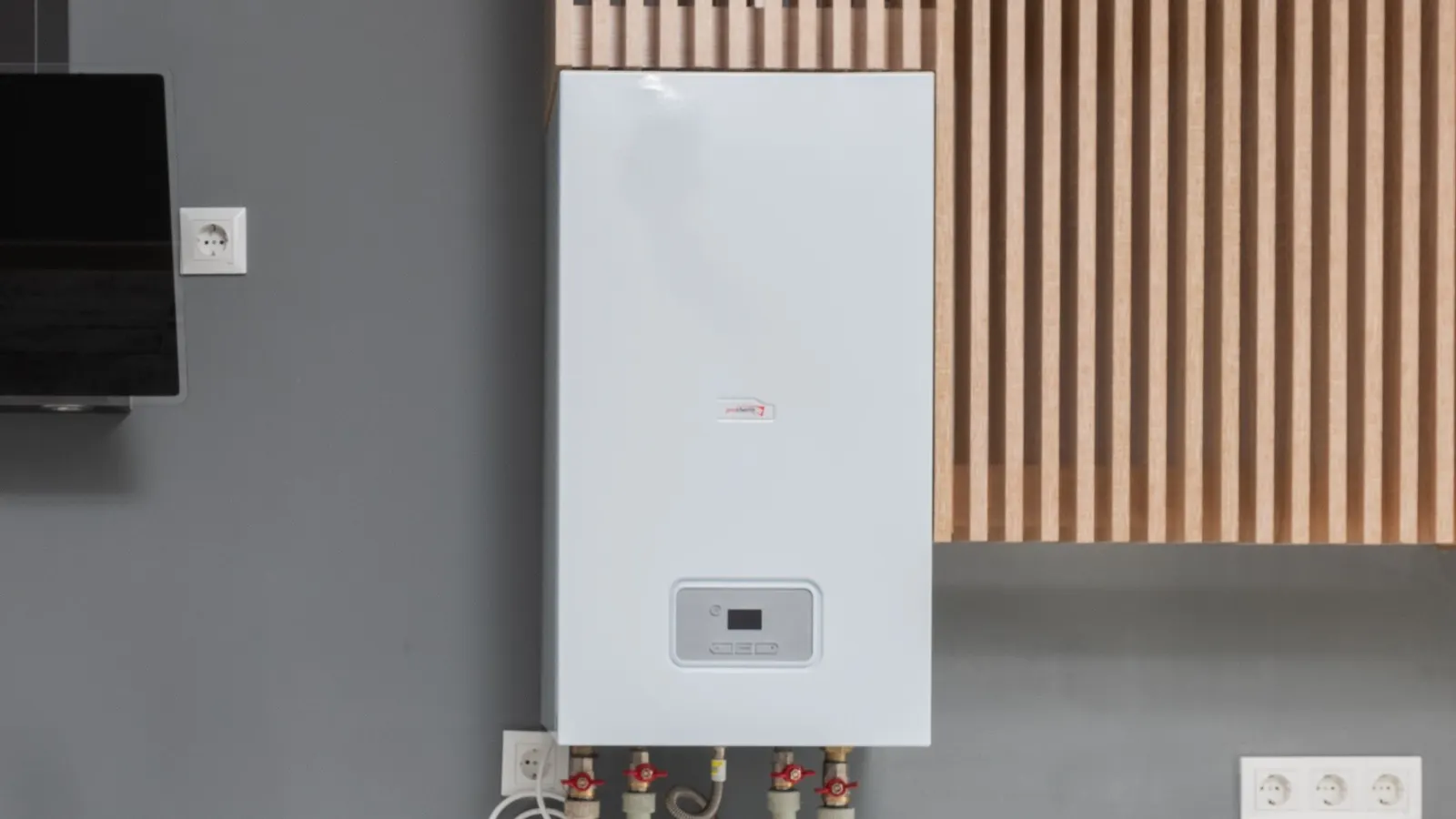
If your boiler keeps losing pressure within days of a top-up, water is escaping or the expansion vessel has failed. If it climbs above 2.5 bar, the filling loop or vessel is usually to blame. An engineer finds which, fixes it and agrees the price first. The £60 call-out covers getting us there, day or night.
What the visit covers
- Tracing where the system water is going
- Expansion vessel recharge or replacement
- Pressure relief valve and filling loop faults
- Pressure that rises too high when the heating runs
- Finding hidden leaks under floors and behind radiators
What should my boiler pressure be?
On most combi and system boilers the gauge should read between 1 and 1.5 bar when the heating is cold. It rises as the water warms and expands, and up to about 2 bar with the heating on is normal. As it falls towards 0.5 bar, most boilers stop and show a low-pressure code, such as F1 on an Ideal combi, though the exact cut-out point varies by make. At 3 bar the pressure relief valve opens and lets water out.
The size of the swing between cold and hot tells an engineer a lot. A rise of a bar or more between cold and hot points at the expansion vessel, not at a leak. Our guide on boiler pressure with the heating on or off explains why.
Why does the pressure keep dropping?
A sealed heating system should hold its pressure for months. If it needs topping up weekly, water is leaving, and the engineer works through the causes in this order:
- The relief valve outlet. Look at the end of the copper pipe where it comes through the outside wall. Drips or a stain on the wall below mean the valve has been opening.
- A failed expansion vessel. With no air cushion, pressure spikes when the heating warms, the relief valve dumps water, then the pressure falls when it cools. The cycle repeats every day.
- Radiator valves and bleed screws. Check under every radiator for rust marks or a damp carpet, and look at radiator repair if you find one.
- Hidden pipework. Pipes under floorboards or in a screed floor can leak for weeks without showing. The engineer may isolate zones to narrow it down.
- Recent bleeding. Bleeding radiators lets water out as well as air, so a drop straight afterwards is normal and just needs one top-up through the filling loop.
If topping up is part of your weekly routine, stop and get it looked at. Constant fresh water brings in oxygen, which speeds up corrosion inside radiators and the heat exchanger.
Why is my boiler pressure too high?
Pressure that creeps up with the heating off usually means the filling loop is letting mains water through. Check that both taps on the loop are fully closed. If they are and the needle still rises, one of the valves is passing, or on some combis the plate heat exchanger has failed internally and mains water is getting into the heating side.
Pressure that only jumps when the heating runs is the expansion vessel again. You can drop an overfilled system by bleeding a radiator into a cloth, as in how to reduce boiler pressure, but that treats the reading, not the cause.
How much does it cost to fix a boiler losing pressure?
Typical UK market ranges in 2026: recharging an expansion vessel runs around £80 to £180, and replacing one £180 to £450, more where the vessel sits behind the boiler and the whole unit has to come off the wall. A new pressure relief valve is usually £80 to £200 fitted. A replacement filling loop is one of the cheapest fixes. Tracing a leak under the floor is priced by the time and access it needs.
These are market figures, not our price. The repair price is agreed with you on site before any work starts. Gas work is carried out by Gas Safe registered engineers.
How the visit works
Tell us the readings
What the gauge shows cold, what it shows hot, and how quickly it falls after a top-up.
Test the vessel and valves
The engineer checks the expansion vessel charge, the relief valve and the filling loop before hunting for leaks.
Price agreed, then the repair
You approve the figure before any work starts.
Watched under heat
The system is run up to temperature so you both see the gauge stay in the right band.
Questions people ask
Is low boiler pressure dangerous?
No. Low pressure is a safety cut-out, not a hazard: the boiler simply stops. The problem is no heating or hot water, and whatever leak caused it. See is low boiler pressure dangerous.
Why does my boiler lose pressure but there is no leak?
The water is usually leaving through the relief valve pipe outside, which few people check, or through a leak hidden under a floor. A failed expansion vessel is the common root cause of the first.
How often should I need to top up my boiler?
Once or twice a year at most, usually after bleeding radiators. More often than that means something needs fixing.
Can I recharge the expansion vessel myself?
On most combis the vessel sits inside the casing, and the heating side has to be drained to zero pressure to set the charge correctly. That is an engineer job. Pumping air in with the system full gives a false reading.
My boiler pressure is at 3 bar. What should I do?
Turn the heating off and check the filling loop taps are closed. If water is running from the relief pipe outside, the valve is doing its job. Leave the boiler off and book a repair.