Boiler & heating breakdowns
Boiler & Heating Breakdowns
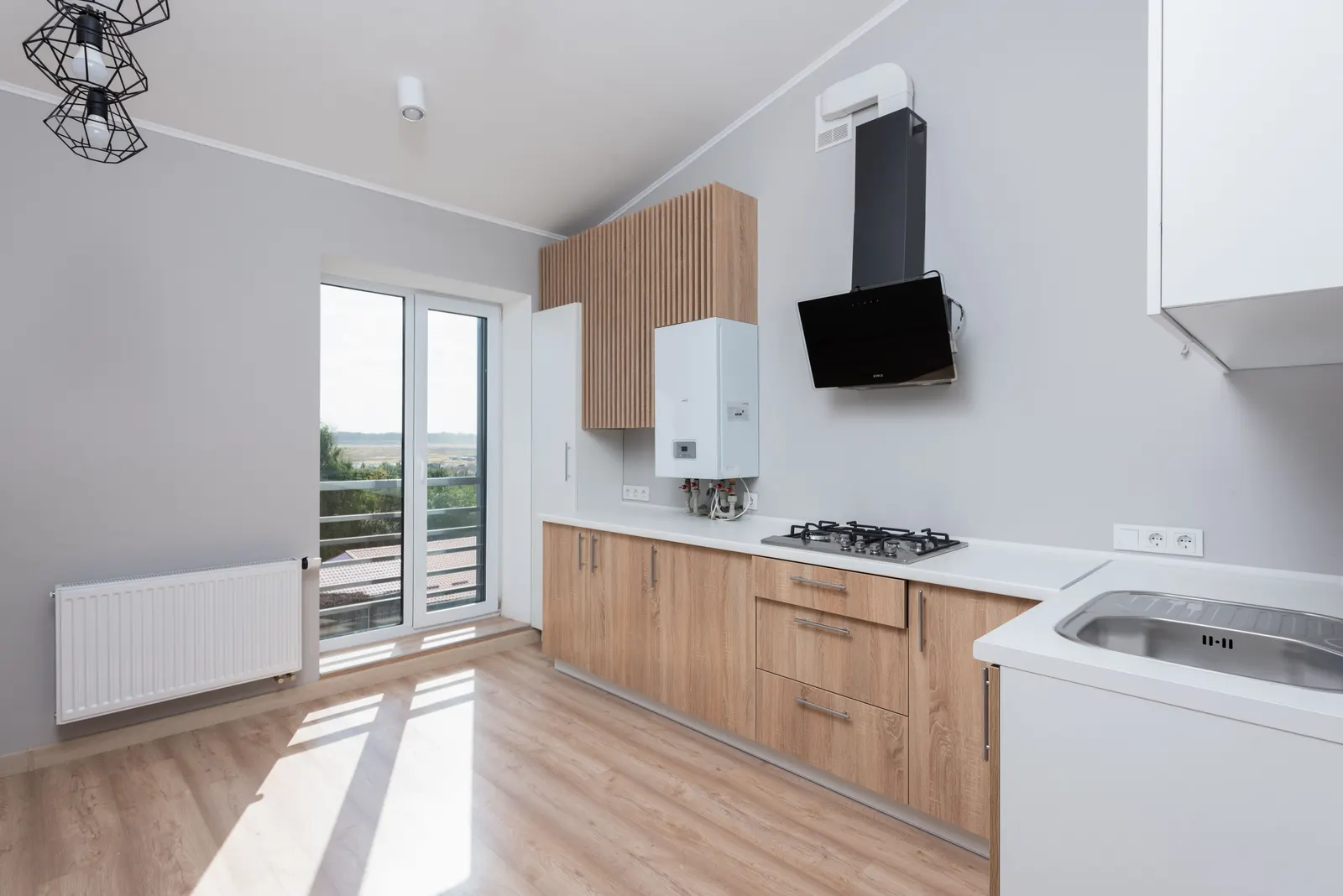
After a boiler breakdown, start with what the boiler is telling you. A code or flashing light points to a specific fault, a gauge below 1 bar points to pressure, and a boiler with no lights at all is usually a power problem at the fused spur. Find your symptom below, do the safe checks, and stop there.
Check these three things before anything else
Look at the pressure gauge on the front. With the heating cold, most combi boilers want roughly 1 to 1.5 bar. Somewhere around 0.5 bar or lower, most lock out on purpose, which is covered in why boiler pressure keeps dropping.
Next, the display. Write down any code before you press reset, then press it once only. A reset clears the screen, not the cause, and some boilers stop accepting resets after a few attempts. If you have a code, the fault codes by brand section explains it.
In a cold snap, check the white or grey plastic condensate pipe where it leaves the wall outside. A frozen one stops a condensing boiler firing. Pouring warm, not boiling, water along it is a safe householder fix.
If you smell gas, open windows, turn off the gas at the meter if you can reach it safely, do not use light switches, then leave and call the National Gas Emergency Service on 0800 111 999. Nothing inside the boiler casing is a DIY job.
Boiler leaking or losing pressure
First find where the water comes from. A drip from the short copper pipe that runs from the boiler through the outside wall is usually the pressure relief valve letting off excess pressure, which still needs looking at, see relief valve leaking. A leak from inside the casing is an engineer job, and is a leaking boiler dangerous explains when to switch it off at the fused spur.
Pressure that falls every day with no visible water usually means a slow leak under a floor or a failing expansion vessel. Topping up keeps you warm for a night, it does not fix anything.
Boiler will not fire, keeps turning off or makes noise
An ignition lockout means the boiler tried to light several times and gave up. Start with boiler not firing up: gas to the hob, prepayment meter credit and the condensate pipe come first.
Banging, kettling and whistling usually point to limescale on the heat exchanger, a sticking pump or air in the system. Our guide to a boiler making a loud noise sorts the harmless sounds from the ones that need the boiler off now.
If the boiler runs but one room stays cold, the fault is often in the radiator, not the boiler. Work through radiator not heating up in order before calling anyone.
When it cannot wait until morning
Water coming from inside the casing, a burning smell, sooty marks around the case or a boiler that trips the electrics all mean switch off and get help. A carbon monoxide alarm means open windows, turn the boiler off, get everyone outside and call 0800 111 999 first, then get medical advice. No heat in freezing weather is urgent too when there is a baby, an elderly person or someone unwell in the house.
An emergency boiler repair visit is the £60 call-out at any hour, and the repair price is agreed with you on site before any work starts. Gas work is carried out by Gas Safe registered engineers.
Emergency repairs
- Emergency Boiler Repair London
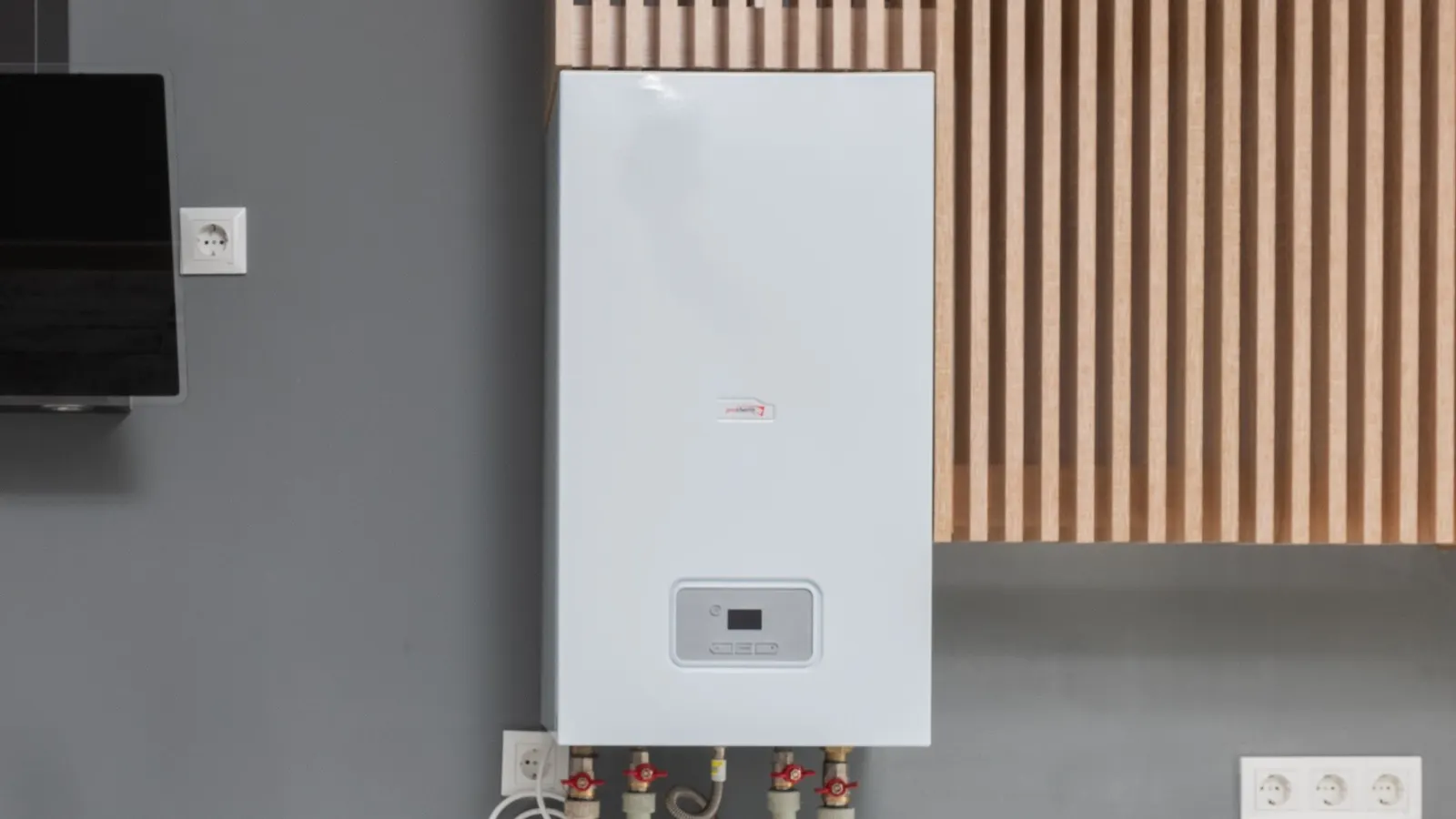 Boiler Repair London
- Leaking Boiler Repair
- Boiler Losing Pressure Repair
- Worcester Bosch Boiler Repair: An Engineer Out Day or Night
- Vaillant Boiler Repair: An Engineer Out Day or Night
- Baxi Boiler Repair
- Ideal Boiler Repair: An Engineer Out Day or Night
- Glow-worm Boiler Repair: Getting an Engineer Out
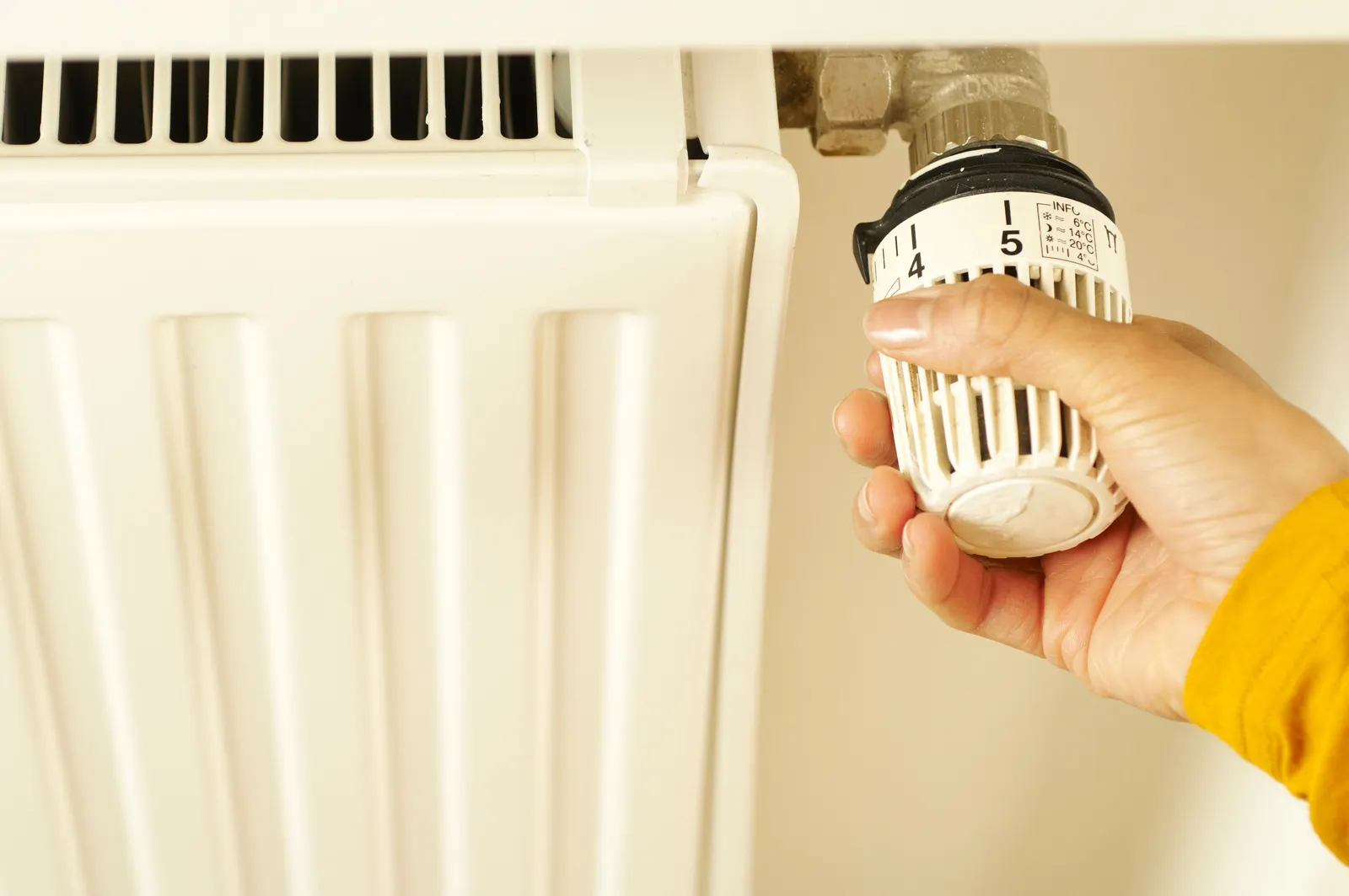 Central Heating Repair for Cold Radiators
Guides
- Baxi Boiler Flashing Red Light
- Baxi Boiler Pressure: Normal Range and How to Fix It
- Baxi Boiler Radiator Symbol Flashing
- Bleed Radiators With the Heating On or Off?
- Boiler Making a Banging Noise
- Boiler Breakdown at Night: What You Can Safely Do Until Morning
- Boiler Broke Down in Winter With Children or Elderly at Home
- Condensate Pipe Leaking: Boiler Still Safe to Use?
- Boiler Expansion Vessel: Signs It Has Lost Its Charge and What to Do
- Boiler Filling Loop Not Working
- Water Leaking From the Boiler Flue
- Boiler Gurgling or Bubbling Noise
- Radiators Hot but Hot Water Cylinder Cold: System and Regular Boilers
- Boiler Humming Noise
- Boiler Ignition Lockout: Why It Happens and How to Reset
- Boiler Keeps Turning Off: 7 Reasons
- Why Is My Boiler Leaking Water From Underneath?
- Boiler Leaking Water: What to Do in the Next 10 Minutes
- Boiler Display or Light Not On: Power, Fuse or Fault?
- Boiler Losing Pressure Every Day: How Worried to Be
- Boiler Losing Pressure but No Visible Leak
- Boiler Making a Loud Noise: What Each Sound Means
- Boiler Sounds Like an Aeroplane Taking Off
- Boiler Making Noise When It Is Not in Use
- Boiler Not Firing Up: Causes and Fixes
- Boiler Working but Radiators Stay Cold
- Boiler Not Working? A 10-Point Check Before You Call
- Boiler Overflow Pipe Dripping Outside: What It Means
- Boiler Pilot Light Keeps Going Out
- Pipes Under the Boiler Leaking: Which One Is It?
- Boiler Pressure With Heating On vs Off: The Normal Range
- Boiler Pressure Keeps Dropping: The 6 Usual Causes
- Boiler Pressure Keeps Going Up When the Heating Is On
- Boiler Pressure Relief Valve Leaking: Causes and Fixes
- Boiler Pressure Too High: Causes and What to Do
- Boiler Pressure at Zero: Can You Still Use It?
- Boiler Pump Noise: Worn Pump or Air?
- Boiler Thermostat Not Working: Is It the Stat or the Boiler?
- Boiler Making a Loud Vibrating Noise: Is It Dangerous?
- Whistling Noise From the Boiler
- Central Heating Leak Sealer: Does It Work?
- Combi Boiler Pressure: Why It Matters More Than You Think
- How Much Does an Emergency Boiler Repair Cost?
- Glow-worm Boiler Pressure Problems
- How a Thermostatic Radiator Valve Works
- How to Drain a Central Heating System
- How to Reduce Boiler Pressure Safely (Step by Step)
- How to Repressurise a Boiler (Any Make): Find Your Filling Loop First
- How to Reset a Baxi Boiler (and When Not To)
- How to Increase Worcester Boiler Pressure Without the Key
- Is a Leaking Boiler Dangerous? When to Switch It Off
- Is Low Boiler Pressure Dangerous?
- Leaking Boiler Repair Cost: What Each Fix Typically Costs
- How to Lower Boiler Pressure Without Bleeding Radiators
- One Radiator Not Working When the Rest Are Hot
- Power Flush Cost After a Breakdown: When It Is Worth It
- Noisy Radiators: Ticking, Banging and Gurgling
- Radiator Not Heating Up: The Fix in Order
- Repair or Replace a Broken Boiler? The Honest Maths
- Thermostatic Radiator Valve Stuck: How to Free It
- Vaillant Boiler Not Turning On
- Vaillant Boiler Pressure: Too Low, Too High, and Topping Up
- How to Reset a Vaillant Boiler
- Worcester Boiler Flashing Blue Light: What It Means
- Worcester Boiler Not Firing Up
- Worcester Boiler Pressure Too Low: How to Top It Up
Questions people ask
Why is my boiler not working when the lights are on?
Lights with no heat usually means a lockout, low pressure or no demand from the thermostat or timer. Check the display for a code, the gauge for 1 to 1.5 bar, and that the thermostat is set above room temperature.
Is it safe to keep resetting my boiler?
Press reset once. If the fault comes straight back, the boiler is protecting itself from something a reset will not cure, and repeated attempts can make diagnosis harder.