Boiler repairs · 24/7
Leaking Boiler Repair
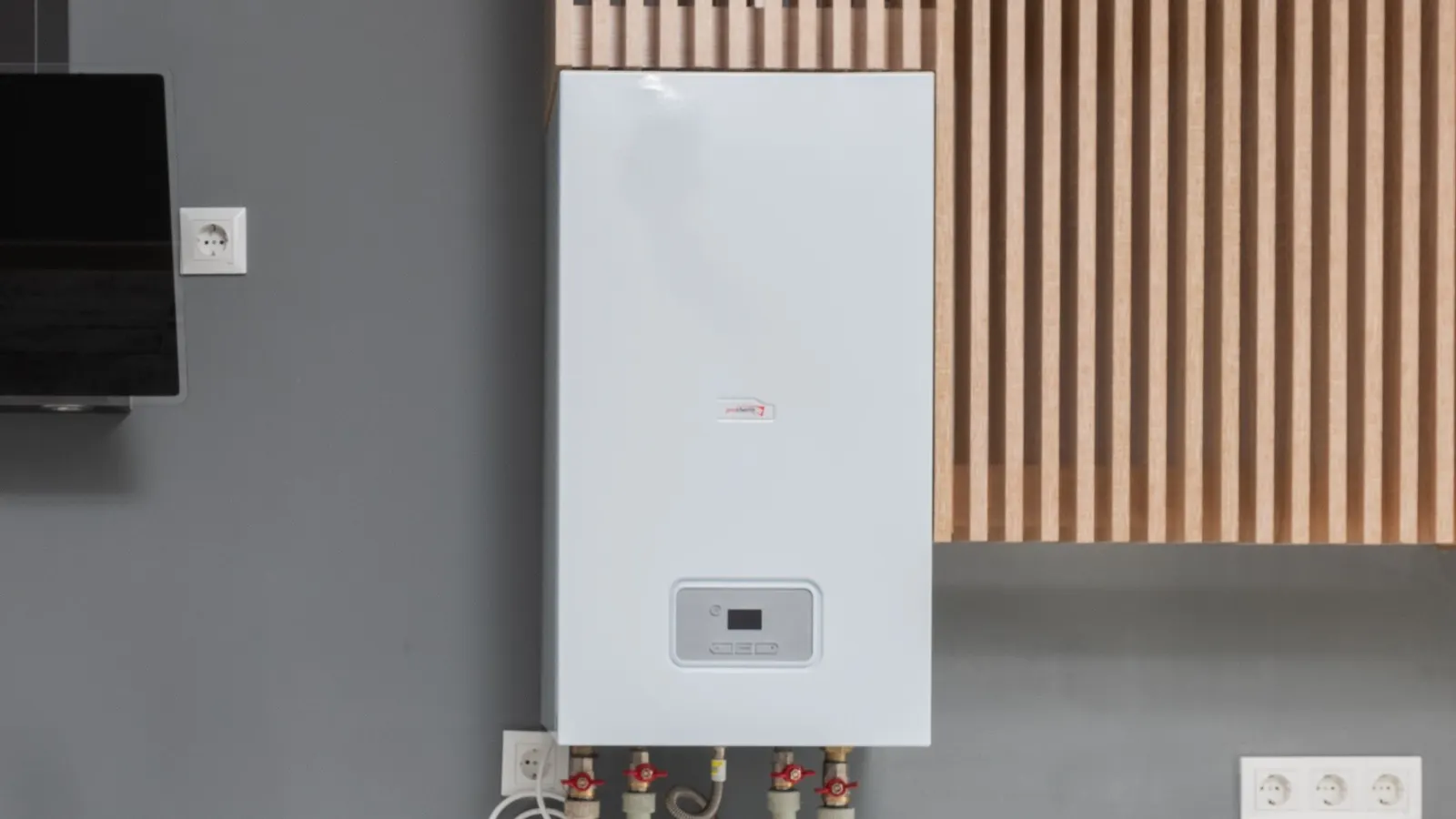
If your boiler is leaking, switch it off at the fused spur first if the spur is dry, then get an engineer to find which part is letting go: most often the pressure relief valve, a pump seal or a joint underneath. We come out at any hour, make it safe and agree the repair price before work starts. The £60 call-out gets us there.
What the visit covers
- Tracing the leak to a valve, seal, joint or the heat exchanger
- Pressure relief valve and expansion vessel faults that dump water
- Pump seals, auto air vents and compression joints under the boiler
- Isolating the boiler safely when the part has to be ordered
Where is the water actually coming from?
Water under a boiler is not always from the boiler. Before assuming the worst, look at where it gathers and whether the pressure gauge has moved. A gauge that is steady suggests the leak is from the mains-fed pipework (including the hot water side of a combi) or the condensate pipe, not the sealed heating circuit.
The usual sources, roughly in order of how often engineers find them:
- The pressure relief valve. It opens at 3 bar. If the pressure has climbed, or the valve seat is worn, water runs out of the copper discharge pipe through the wall. See pressure relief valve leaking.
- Compression joints and isolating valves under the boiler, which loosen with years of heating and cooling.
- The pump. A failed shaft seal or a weeping automatic air vent on the pump body leaves a rust-coloured trail.
- The condensate trap or pipe. Condensate is mildly acidic and not system water; the gauge stays put. Our condensate pipe leak guide covers this.
- The heat exchanger. Corrosion inside the casing is the least common and the most expensive, and only an engineer can confirm it.
Is a leaking boiler dangerous?
The main risk is water reaching the PCB or wiring inside the casing, which can short the boiler. Turn it off at the fused spur, not just at the controls, but only if the spur and the floor in front of it are dry; if not, switch the circuit off at the consumer unit instead. If water is coming through a ceiling below, keep people and pets out of that room and do not touch the light switches there.
Do not remove the front cover to look. Everything behind it is sealed for a reason, and on a gas boiler it is covered by the Gas Safety (Installation and Use) Regulations 1998. Gas work is carried out by Gas Safe registered engineers.
If you smell gas at any point, open windows, turn the gas off at the meter if you can reach it safely, avoid switches, then get out and call the National Gas Emergency Service on 0800 111 999.
What the engineer does on the visit
The first job is to tell a leak from a symptom. A relief valve dumping water is often a sign that the expansion vessel has lost its air charge, so the pressure spikes every time the heating warms up. Replacing the valve alone would not fix it. The engineer checks the vessel charge at the Schrader valve with the heating side drained to zero pressure, and if water comes out of that valve instead of air, the diaphragm has split.
Joints are tightened or remade, pump seals and air vents replaced, and if the heat exchanger itself is weeping you are told straight away, because that is the point to consider repairing or replacing the boiler.
How much does a leaking boiler repair cost?
Typical UK market ranges in 2026: a remade joint or new isolating valve sits at the bottom, often £100 to £250. A replacement pressure relief valve usually runs £80 to £200 fitted. An expansion vessel recharge is around £80 to £180, and a new vessel £180 to £450. A heat exchanger is the heavy end at £400 to £900 or more. There is a fuller breakdown in leaking boiler repair cost.
Those are market figures to help you judge a quote, not our price. The repair price is agreed with you on site before any work starts.
How the visit works
Stop the damage
Switch the boiler off at the fused spur, if it is dry, and put a tray under the drip. We talk you through closing the isolating valves if needed.
Find the source
The engineer dries the area, repressurises and watches each joint and valve under working pressure until the drip shows itself.
Price agreed, then the repair
You approve the figure before any work starts.
Pressure test and run
The system is refilled, run hot and the gauge watched to confirm the leak and the pressure loss have both stopped.
Questions people ask
Should I turn off a leaking boiler?
Yes. Switch it off at the fused spur, provided the spur is not wet, so no power reaches wet components, and turn the heating controls off too. You can leave the mains water on unless the leak is on the mains-fed pipework, such as the cold inlet or hot outlet of a combi.
Why is my boiler leaking only when the heating is on?
Heat raises the system pressure. If the expansion vessel has lost its charge, the pressure climbs towards 3 bar and the relief valve opens. A joint that only weeps when hot is the other common cause.
Can I use a leak sealer in my boiler?
Many manufacturers advise against it because sealer can block the narrow waterways in the heat exchanger and may affect the warranty. It may slow a pinhole leak in a radiator, but it is not a fix for a leak inside the boiler.
Is it safe to use hot water while the boiler leaks?
Only if the water is outside the boiler, such as a drip from the relief pipe through the wall or the condensate pipe, and the gauge is holding. If water is coming from the boiler itself or is anywhere near the casing, keep it off at the spur until it is repaired.
Will my home insurance cover a leaking boiler?
Many policies cover water damage from an escape of water but not the repair to the boiler itself. Photograph the leak and the damage before it is cleaned up, and check the policy wording.