Boiler & heating breakdowns
Boiler Pressure Too High: Causes and What to Do
Published
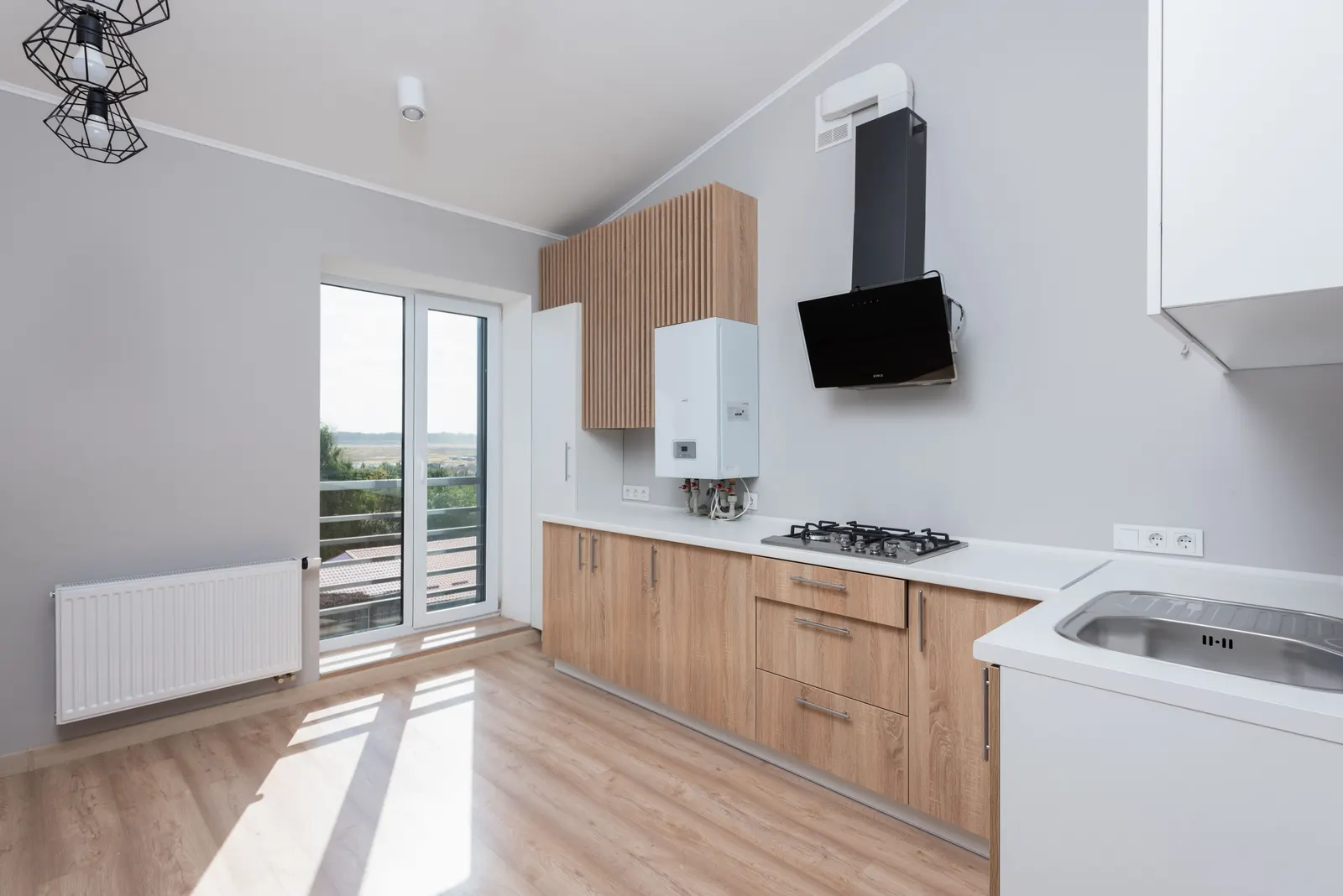
Boiler pressure is too high when the gauge reads about 2 bar or more cold, or near 3 bar with the heating running. The usual causes are overfilling, a filling loop letting mains water in, a flat expansion vessel or, on a combi, a cracked plate heat exchanger. A working relief valve caps it at 3 bar.
Why is my boiler pressure too high?
A sealed system normally sits at about 1 to 1.5 bar cold, so a high reading means one of two things: water has been added, or the system can no longer absorb the expansion when it heats up. These are the causes, roughly from most to least common. The first two you can see and deal with yourself. The rest are parts an engineer has to reach.
It was overfilled. After bleeding radiators or a repair it is easy to top up to 2 bar while the system is warm, then find it reads high the next day. This is the harmless version.
The filling loop is letting by. The filling loop is the braided hose or built-in valve under the boiler that lets mains water into the heating. If it was not fully closed after the last top-up, mains pressure, which is higher than the heating circuit, keeps pushing water in. Worn valves can pass water slowly even with the handles shut. The tell is a cold reading that creeps up a little more each day, with the heating on or off.
The expansion vessel has lost its air charge. The vessel is a steel tank with a rubber diaphragm, usually inside the boiler casing, that absorbs the extra volume when water heats up. When its air charge leaks away, the expanding water has nowhere to go. The tell is a big swing: close to normal when cold, then near 3 bar within half an hour of the heating firing, and back down once it cools.
The pressure relief valve has seized. The relief valve does not push the pressure up, but it is the part that caps it. If it has furred up and no longer opens, a reading that should stop at 3 bar keeps climbing. A needle past 3 bar with a dry discharge pipe outside is the sign, and it is the one version of this fault that is a safety issue.
On a combi, the plate heat exchanger has cracked internally. The plate heat exchanger passes heat from the heating water to the tap water. If a crack opens between the two sides, mains water at higher pressure pushes into the heating circuit. The tell is a slow rise in the cold pressure over hours or days, even with the heating off and the filling loop shut.
Checks you can make without opening the boiler
The pattern tells you more than the number. High only when hot and back to normal by morning points to the expansion vessel. High when cold and higher each morning means water is getting in, through the filling loop or the plate heat exchanger. Our page on boiler pressure that keeps rising sets out the day-long gauge test that separates the two. These checks narrow it down further.
- Read the gauge first thing, before the heating comes on, and again after it has run for half an hour. Write both down.
- Look at the filling loop under the boiler. Both valves should be fully shut, whether they are levers, taps or screwdriver-slot valves.
- If the loop is a detachable braided hose, undo one end once the valves are shut. If the cold reading stops creeping after that, the valves were passing.
- Note the cold reading with the heating off, then check it again a few hours later. A steady climb with the filling loop shut means water is getting in.
- Close the stopcock overnight with the heating off. If the creep stops, mains water is finding its way in.
- Find the copper discharge pipe that comes out through the wall near the boiler. Staining, a drip or a wet patch underneath means the relief valve has been lifting.
Every check above is outside the casing. Testing the expansion vessel charge means draining the boiler down, and that is an engineer job.
When is high boiler pressure dangerous?
Usually it is not, because the relief valve opens at 3 bar and lets water out before the pressure can climb further. What high pressure does do is strain the weakest joints in the system. Radiator valves, old compression fittings and the relief valve itself are the parts that give way.
It becomes a safety problem when the gauge goes past 3 bar and nothing is coming out of the discharge pipe, because the part meant to cap the pressure is not working. The same goes for water or steam from inside the casing. In either case turn the boiler off at the programmer and the fused spur, leave it off, and do not try to drain the system while it is hot.
The relief valve is also the usual casualty of a pressure that keeps climbing. Each time it opens it discharges hot water, often carrying debris that stops its seal closing properly. After that it drips constantly, the pressure falls, and you swap one problem for another, which is what a leaking boiler pressure relief valve usually is. If you are not sure whether yours can wait until morning, our page on whether a plumbing problem is an emergency sets out where the line sits.
Below 3 bar you have time: let the system cool, close the filling loop and let a little water out until the gauge reads 1 to 1.5 bar. Our guide on how to reduce boiler pressure has the full step-by-step and the drain-off method.
Never open the boiler casing, and never twist the pressure relief valve to let water out. These valves often fail to reseat once opened by hand, and then the system drips down to zero.
When you need an engineer, and what they do
Call someone out if the pressure goes back up after you have drained it and closed the filling loop, if the copper pipe outside is dripping or has been discharging, if the needle reaches 3 bar every time the heating runs, or if it goes past 3 bar at all. Those signs point to the expansion vessel, the plate heat exchanger, the relief valve or a passing filling loop, and none of them is a householder repair. This is the work our boiler pressure repair visit is built around.
An engineer checks the filling loop first, because a new pair of filling loop valves is the cheapest fix. Next is the expansion vessel. With the system drained down to zero at the boiler, they put a tyre gauge on the vessel Schrader valve and check the air charge, which is usually around 0.75 to 1 bar on a domestic combi. If it is low they pump it back up and then watch whether it holds. A vessel that will not hold its charge has a split diaphragm and gets replaced.
If the vessel is fine, they disconnect the filling loop and bring the pressure down, then watch the gauge with the cold mains to the boiler on and then isolated. If the pressure climbs only while the mains is connected, the plate heat exchanger has a crack between the two circuits. After any of these repairs the relief valve is checked too, because a valve that has lifted more than once is likely to keep weeping. Gas work is carried out by Gas Safe registered engineers.
What it usually costs to fix
The £60 call-out covers getting an engineer to you at any hour, and the repair price is agreed with you on site before any work starts. What the call-out includes is set out on our pricing page. For a sense of scale, these are the typical UK market ranges for the repairs behind high pressure, parts and labour together.
- Filling loop valves replaced: usually the smallest job on this list, and the part itself is inexpensive
- Expansion vessel recharged: a short job if the diaphragm is sound
- Expansion vessel replaced: typically about £150 to £350, more where the vessel sits at the back of the boiler
- Pressure relief valve replaced: typically about £90 to £200
- Plate heat exchanger replaced on a combi: typically about £300 to £600 depending on the model
If the boiler is over twelve to fifteen years old and needs a heat exchanger as well as other parts, ask for a repair-or-replace view before agreeing to the work. Our guide to repairing or replacing a broken boiler sets out how to weigh it.
Questions people ask
Is 2 bar too high for a boiler?
With the heating on, 2 bar is normal. With the system cold it is a little high and worth bringing down to 1 to 1.5 bar, because it leaves less room for expansion before the relief valve opens at 3 bar.
Can I leave my boiler running if the pressure is high?
If it is below about 2.5 bar hot, yes, while you arrange to bring it down. If it touches 3 bar, or the pipe outside is discharging, turn the heating off and let it cool before you do anything else. If it is past 3 bar, leave the boiler off.
Why is water coming out of the pipe outside my boiler?
That copper pipe is the relief valve discharge. Water coming out means the pressure hit 3 bar, or the valve is no longer sealing after an earlier discharge. Either way the pressure fault behind it needs finding, not just the drip.
Why does my boiler pressure keep creeping up with the heating off?
Water is getting in from the mains: through a filling loop that is not fully shut or, on a combi, through a cracked plate heat exchanger. A small rise while hot water runs is normal, because the heating water warms and expands. Rule out the filling loop first by closing it fully, then have an engineer check the plate heat exchanger.