Boiler repairs · 24/7
Boiler Repair London
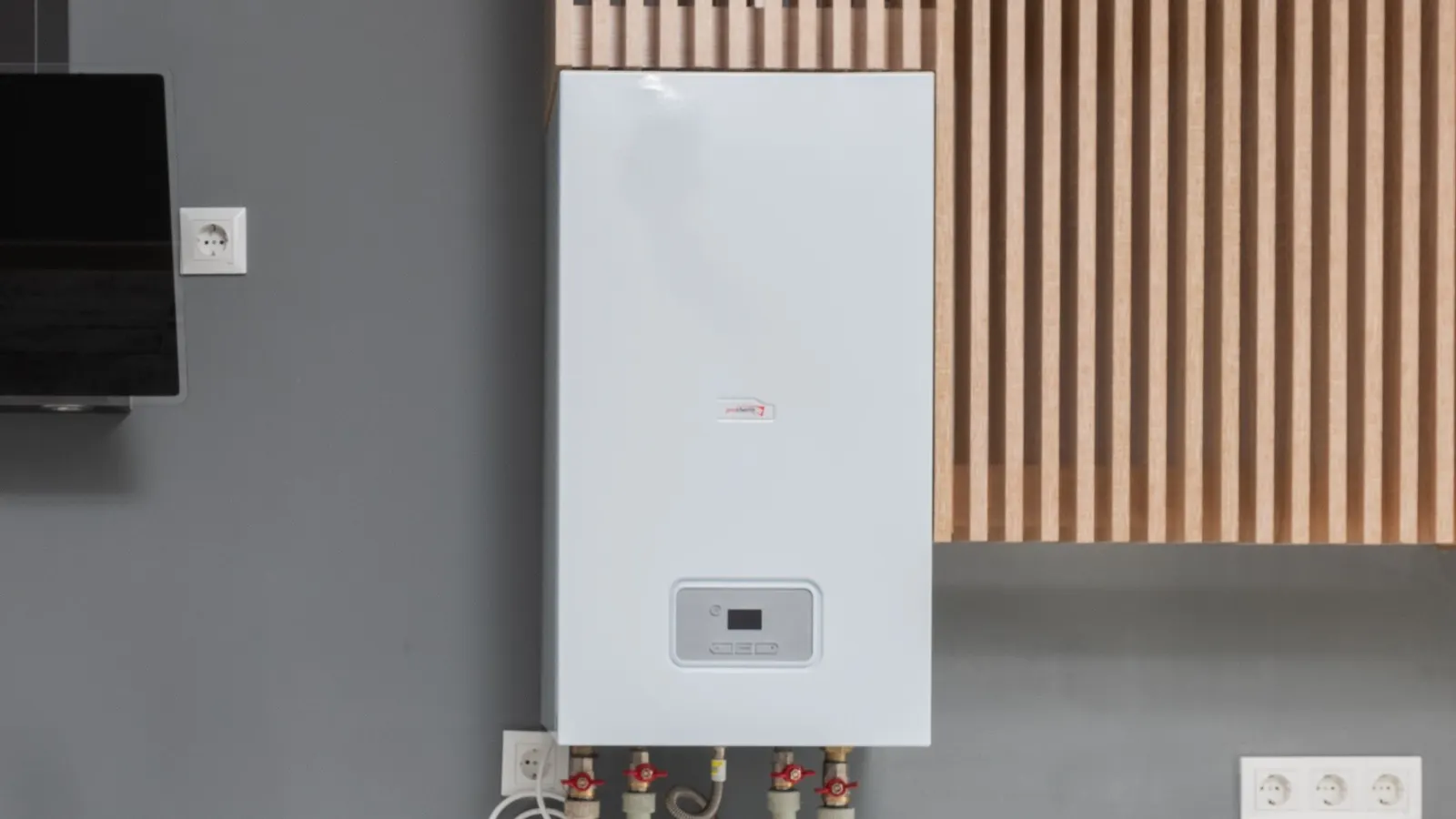
For boiler repair when yours will not fire, keeps locking out, has lost pressure or gives no hot water, an engineer comes out day or night across London and inside the M25. The fault is diagnosed first, the repair price is agreed with you before any work, and the £60 call-out gets us to your door.
What the visit covers
- Combi, system and regular boilers from all the main brands
- Lockouts, ignition faults and fault codes
- No hot water, no heating, or one without the other
- Pressure loss, leaks and noisy boilers
- Pumps, fans, diverter valves, PCBs and gas valves
Which boiler parts fail, and what each one does
Most breakdowns come down to a short list of parts, and each fails with its own pattern of symptoms.
Condensing boilers add one weak point older boilers did not have: the condensate pipe. When the plastic pipe outside freezes, the boiler locks out on an ignition code. Our boiler not working checklist covers the checks worth doing before you book.
- Diverter valve. On a combi it sends heat either to the radiators or to the hot water. A stuck valve gives heating but no hot water, or the reverse. A worn one lets heat leak both ways, so the taps run lukewarm and the radiators warm up in summer.
- PCB. The printed circuit board runs the ignition sequence, the fan, the pump and the safety checks. A failing board can mimic almost any other fault, so it is tested last, after the parts it controls, rather than swapped first.
- Fan. It clears flue gases before the burner lights. As the bearings wear it slows and gets noisy, and the boiler locks out before ignition.
- Pump. It moves water through the boiler and round the radiators. When it seizes or weakens, the water inside the boiler overheats and the boiler cuts out, often with a hum or a very hot pump body.
- Gas valve. It lets gas through to the burner once the safety checks have passed. One that will not open gives an ignition lockout with no flame. One that will not turn the gas up leaves the boiler stuck at low output, so the hot water never gets properly hot.
- Heat exchanger. The main heat exchanger passes heat from the burner to the water. It can corrode, leak or block with sludge, and replacing it is the biggest job inside a boiler.
Combi and system boilers fail in different places
A combi heats your hot water on demand as well as the radiators, so more of its work runs through a few parts. The small plate heat exchanger for the taps is found only on combis, and a combi’s diverter valve switches every time a tap runs, so both work hard. London water is hard, and limescale lines that plate heat exchanger over the years: first the hot water runs lukewarm at full flow, later the boiler overheats and cuts out whenever a tap is on.
A system boiler heats a cylinder and the radiators through motorised zone valves, with the pump usually inside the boiler. When only one side stops, a zone valve or its wiring is the usual suspect rather than the boiler itself. An older regular boiler with tanks in the loft often has gravity hot water and a separate heating pump, so a dead pump leaves the taps hot and the radiators cold. Our guide to hot water but no heating takes each type in turn.
How the engineer finds the fault
A good diagnosis follows an order. First the supplies: is gas reaching the boiler at the right pressure, is there power at the fused spur, is the system pressure between 1 and 1.5 bar cold? Then the controls: is the thermostat or timer actually calling for heat? Only then does the engineer open the casing and test the part the fault code or symptom points at, using the manufacturer data for that model.
Many boilers keep a fault history. Reading it often shows whether tonight is a one-off or the fifth lockout this month, which changes the repair. For brand-specific faults, see Worcester, Vaillant, Baxi, Ideal and Glow-worm repairs.
What a boiler repair usually costs
Published UK cost guides put most boiler repairs somewhere between about £100 and £750. As a rough guide, a pressure relief valve or expansion vessel recharge sits at the low end, around £100 to £200. A diverter valve, pump or fan usually runs £180 to £400. A gas valve is often £200 to £500 and a PCB £350 to £700. A heat exchanger is commonly £400 or more, and on a boiler over about twelve years old that is usually the point to think about replacement.
These are market ranges, not our price. The repair price is agreed with you on site before any work starts. Our pricing page sets out how the call-out and repair price work.
Is it worth repairing, or time to replace?
Most single faults on a boiler under about twelve years old are worth repairing. Replacement comes into it when the heat exchanger has failed, when parts for the model are discontinued or hard to get, or when several major parts have gone in a short time.
On an older boiler the fan, board and diverter valve tend to wear out around the same time, so ask the engineer which other parts are close to the end of their life before you decide. Our guide to repairing or replacing a broken boiler works through examples with typical market prices.
When a boiler repair cannot wait
Book the same day if water is leaking near the boiler electrics, or if someone elderly, very young or unwell is in a cold home. A boiler that has stopped on low pressure with no leak can often wait once you have topped it up.
Some signs are not a repair call at all. If you smell gas, or a carbon monoxide alarm sounds, open windows, turn off the gas at the meter if it is safe to reach, avoid switches, get everyone outside and call the National Gas Emergency Service on 0800 111 999.
Gas work is carried out by Gas Safe registered engineers. Nothing inside the boiler casing is a householder check.
How the visit works
Tell us the symptom
The code on the display, what the pressure gauge reads and whether heating, hot water or both have gone.
Diagnosis in order
Supply and pressure first, then controls, then the component the symptoms point at. No parts swapped on a guess.
Price agreed first
You approve the repair figure before any work starts, or we leave with only the £60 call-out to pay.
Tested and explained
The boiler is run through heating and hot water, and after gas-side work a flue gas reading is taken.
Questions people ask
Do you repair all boiler brands?
Yes for the common UK brands, including Worcester Bosch, Vaillant, Baxi, Ideal, Glow-worm, Viessmann and Vokera, on combi, system and regular boilers.
Can you fix my boiler on the first visit?
Often, yes. Pressure faults, valves and many common parts are fixed on the day. If a part has to be ordered, the boiler is made safe and the return visit is agreed with you.
Will a repair void my boiler warranty?
It can. If the boiler is still under a manufacturer warranty, call the manufacturer first, because many require their own engineers or approved installers to carry out repairs.
How long does a boiler repair take?
It depends on the part. Changing a fan, pump, diverter valve motor or PCB is usually done in the same visit once the fault is confirmed. An intermittent fault takes longer to pin down, because the engineer may need to see it happen or read the fault history. A heat exchanger is the longest job, as the boiler has to be drained and largely stripped down.