Radiators & heating · 24/7
Central Heating Repair for Cold Radiators
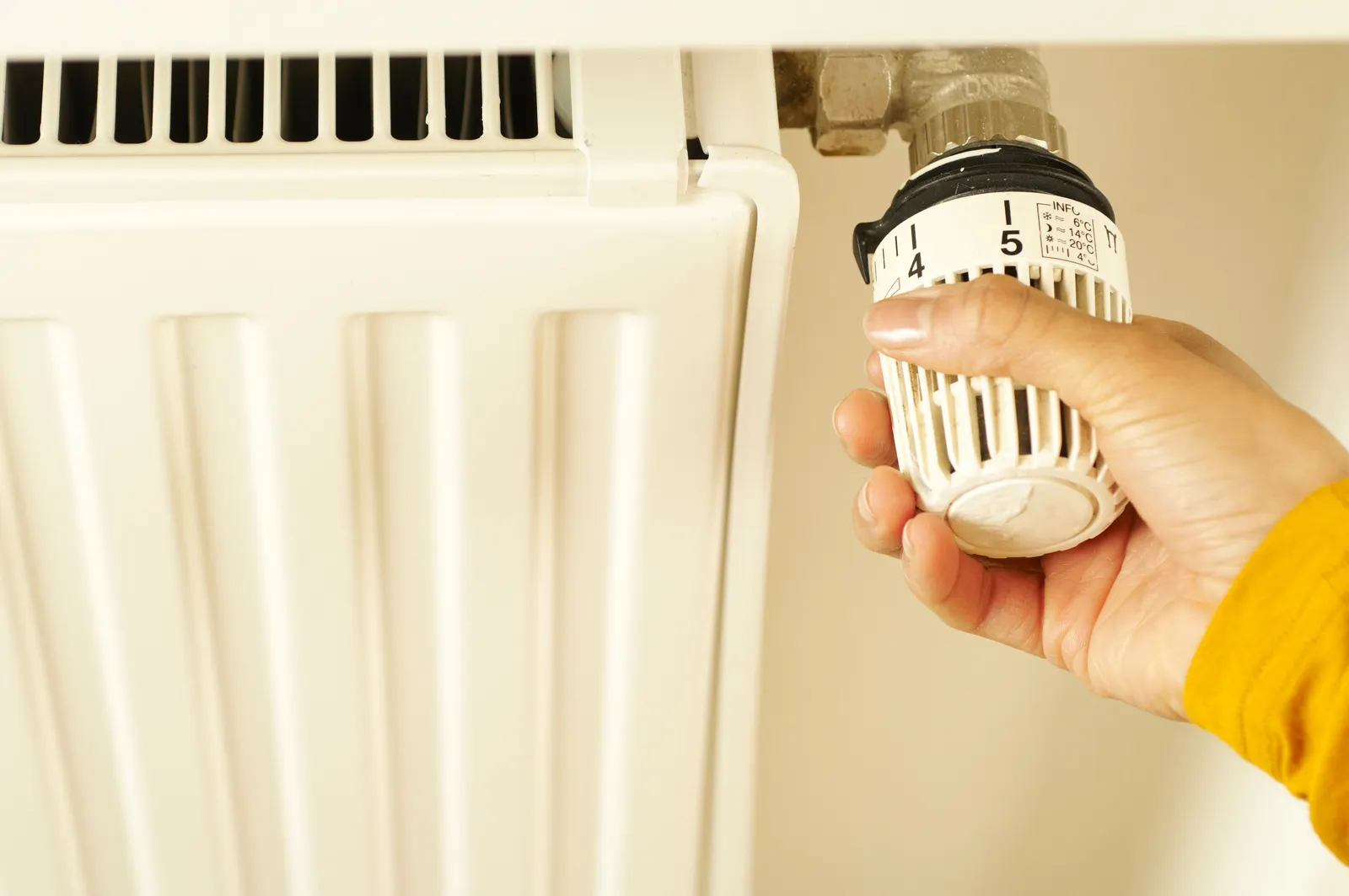
Most central heating repair jobs on a single cold radiator come down to trapped air, a stuck valve pin or sludge. If every radiator stays cold while the boiler runs, suspect low pressure, the pump, a zone valve or, on a combi, the diverter valve. Bleed it and check both valves first; if it stays cold, an engineer traces the fault and agrees the price before starting.
What the visit covers
- Finding out whether the fault is one radiator, one floor or the whole system
- Freeing or replacing seized thermostatic valve pins and lockshield valves
- Circulating pump and motorised zone valve faults
- Bleeding, re-pressurising and balancing the system after the repair
- Advice on sludge, including when a flush is worth paying for
Why is my radiator not heating up?
Start with where the cold is, because the pattern points to the cause. A radiator that is warm at the bottom and cold across the top has air in it. One that is hot at the top and cold along the bottom has sludge, the black iron-oxide silt that settles in older systems. A radiator that stays cold from end to end, while the rest of the house is warm, usually has a closed or seized valve.
If the problem is bigger than one radiator, look at the boiler rather than the panels. Upstairs cold but downstairs warm often means weak circulation or low system pressure, which our page on boiler pressure repair covers. Every radiator cold while the hot taps still run hot on a combi points to the diverter valve. On a system with a cylinder, heating dead but hot water fine points to the heating zone valve or its wiring.
Our step-by-step guide to fixing a radiator that will not heat up covers the full order, and there is a separate page on one radiator not working when the rest of the house is fine.
What can I safely check before calling anyone?
All of these are safe for a householder, and between them they clear most single cold radiators without a visit.
- Turn the heating on and set the room thermostat above the room temperature so the boiler is actually calling for heat.
- Check the thermostatic valve head. Turn it to maximum, then take it off and look at the small pin underneath. It should spring up and down when pressed. If it is stuck down, the radiator will stay cold.
- Bleed the radiator with the heating off and the panel cool, catching drips with a cloth. Stop when water, not air, comes out.
- Look at the boiler pressure gauge after bleeding. Most sealed systems want roughly 1 to 1.5 bar when cold. Top up with the filling loop if it has dropped.
- If one radiator never gets warm after all that, check that the lockshield valve at the other end has not been closed during decorating.
Do not open the boiler casing, and do not touch the pump or zone valve wiring. If you smell gas, open windows, shut the meter valve if safe, keep off the switches, and call the National Gas Emergency Service on 0800 111 999 from outside.
What does the engineer do on the visit?
We confirm the boiler fires and the system pressure holds, then feel the flow and return pipes at the boiler. A hot flow pipe with a cold return means water is not getting round, so the pump, a zone valve or a blockage is next on the list. A pump that hums but does not move water can sometimes be freed; one that has failed gets replaced.
On S-plan and Y-plan systems we check the motorised valves. A seized valve body or burnt-out actuator head will leave the heating cold even when the boiler and thermostat are working. On many common valves the actuator head can be swapped without draining the system. Seized thermostatic valve pins can usually be freed; valves that weep or will not free get replaced, which normally means isolating and partly draining the circuit.
If sludge is the cause, we tell you plainly whether one radiator needs taking off and flushing or the whole system needs cleaning. If the boiler itself turns out to be the fault, gas work is carried out by Gas Safe registered engineers.
How much does central heating repair usually cost?
Getting an engineer to you is the £60 call-out, at any hour. The repair price is agreed with you on site before any work starts. For context, these are typical UK market ranges from published cost guides, not our prices: a fitted thermostatic radiator valve often runs about £100 to £200 per radiator, a replacement circulating pump about £150 to £400 fitted, and a full system power flush about £300 to £800 depending on the number of radiators, with London usually at the top of each range.
Bleeding, freeing a pin or reopening a lockshield valve takes minutes and costs far less than any of those. Our page on what an emergency call-out costs explains how the call-out and repair price work.
When can a cold radiator not wait?
One cold radiator in a spare room can wait for a daytime visit. It cannot wait when the whole house is cold in winter and someone at home is elderly, a baby or unwell, when the boiler keeps locking out, or when a radiator valve is leaking onto a floor or ceiling below. If the boiler itself has stopped, see emergency boiler repair instead.
How the visit works
Tell us the pattern
Which radiators are cold, where on the panel, and whether you still have hot water.
We test the system in order
Pressure first, then pump, zone valves and the radiator valves themselves.
Price agreed, then the repair
The repair price is agreed with you on site before any work starts.
Balanced and checked
We bleed, top up the pressure and check every radiator is warming evenly before we leave.
Questions people ask
Why is my radiator cold at the bottom but hot at the top?
That pattern almost always means sludge has settled along the bottom of the panel. Bleeding will not fix it. The radiator needs flushing out, and if several radiators show it, the whole system may need cleaning and a magnetic filter.
Why is the boiler on but the radiators are not heating?
Check the thermostat is calling for heat and the pressure is above 1 bar. If both are fine, the usual causes are a failed pump, a stuck diverter valve on a combi or a seized heating zone valve. Those are engineer jobs.
Should I bleed radiators with the heating on or off?
Off, and with the radiators cool. Water from a hot radiator can scald, and with the pump running the system can draw air back in through the open bleed valve. Once bled, check the boiler pressure and top it up if needed.
Why are my upstairs radiators cold but downstairs hot?
Low system pressure or weak circulation is most likely, because upstairs is the hardest part of the circuit to reach. Top up the pressure and bleed the upstairs radiators. If they stay cold, the pump or a zone valve needs testing.
Can a stuck thermostatic valve be fixed without draining the system?
Often, yes. With the head off, a stuck pin can usually be worked free by pressing and releasing it a few times, sometimes with a light tap or a drop of penetrating oil. If the valve body itself has failed or is leaking, it needs replacing, which means isolating and draining part of the system.