Water supply · 24/7
Low Water Pressure Fix
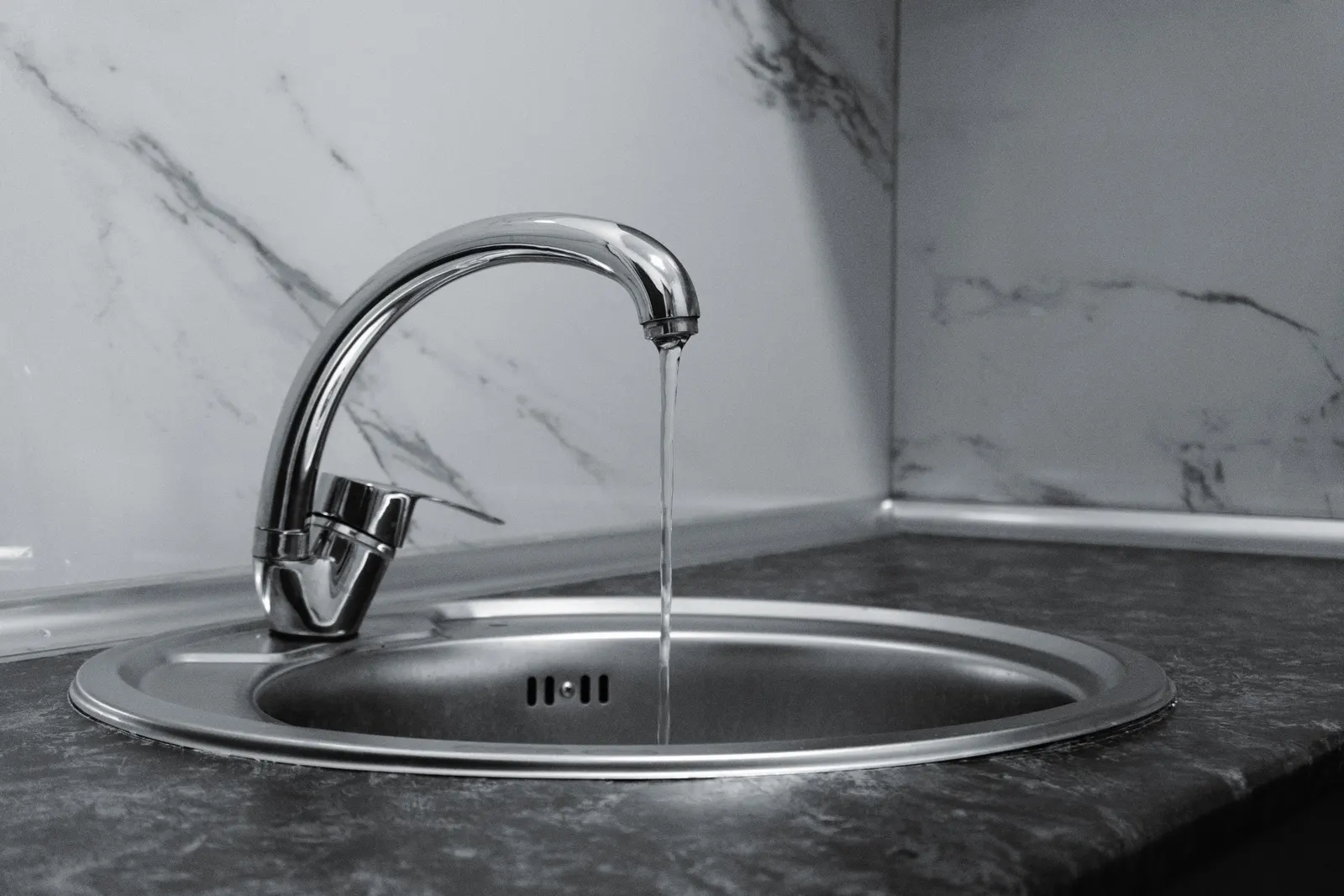
Low water pressure at one tap is usually a blocked aerator or a part-closed isolation valve. At every tap, check the stopcock is fully open and whether neighbours are affected. If they are not, the fault is most likely on your side, such as a stopcock, pressure-reducing valve or supply pipe, though the boundary stop tap is worth checking too. We find it, and the £60 call-out gets an engineer to you.
What the visit covers
- Stopcocks and isolation valves stuck part-closed
- Failed pressure-reducing valves and blocked strainers
- Leaks on the supply pipe that rob pressure
- Blocked aerators, shower heads and cartridge filters
- Advice on pumps and accumulators where the supply is weak
Is it one tap, the hot, or the whole house?
Start by working out the pattern, because it narrows the cause straight away. One tap weak and the rest fine: unscrew the aerator at the end of the spout and rinse out the grit and scale, and check the isolation valve under that tap is fully open. Hot weak but cold strong: the problem is on the hot side, which on a combi can be a blocked filter or heat exchanger, and on a gravity system a tank or airlock issue. Our guide to low pressure at the kitchen tap covers single-tap faults in more detail.
Every cold tap weak at once means the incoming supply. Check the internal stopcock is fully open; after building work it is sometimes left a turn or two short. Then ask a neighbour or check the water company’s website for work in the street. If only your home is affected, the fault is usually between the boundary stop tap and your kitchen, but a part-closed or damaged boundary stop tap is the water company’s to fix.
If the pressure dropped suddenly and the water meter keeps turning with every tap shut, you probably have a leak on the supply pipe. That is worth dealing with quickly, because water may be soaking into the ground or under a floor.
What pressure should you actually have?
Ofwat’s reference level, which water companies report against, is 10 metres head, about 1 bar, at a flow of 9 litres a minute at the boundary stop tap. That is a service benchmark, not what most homes get (the legal guaranteed minimum is lower, at 7 metres), and it is measured where the company’s pipe ends. Anything lost after that point, on your supply pipe or inside the house, is not the water company’s problem. If the reading at the boundary is below that level, the company should investigate, and our guide to low water pressure in your area explains how to report it.
What we do on the visit
The engineer measures static pressure and flow at the kitchen cold tap, which is normally the first fitting off the main. If flow is poor with good static pressure, something is restricting the pipe: a stopcock with a worn jumper that no longer lifts, a scaled-up pressure-reducing valve or its strainer, or an old, narrow lead or iron supply pipe. Those parts are replaced or cleaned, and a stopcock is swapped for a full-bore valve where it helps.
If the supply itself is weak and nothing is faulty, we explain the options honestly. A pump drawing more than 12 litres a minute, connected directly or indirectly to the supply pipe, needs the water company’s consent before fitting under the Water Supply (Water Fittings) Regulations 1999, and pumping straight off the main can starve neighbours. An accumulator, or a replacement supply pipe in a larger bore, is often the better answer. Our guide on whether a water pressure pump is worth it sets out the trade-offs.
What does fixing low water pressure cost?
In market terms, clearing an aerator or opening a valve is a short visit. Replacing a stopcock or pressure-reducing valve is a modest job with an inexpensive part. Replacing a length of supply pipe under a garden or drive is the big-ticket item, because the cost is in digging and making good, and a pump or accumulator installation sits in between.
With us the £60 call-out gets an engineer there, and the repair price is agreed on site before any work starts. See our pricing.
When low pressure cannot wait
Gradually weakening pressure can wait for a planned visit. Call now if pressure has collapsed with no work in the street, if the meter shows water running with every tap shut, if the combi boiler will no longer fire for hot water, or if you have lost water altogether, in which case see our no water emergency service.
How the visit works
Tell us which taps are affected
One tap, hot only, cold only or the whole house points to different faults.
Measure it
The engineer takes a pressure and flow reading at the kitchen tap, then works back along the supply.
Price agreed, then the repair
You approve the figure before any work starts.
Measure again
A second reading proves the fix and gives you a figure to compare against later.
Questions people ask
How can I increase water pressure in my house?
First make sure the stopcock and every isolation valve are fully open and the aerators are clean. Beyond that, the fix depends on the cause: a failed valve, a narrow supply pipe or a genuinely weak mains supply.
Why do I suddenly have no water pressure in the house?
Usually work or a burst in the street, a leak on your supply pipe, or a stopcock that has been knocked part-closed. Check with neighbours first.
Is low water pressure the water company’s responsibility?
Only up to the boundary stop tap. Pressure lost on the supply pipe or plumbing inside your boundary is the owner’s responsibility.
Can I fit a pump to the mains myself?
Not without the water company’s consent. A pump drawing more than 12 litres a minute, connected directly or indirectly to the supply pipe, must be notified and approved before it is fitted, and pumping straight off the main is not allowed to starve neighbours. An accumulator is often the simpler answer.
Why is my water pressure lower in the morning?
Demand across the area peaks in the morning and early evening, so mains pressure drops. A weak supply pipe makes that dip much more noticeable.