Emergency plumbing · Shops, offices and restaurants
Commercial Emergency Plumbing
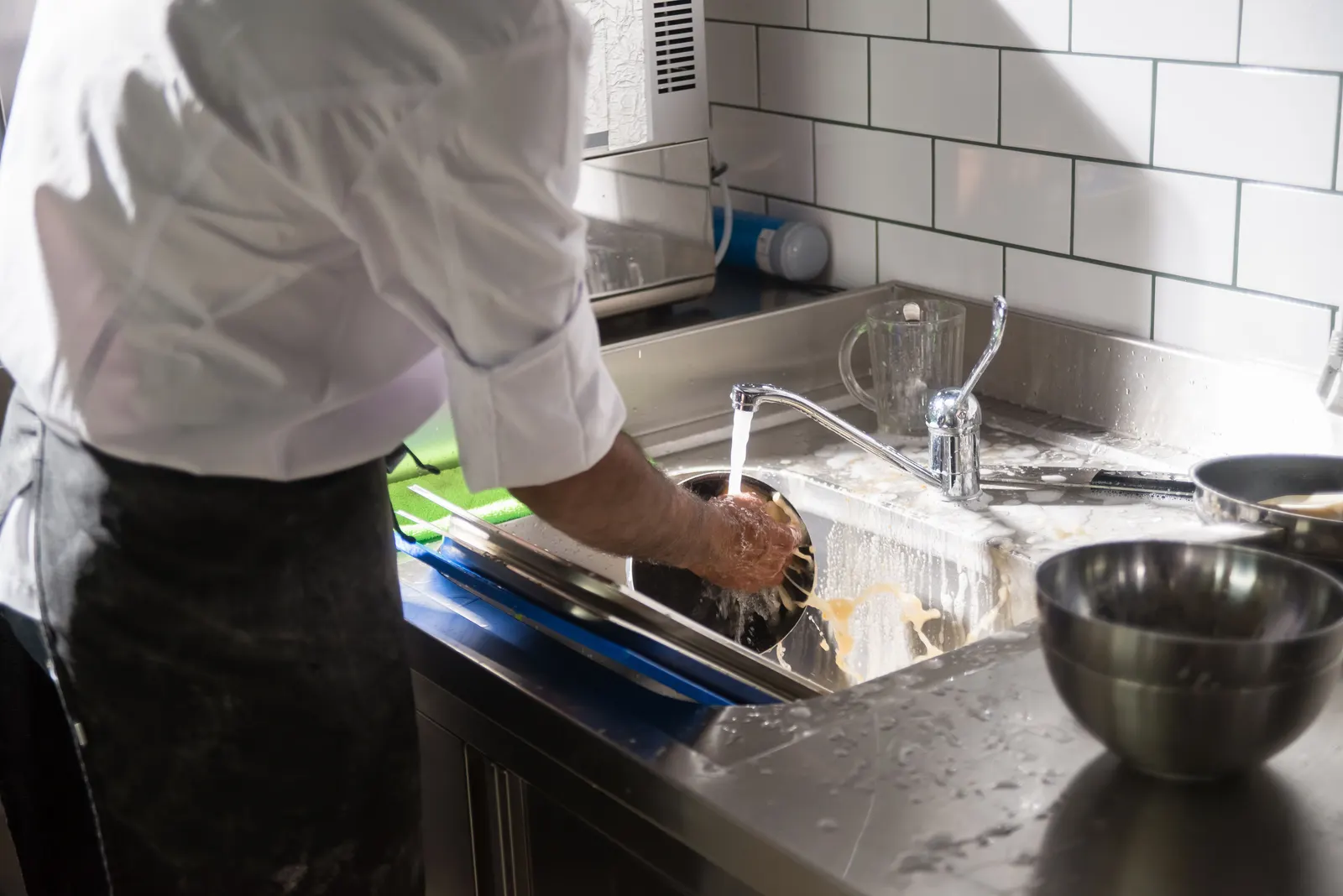
When a leak, a blocked toilet or a failed water heater threatens to close your shop, office or kitchen, we send an emergency plumber at any hour across London and inside the M25. The call-out is £60, and the repair price is agreed on site before any work starts, including outside trading hours.
What the visit covers
- Burst and leaking pipes in shops, offices, cafes and restaurants
- Blocked toilets and urinals in customer and staff washrooms
- Failed water heaters and no hot water at hand-wash basins
- Leaking or seized stopcocks and isolation valves
- Out-of-hours visits so repairs happen before you open
Which plumbing failures can close a business?
Some faults are an inconvenience; others stop you trading legally or safely. The Workplace (Health, Safety and Welfare) Regulations 1992 require suitable toilets for staff and washing facilities with clean hot and cold, or warm, water. Food businesses have a stricter test: food hygiene rules require basins for cleaning hands to have hot and cold running water, so a failed water heater at the hand-wash basin can stop you preparing food until it is fixed.
A burst pipe above stock, a leak through a ceiling onto a shop floor, or the only customer toilet overflowing are the other common reasons a manager rings at 6am. The quickest fix is often not the full repair but isolating the fault so the rest of the site keeps water. That is why the first question we ask is where the nearest working valve is.
If you smell gas in a commercial kitchen, open doors and windows, use the emergency gas shut-off if you can reach it safely, stop anyone using switches or flames, get everyone out and call the National Gas Emergency Service on 0800 111 999.
What the engineer does on a commercial call-out
Commercial buildings rarely have a single stopcock under a sink. Look for isolation valves in ceiling voids, riser cupboards, plant rooms or under a stair, and a main internal stopcock where the supply enters the building. If you share a building, the landlord or managing agent may hold the plan. Our page on stopcock repair covers seized valves, which are common in older shop units.
Once the water is off, the engineer finds the failed joint, valve or fitting, replaces it and checks nearby pipework for the same weakness. Washroom blockages are cleared from the pan or trap first, then from the branch if more than one toilet backs up. Our guide to blocked toilet unblocking explains why a shared branch changes the job.
Under the Water Supply (Water Fittings) Regulations 1999, fittings on a mains supply must not waste water or allow backflow into the supply. On commercial sites that matters most at equipment such as coffee machines, dishwashers and hose points, where the right backflow protection for the risk, from a double check valve to an RPZ valve or an air gap, must be in place. Gas work is carried out by Gas Safe registered engineers; commercial catering appliances need an engineer qualified for commercial catering gas work, which is a separate qualification from domestic gas.
Kitchen drains, grease and water hygiene
In restaurants and cafes, the recurring emergency is a slow or blocked kitchen drain caused by fats, oils and grease. Section 111 of the Water Industry Act 1991 makes it an offence to put anything into a public sewer that interferes with its flow, which is why a grease trap or grease removal unit on the sink waste matters. Clearing the blockage gets you trading again; fixing the grease management stops it coming back.
Employers and those in control of premises have a duty under health and safety law to assess and manage legionella risk in their hot and cold water systems, following the HSE Approved Code of Practice L8. After a repair that leaves pipework stagnant, such as a dead-leg left behind when a sink is removed, tell whoever holds your water risk assessment.
What commercial emergency plumbing usually costs
Across the market, commercial rates are often higher than domestic, and many firms add premiums for evenings and weekends. Costs rise with access: ceiling voids, risers and restricted hours all take time.
Ours is simple. You pay the £60 call-out at any hour, and the repair price is agreed on site before any work starts, so the person authorised to approve spending can say yes or no first. If you manage several units or rental properties, see our landlord emergency plumbing page too, and our emergency call-out costs are set out in full.
How the visit works
Tell us how trading is affected
Whether you can stay open, and whether the leak is inside your unit or coming from above.
Isolate and protect
Water is stopped at the nearest valve so the rest of the building keeps its supply where possible.
Price agreed with whoever is authorised
The repair price is set before work starts, so a manager or landlord can approve it.
Note what failed
Ask the engineer what failed and what was replaced, and write it down for your landlord, insurer or facilities team.
Questions people ask
Can you come before we open or after we close?
Yes. We work 24/7, so a repair can be done overnight or before opening to avoid closing during trading hours. The call-out is £60 at any hour.
Who pays for a leak in a leased shop or office?
It depends on your lease. Many commercial leases make the tenant responsible for plumbing within the unit and the landlord for shared pipework and risers. Check the repairing clauses, and tell the landlord or managing agent straight away if the leak comes from above.
Do we have to close if hand-wash basins have no hot water?
For a food business, hand-wash basins need hot and cold running water. If you cannot provide it, speak to your local authority food safety team about whether you can keep preparing food while it is repaired.
Do you repair commercial catering gas equipment?
Commercial catering gas work needs an engineer qualified for commercial catering, a separate category from domestic gas. You can check any engineer's categories on the Gas Safe Register by their licence number. Add what the appliance is in the details box when you send your number.
What should we record for our insurer or landlord?
Note when the leak started, what failed, what was replaced and the cause if the engineer can establish it, and take photos before and after. Insurers and managing agents usually ask for all of it, so ask the engineer to confirm the details before they leave.