Emergency help & costs
Plumbing Emergency at a Shop or Restaurant
Published
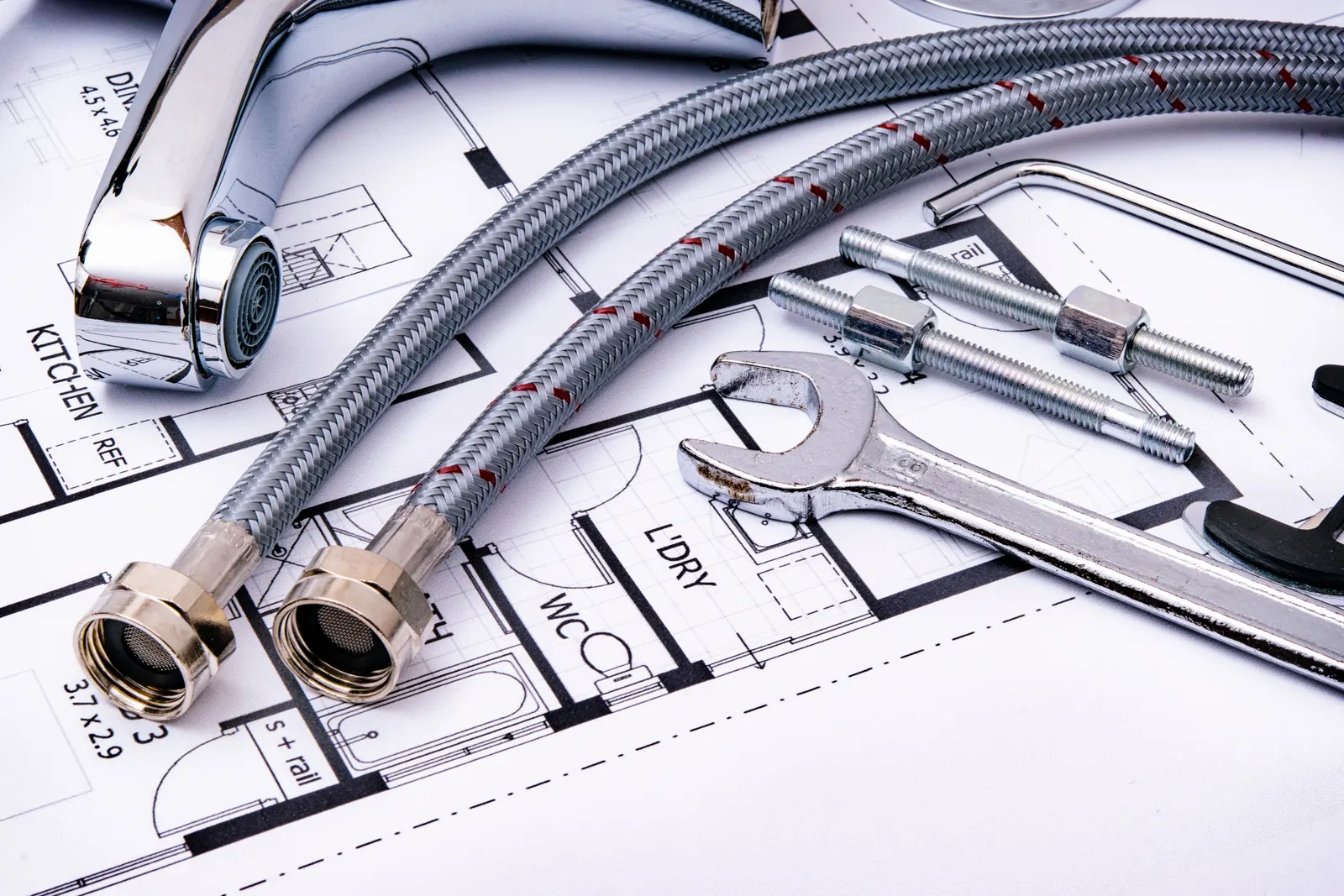
In a shop or restaurant, stop the water at the stopcock, make the electrics near the leak safe, and decide straight away whether you can keep trading. If staff cannot wash their hands in hot and cold running water, a food business should stop preparing open food until it is fixed. Then call a plumber with the details below.
The first five minutes: water, power, gas
Most commercial premises have more than one place to shut the water off, and staff on shift rarely know where they are. The main stopcock is usually where the supply enters the building: under the counter sink in a small shop, in a cellar or plant room in an older parade, or in a riser cupboard in a newer block. Many kitchens also have quarter-turn isolation valves on the feeds to each sink, dishwasher and ice machine, which let you shut off one appliance and keep the rest running. Our guide to finding the stopcock shows what each type looks like.
If water is reaching sockets, a fused spur, a chest freezer or a display fridge, switch the power off at the distribution board if you can reach it from dry floor. In a kitchen, the dishwasher, glasswasher and water boiler are usually on their own circuits, so you may be able to isolate just those.
Gas is a separate question. A leak is not a reason to touch the gas unless the water is near a gas appliance. If anyone smells gas, open doors and windows, shut the emergency gas valve if it can be reached safely, stop anyone using switches or flames, get everyone out and call the National Gas Emergency Service on 0800 111 999. Do not switch anything on or off on the way out. For the order of isolating each supply, see turning off water, electricity and gas in an emergency.
Commercial kitchens with gas cooking usually have a gas interlock that cuts the gas if the extraction canopy fan stops. If a leak has tripped the power to the fan, the cooking line will go off too. Do not bypass the interlock to keep cooking.
Can you keep trading? The rule for food businesses
For any business that prepares or serves open food, hot water is not a comfort. The food hygiene rules kept in UK law after Brexit (Regulation (EC) 852/2004, Annex II) say washbasins for cleaning hands must have hot and cold running water, and that there must be an adequate supply of drinking-quality water wherever it is needed to keep food from being contaminated.
In practice that means a failed water heater, a burst feed to the hand basin or a cut in the mains supply is a food safety problem, not just a plumbing one. Most operators stop preparing open food until hand washing works again, switch to sealed and pre-packed items if they can, and write the decision and the time in their food safety records. An environmental health officer who finds a kitchen running with no hot water at the hand basin can take enforcement action, so keep a note of when the fault started and when you called for help.
Shops, offices and salons have a similar duty to staff. The Workplace (Health, Safety and Welfare) Regulations 1992 require washing facilities with a supply of clean hot and cold, or warm, water, which must be running water so far as is practicable. A single lost toilet in a small unit with one staff toilet can mean sending people to use facilities elsewhere until it is repaired.
Which faults cannot wait until the morning
Some faults cost more every hour they are left, and some can safely wait for opening time. Sort yours before you call, because it changes what you ask for.
- Call now: water coming through a ceiling into a trading area or stockroom, a burst on the incoming main, water near electrics, sewage backing up into a toilet, floor gully or kitchen drain, or no water at all to a food business about to open
- Call now if you trade in the morning: the only staff or customer toilet blocked or not filling, no hot water at the kitchen hand basin, the water heater dripping from its relief valve
- Can usually wait for a booked visit: a dripping tap, a slow basin waste, a cistern that runs on, low pressure at one outlet, a leak that is caught in a bucket and not spreading
A sewage backflow in a kitchen or food store means stopping food handling in that area, discarding exposed open food and cleaning and disinfecting surfaces before it reopens. Keep staff out of the affected area until it is cleaned.
What to tell the plumber when you call
Commercial call-outs go faster when the engineer knows what they are walking into. A two-minute description on the phone can save the first half hour on site.
Say what type of premises it is and whether it is trading. Say where the water is coming from and whether it has stopped since you shut the stopcock. Name the equipment involved if you know it: a water heater under the sink, an unvented cylinder in a cupboard, a gas combi, a boiler for a hot water urn, a grease trap under the pot wash. Tell them about access: shutters, alarm codes, a landlord who holds the keys to the plant room, a meter in a shared basement, parking restrictions on a red route.
If you rent the unit, check your lease for who is responsible for the incoming supply, drains and water heating. Many commercial leases put internal plumbing on the tenant and the structure and shared drains on the landlord. Tell the landlord or managing agent as soon as you can, even out of hours, especially if the leak is affecting a flat above or a neighbouring unit. Our page on emergency plumbing for landlords and agents covers the owner side of the same problem.
What the engineer does on a commercial visit
The first job is to make it safe and get you trading. That usually means isolating the damaged pipe or appliance so the rest of the building has water back, restoring at least one working hand basin and one toilet, and clearing any drain that is backing up. A split feed pipe can often be cut out and replaced on the spot with copper and compression fittings or push-fit; a failed thermostat or element on an under-sink water heater can often be changed the same visit if the part is a common one.
Some repairs need a second visit or a specialist. An unvented cylinder should only be worked on by someone trained and competent in unvented hot water systems, the standard Building Regulations Part G3 sets for installing them. Gas cooking equipment and commercial boilers need an engineer who holds the commercial categories on their Gas Safe card, which is a different qualification from domestic boiler work. Gas work is carried out by Gas Safe registered engineers. A kitchen drain full of fat usually needs jetting, and a grease trap that has not been emptied will keep blocking until it is.
Our commercial emergency plumbing visit starts with the £60 call-out at any hour, and the repair price is agreed with you on site before any work starts, which matters when you need to approve spend or get a purchase order from head office.
After the emergency: stop it happening on a Friday night
Most commercial plumbing emergencies are predictable. A few cheap habits cut the chances of the next one.
- Label the main stopcock and every isolation valve, and show each shift manager where they are
- Keep the plumber’s details, the landlord’s out-of-hours number and the alarm code for the plant room in one place behind the counter
- Have the grease trap emptied on a schedule that matches how much frying you do, and keep fat out of the pot wash sink
- Run little-used outlets, such as a disabled toilet or a staff shower, every week so water does not sit in the pipes
- Ask for the water heater and any cylinder safety valves to be checked at a routine service, not only when they fail
- Photograph the damage and keep the invoice: insurers usually ask for both when you claim
Questions people ask
Do I have to close my café if the hot water stops working?
The food hygiene rules require hot and cold running water at the hand basin, so preparing open food without it puts you in breach. Many cafés stop preparing open food and switch to sealed items until it is fixed. Record when the fault started and when it was repaired.
Who pays for a plumbing emergency in a rented shop?
It depends on the lease. Internal pipes and fittings are often the tenant’s repair, while the structure, shared drains and the supply to the building are often the landlord’s. Check the repairing clause and tell the landlord straight away either way.
Can a domestic plumber fix a commercial gas appliance?
Not unless they hold the right commercial categories on the Gas Safe Register. Domestic and commercial gas work are separate qualifications. Check the back of the engineer’s Gas Safe card for the categories listed.
What should I do if a toilet blocks during service?
Put it out of use and stop flushing it, because repeated flushing can flood the floor. If it is your only customer toilet, call a plumber straight away. See blocked toilet unblocking for what the engineer does.