Leaks & burst pipes
Leaking Radiator Fluid: Inhibitor, Sludge or Water?
Published
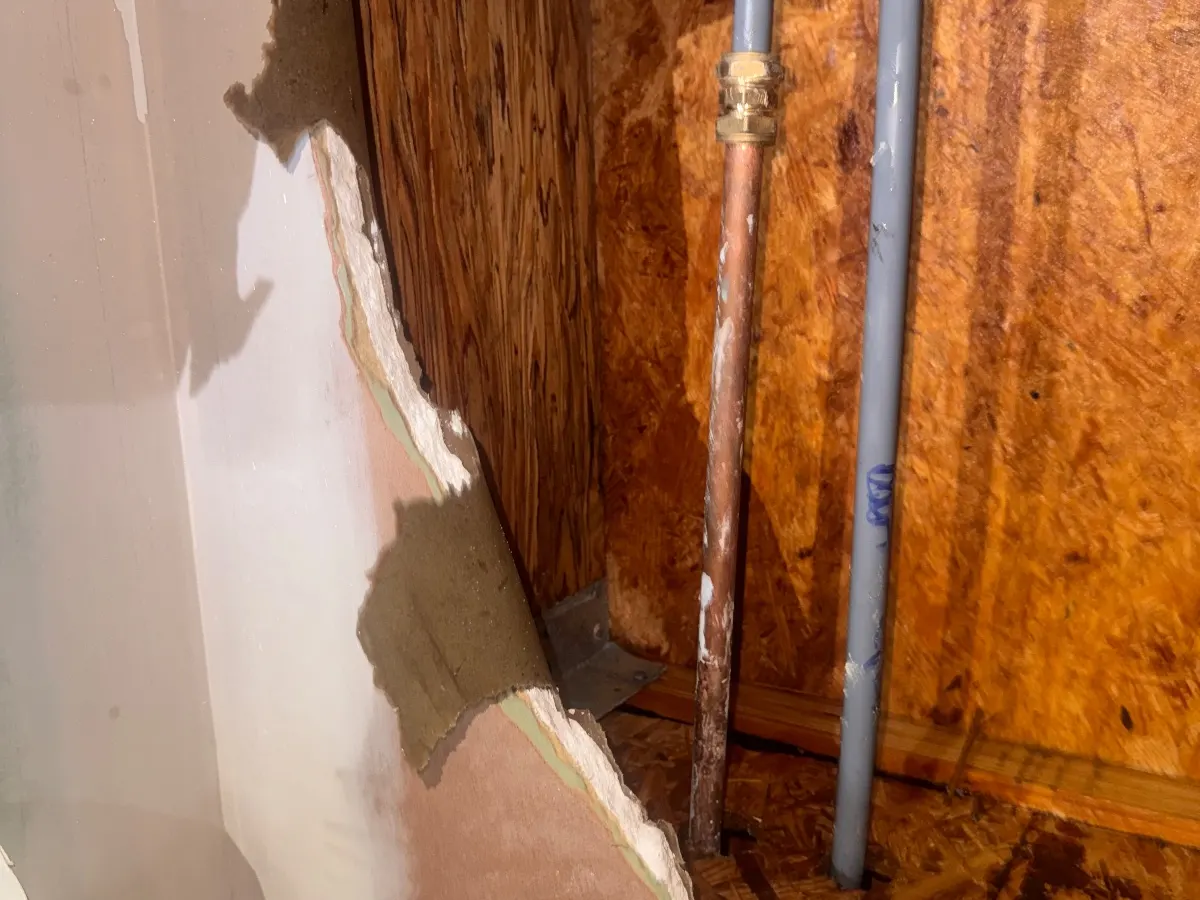
The fluid leaking from a home radiator is central heating water: mains water mixed with a corrosion inhibitor, plus whatever the system has picked up. Black fluid is magnetite sludge, brown or orange is rust from the radiator itself, and clear fluid means the water is fresh or well treated. The colour tells you how worried to be.
What is actually in a radiator?
A wet central heating system is a closed loop. The same water circulates between the boiler and the radiators for years, and on a sealed system nothing new enters it unless someone tops up the pressure. When it was filled, a chemical corrosion inhibitor should have been added, as the British Standard for heating water treatment, BS 7593, recommends. The inhibitor slows the reaction between the water and the steel radiators, and on its own it is usually clear or slightly tinted.
Over time, even with inhibitor, some steel corrodes. The result is magnetite, a fine black iron oxide that settles in the bottom of radiators and in the boiler as sludge. That is why water from an older system is rarely clear.
This page is about radiators in a house heated by a boiler. A car radiator leaking coolant is a different system with antifreeze in it, and a garage is the place for that.
What the colour of the leak tells you
Catch a little of the fluid on white kitchen roll or in a clear glass and look at it in daylight.
- Clear or very pale: fresh water or a well-maintained system. Most likely a joint or valve leak rather than corrosion. Usually the easiest leak to fix
- Grey to black, sometimes gritty: magnetite sludge. The system has been corroding internally for a while. The leak is often at a valve or tail, but the sludge is a separate problem worth dealing with
- Brown, orange or rust-red, often with a rusty stain on the panel: iron oxide from the radiator steel itself. Combined with a leak from the panel or a seam, this usually means the radiator has rusted through from inside
- Green or blue-green crust at a joint: slow weeping at a brass or copper fitting, drying out and leaving deposits. The leak has been there for weeks
- White chalky crust: limescale left behind as water evaporates, typical of a slow weep in a hard water area like most of London
- Fluid that stays liquid and feels slightly slippery: possibly antifreeze, which some systems with outdoor pipework or heat pumps use. It is usually clear, though some brands are dyed. Tell the engineer, because it has to be matched when the system is refilled
Is leaking radiator fluid harmful?
Heating water is not drinking water. Inhibitors are chemical products and the water carries iron oxide and sometimes bacteria, which is why sludgy heating water can smell metallic or of bad eggs. It is not dangerous to touch briefly, but wear gloves if you are mopping a lot of it, wash your hands afterwards, and keep children and pets away from the puddle. Some antifreezes are toxic if swallowed, so keep pets away from any puddle that might contain it.
Black water stains carpet and grout, and rusty water stains wood and stone permanently if it sits. Lift rugs out of the way and blot rather than rub.
Tip collected heating water down the toilet, which goes to the foul sewer. Not onto garden beds or into a roadside or yard gully, which can run straight to a river.
Stopping the leak for now
Whatever the colour, the first steps are the same. Turn the heating off, catch the drip, close the thermostatic valve and the lockshield valve at each end of the radiator, and watch the boiler pressure gauge. If the pressure stays steady once the radiator is isolated, the rest of the house can have heating. The full sequence is in a radiator leaking: what to do now.
Be careful with leak sealer. Products poured into the system can close a pinhole in a panel for a while, but they can also settle in the boiler heat exchanger and small pipework, and some boiler manufacturers warn against them. Central heating leak sealer goes through when it is reasonable and when it makes things worse. On a radiator weeping brown water from the panel, sealer is buying time on a part that has already failed.
What black or brown water means for the whole system
A leak with clear water is a local problem: fix the joint and move on. A leak with black or rusty water is also a symptom. It means the inhibitor is depleted or was never added, the system is corroding, and other radiators may follow. You may already have the other signs: radiators cold at the bottom, a boiler that kettles or bangs, or a pump that has failed early.
The usual answer is to fix the leak, then clean the system. Depending on how bad the sludge is, that ranges from a chemical cleaner circulated before a drain and refill, to a powerflush, and in both cases a magnetic filter on the return to the boiler to catch what is left. The system is then refilled with inhibitor dosed to the manufacturer’s instructions, and the level can be checked with a test kit at each boiler service.
What a plumber does and what it typically costs
On a visit the engineer confirms where the leak is, isolates and drains the radiator, and either remakes the joint, replaces the valve or replaces the radiator if it has rusted through. After any drain, the system is refilled, bled, repressurised and topped up with inhibitor.
Typical market ranges in London, as a guide rather than our price: remaking a leaking valve or tail, around £90 to £180; replacing a corroded radiator like for like, from about £250; a chemical clean with drain and refill, around £250 to £450 for a typical house; fitting a magnetic system filter, around £150 to £300. Our radiator repair visit starts with the £60 call-out at any hour, and the repair price is agreed with you on site before any work starts. If several radiators are cold at the bottom as well, central heating repair covers the wider system.
Questions people ask
Why is my radiator leaking black water?
The black colour is magnetite, iron oxide sludge from the system corroding internally. The leak itself is usually a valve or tail joint, but the sludge means the inhibitor needs checking and the system probably needs cleaning.
Why is my radiator leaking brown or rusty water?
Rust-coloured water, especially with a rust stain on the panel, usually means the steel radiator is corroding through from the inside. A panel leak like that cannot be repaired reliably; the radiator needs replacing.
Do I need to add inhibitor after a radiator leak?
If the system was drained or topped up with a lot of fresh water, yes. New water dilutes the inhibitor. A plumber adds it after the repair, and a simple test kit shows whether the level is right.
Can I top up the pressure while the radiator is leaking?
Only after the leaking radiator is isolated and the drip has stopped. Topping up while it leaks feeds the leak and brings in fresh oxygenated water that speeds up corrosion.