Hot water problems
Hot Water Tank Replacement Cost
Published
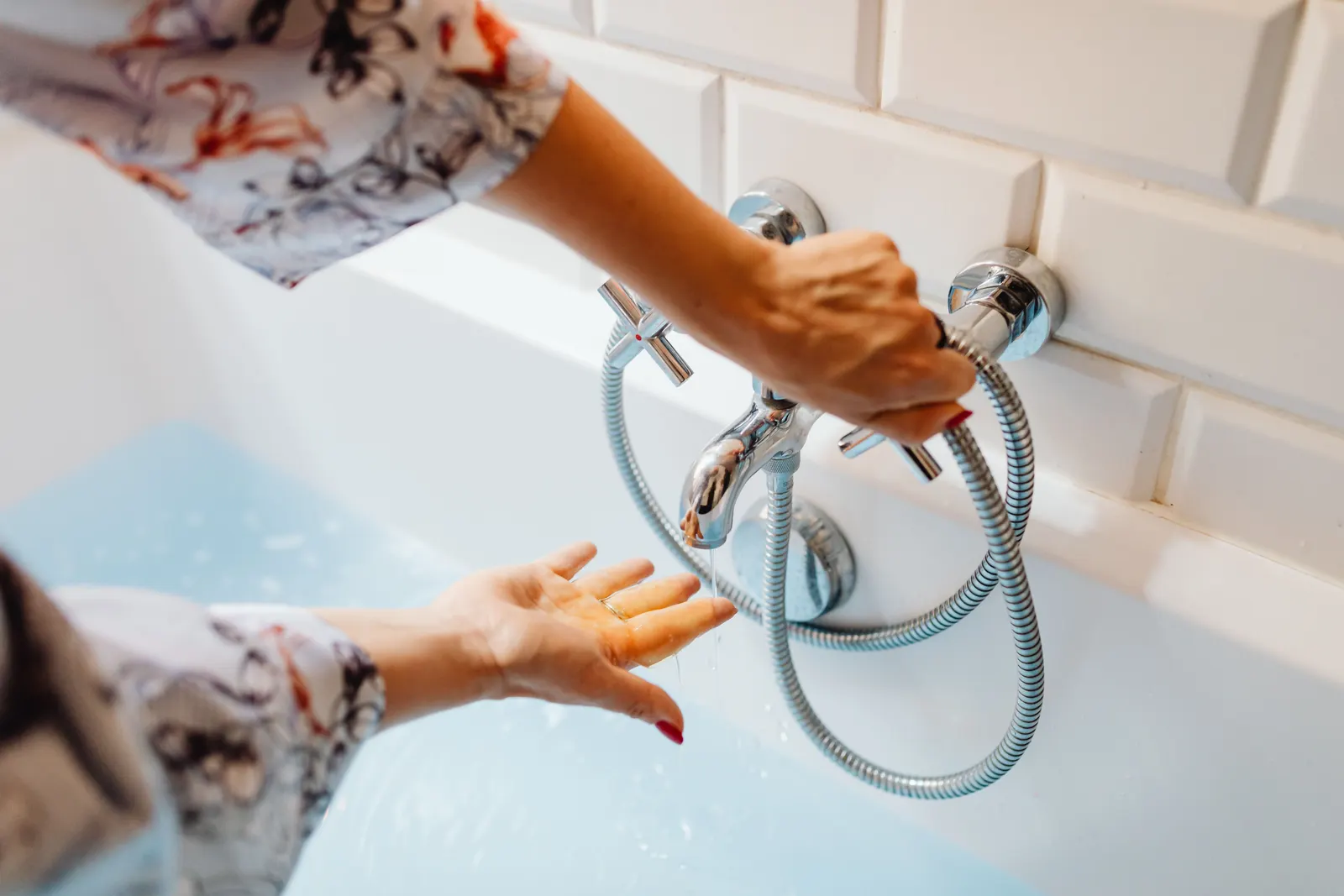
Replacing a hot water tank typically costs from about £600 to £1,800 for a like-for-like vented copper cylinder, and roughly £1,000 to £3,000 for an unvented cylinder, fitted. Converting from vented to unvented commonly runs £1,500 to £3,500, and more where the supply or discharge route needs major work. Size, access and pipework changes decide where you land.
Typical UK price ranges, fitted
These are typical market ranges from UK installers and cost guides for supply and fit, including removal of the old cylinder. They are not our prices. London often sits at the upper end because labour and parking cost more.
- Like-for-like vented copper cylinder: roughly £600 to £1,800. A simple swap of a standard size in an accessible airing cupboard is the low end.
- Like-for-like unvented cylinder: roughly £1,000 to £3,000. The cylinder alone ranges from about £450 to £2,000 or more depending on make, size and whether it is steel or copper.
- Vented to unvented upgrade: roughly £1,500 to £3,500 for a typical family-sized cylinder, and higher again where the incoming main, pipework, discharge route or electrics need significant work.
- Immersion element only, if the tank itself is sound: commonly £130 to £280 fitted.
Before paying for a new tank, make sure the tank is the problem. A failed element, thermostat, zone valve or safety valve is a part, not a cylinder.
Do you need a new tank, or a repair?
A cylinder needs replacing when the body is leaking: a pinhole weep, a split seam, green corrosion staining on the copper with dry joints above it, or water collecting under the base. A leak through thin old copper cannot be soldered reliably. Work out where your leak is coming from with hot water tank dripping before you get quotes.
Almost everything else is repairable. No hot water from an immersion is usually the element or thermostat, covered in immersion on but still no hot water. No hot water from the boiler on an indirect cylinder is often the zone valve or the cylinder thermostat. On an unvented cylinder, water dripping into the tundish is normally the expansion vessel, the pressure reducing valve or the relief valves, all of which can be replaced separately. See the temperature and pressure relief valve guide.
A visit has the £60 call-out at any hour. The engineer tells you on site whether it is a part, such as an immersion element, or the tank, and the repair price is agreed with you before any work starts.
What pushes the price up or down
Size and type come first. A small direct cylinder heated only by an immersion is the cheapest. An indirect cylinder, with a coil for the boiler, costs more, and one with two coils for solar or a heat pump more again. Unvented cylinders cost more than vented ones of the same size, because they carry a factory-fitted safety kit and need a qualified installer.
Access is the next biggest factor. A cylinder in an open airing cupboard on the landing is a morning’s work. One boxed in behind fitted cupboards, in a loft, or in a top-floor flat with no lift takes longer. Old copper cylinders are sometimes wider than the door they now sit behind, so the old one may have to be cut out.
Pipework changes add up. Modern cylinders do not always put the connections where the old one had them, and a new unvented cylinder needs a discharge pipe from the tundish to a safe, visible point outside. Under Building Regulations Part G3, that pipe must fall continuously, be at least one size larger than the valve outlet, and have at least 300 mm of vertical drop below the tundish before any bend. In a mid-terrace or a flat, finding that route can be the hardest part of the job.
Finally, the heating controls. When an indirect cylinder is replaced, Building Regulations expect a cylinder thermostat and a boiler interlock, usually through a two-port zone valve, so these are fitted if they are missing. That adds to the cost but stops the tank overheating and wasting gas.
Vented or unvented: which to replace it with?
Swapping like for like is the cheapest, quickest route and keeps everything else in the house as it is. A vented cylinder is simple, has no pressure safety devices to service, and works with low mains pressure. The trade-off is weak shower pressure upstairs unless you add a pump, and a loft tank to maintain.
An unvented cylinder gives mains pressure at every tap and frees up the loft. Before one is recommended, the engineer should measure your incoming mains pressure and flow rate, because an unvented cylinder is only as good as the supply feeding it. Many older London houses and flats with a shared or narrow lead supply pipe do not have the flow to make it worthwhile.
An unvented cylinder also needs an annual service of its safety devices, and fitting one is notifiable building work. It must be installed by a competent person who self-certifies it through a registration scheme, or the work must be notified to building control. Keep the certificate: you will need it when you sell.
What happens on the day
The installer switches off the heat sources, isolates the supply and drains the old cylinder. On an indirect cylinder they also drain the heating circuit enough to disconnect the coil. The old tank comes out, the new one goes in, the pipework is adapted and the cylinder is filled, bled and checked for leaks. The immersion is only powered once the tank is full. For an unvented cylinder, the safety devices are tested and the installation is registered.
A like-for-like vented swap is usually a day. An upgrade to unvented can take two, especially if a new discharge route has to be cut. If you need to stop a leak before the replacement day, see how to drain a hot water tank.
Sometimes the boiler connections or controls need altering as part of the job. Gas work is carried out by Gas Safe registered engineers.
Questions people ask
How much does it cost to replace a hot water cylinder in the UK?
Typical market ranges are about £600 to £1,800 for a like-for-like vented cylinder and £1,000 to £3,000 for an unvented one, fitted. Converting from vented to unvented commonly costs £1,500 to £3,500, and more where the supply or pipework needs major changes.
How long does a hot water cylinder last?
It varies with the water chemistry, how hot the water is kept and the quality of the cylinder, so age alone is a poor guide. Check the guarantee on the label for the manufacturer's own view. The real sign it is ending is a leak through the body itself.
Can I replace an unvented cylinder myself?
No. Installing an unvented cylinder is notifiable building work that must be done by a competent person, normally someone with G3 unvented qualification who self-certifies it through a registration scheme.
Is it cheaper to switch to a combi boiler than replace the cylinder?
Sometimes, if the boiler is also near the end of its life and the home has one bathroom. With two bathrooms or low mains flow, a combi struggles, and replacing the cylinder is usually the better choice.