Hot water problems
How to Drain a Hot Water Tank
Published
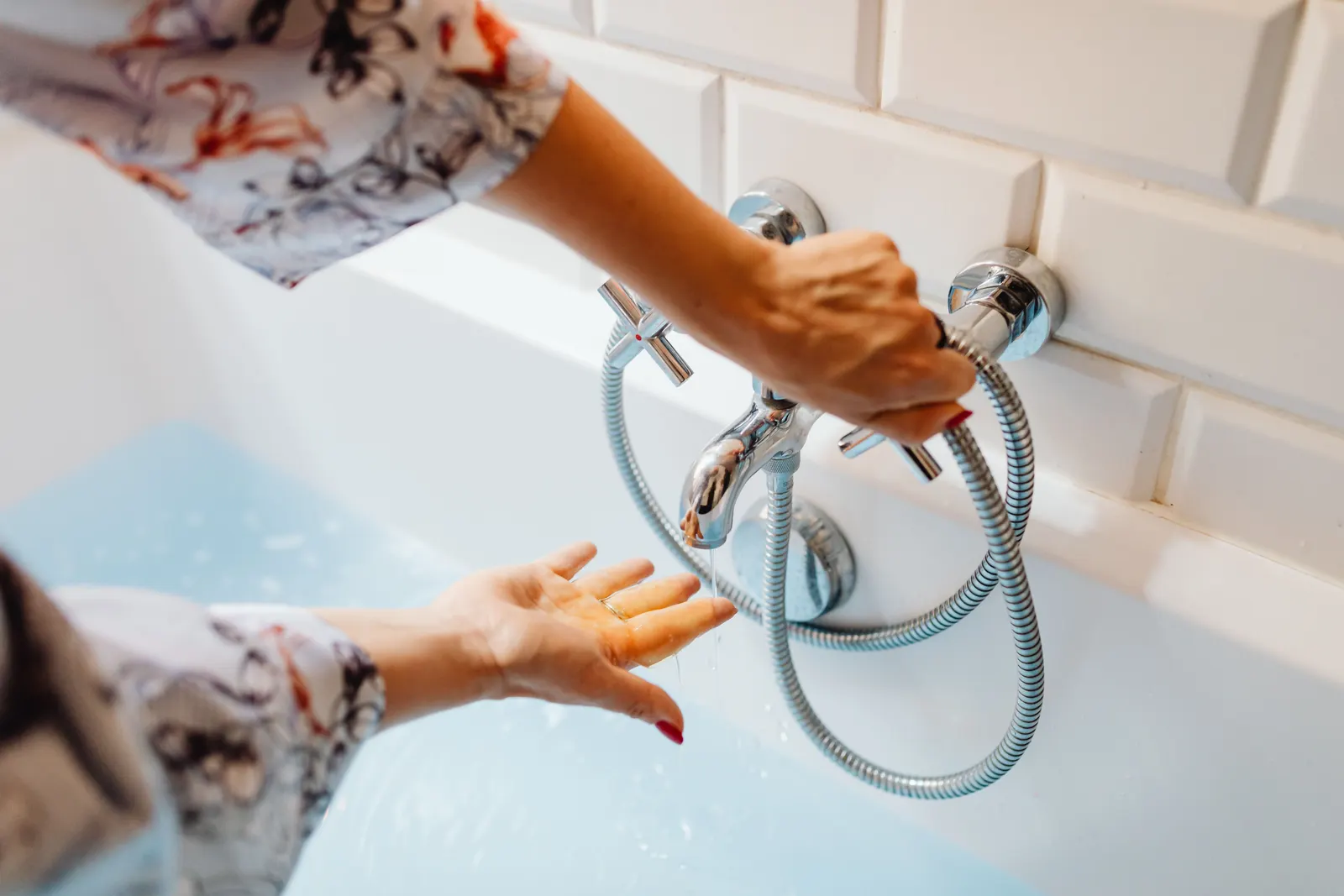
To drain a hot water tank, switch off the immersion and boiler hot water, close the cold feed valve, fit a hose to the drain cock at the bottom of the cylinder and run it outside, lower than the tank. Open the drain cock and a hot tap to let air in. Refill fully before switching any heat back on.
Do you actually need to drain it?
In the UK there is rarely a routine reason to drain a domestic hot water cylinder. Advice about flushing sediment out every year comes mostly from American gas water heaters, which heat from a burner underneath. A UK cylinder heated by a coil or an immersion element does not need it.
The real reasons are specific: replacing an immersion heater element, stopping a leak from the lower half of the tank, removing or replacing the cylinder, or leaving an empty property unheated through winter. If you only need the hot taps to stop, closing the supply is enough, as covered in how to turn off the hot water supply from a cylinder.
This guide is for a vented cylinder, the kind fed by a cold water tank in the loft. An unvented, mains-pressure cylinder is different, and there is a section on it below.
What you need before you start
Gather everything first, because once the drain cock is open you want to stay near it.
- A garden hose long enough to reach outside or to a drain lower than the bottom of the cylinder
- A jubilee clip to hold the hose on the drain cock outlet
- A drain cock key, or an adjustable spanner, for the square spindle
- Towels and a bowl for the drips when you fit and remove the hose
- Several hours, or an overnight wait, for the water to cool if the tank has been heated today
A freshly heated cylinder is typically stored at about 60°C, hot enough to scald in seconds. Switch the heat off and let it cool before you drain, and use a hose that will not soften with warm water.
Draining a vented cylinder, step by step
Work through these in order. The order matters more than any single step.
- Switch off the immersion at its wall switch and set the boiler hot water to off
- Close the gate valve on the cold feed pipe running from the loft tank into the bottom of the cylinder
- Open a hot tap, ideally the bath, and let it run until it stops. This empties the pipes and relieves the pressure
- Find the drain cock: a small brass valve with a hose outlet, usually on the cold feed pipe just before it enters the cylinder, at the lowest point
- Push the hose on, tighten the jubilee clip and lay the other end outside, lower than the tank at every point along its run
- Turn the square spindle anticlockwise a turn or two. Water will start to flow down the hose
- Leave the hot tap open so air can get into the top of the cylinder. Without it, the flow slows to a trickle
Common problems while draining
If water stops flowing after a minute, air is not getting in. Open a second hot tap, and check the hose has not risen above the level of the cylinder anywhere, for example over a window sill. The cylinder drains by gravity, so the whole run of hose needs to fall.
If the drain cock spindle turns but nothing comes out, the outlet may be blocked with scale. A few firm turns in and out sometimes clears it. If the drain cock leaks from the spindle when opened, tighten the small gland nut under the head a fraction. Drain cocks are covered in more depth in the drain-off valve guide.
Some older installations have no drain cock on the cylinder at all. In that case the tank has to be emptied by siphoning from the top or by disconnecting the cold feed, which is a plumber’s job unless you are confident with compression fittings.
On an indirect cylinder, the kind heated by the boiler through a coil inside it, draining the tank leaves the coil full. The heating water in the coil is a separate circuit from the water in the tank and stays where it is. You do not need to drain the radiators, and you should not open anything connected to the boiler side. That is a different job, described in how to drain central heating.
Draining an unvented cylinder
Unvented cylinders run at mains pressure and carry safety devices required by Building Regulations Part G3. Every manufacturer sets out its own draining procedure in the installation manual, and the usual order is to switch off the heat sources, isolate the mains cold supply, open a hot tap to release the pressure, then drain from the cylinder’s drain valve. Some manuals direct you to open the temperature and pressure relief valve to let air in.
Because the safety devices are involved and the expansion vessel may need recharging when the cylinder is refilled, most manufacturers recommend this is done by someone holding G3 unvented qualification. If you have an unvented cylinder and need it drained, for example to change an immersion, it is sensible to have the annual safety check done at the same visit.
Never lift the relief valve lever on a cylinder that is hot or still under pressure. It will discharge scalding water through the tundish.
Refilling without burning out the immersion
Close the drain cock and remove the hose. Leave one hot tap open. Open the cold feed gate valve slowly. The cylinder fills from the bottom and pushes air out through the open hot tap. When the tap stops spitting and runs a steady stream, close it, then run each of the other hot taps in turn to clear the air from them.
Only then switch the immersion or boiler hot water back on. An immersion element switched on while the tank is still part empty burns out almost immediately, and that is the most common way a simple drain-down turns into a call-out. Check the drain cock and any joints you disturbed for drips over the next hour.
If you are draining because of a leak or a failed element, our immersion heater repair and replacement visit has the £60 call-out at any hour, and the repair price is agreed with you on site before any work starts. If the leak is the cylinder body itself, hot water tank replacement cost sets out what to expect.
Questions people ask
How long does it take to drain a hot water tank?
It depends on the tank size, the drain cock and the hose run, but a typical domestic cylinder takes somewhere between half an hour and an hour once the water has cooled. A partly blocked drain cock or a hose that rises anywhere can make it much slower.
Where is the drain valve on a hot water cylinder?
Usually on the cold feed pipe just before it enters the cylinder, at the lowest point. It is a small brass valve with a hose outlet and a square spindle. Some cylinders have one built into the base, and some older ones have none.
Do I need to drain the central heating to drain the hot water tank?
No. On an indirect cylinder the heating water runs through a coil inside the tank that is not connected to the stored water. Draining the tank leaves the coil and radiators full and untouched.
Can I drain an unvented cylinder myself?
Manufacturers publish a procedure, but it involves the safety valves and often a check of the expansion vessel, so most recommend someone with G3 unvented qualification does it.