Boiler & heating breakdowns
How to Drain a Central Heating System
Published
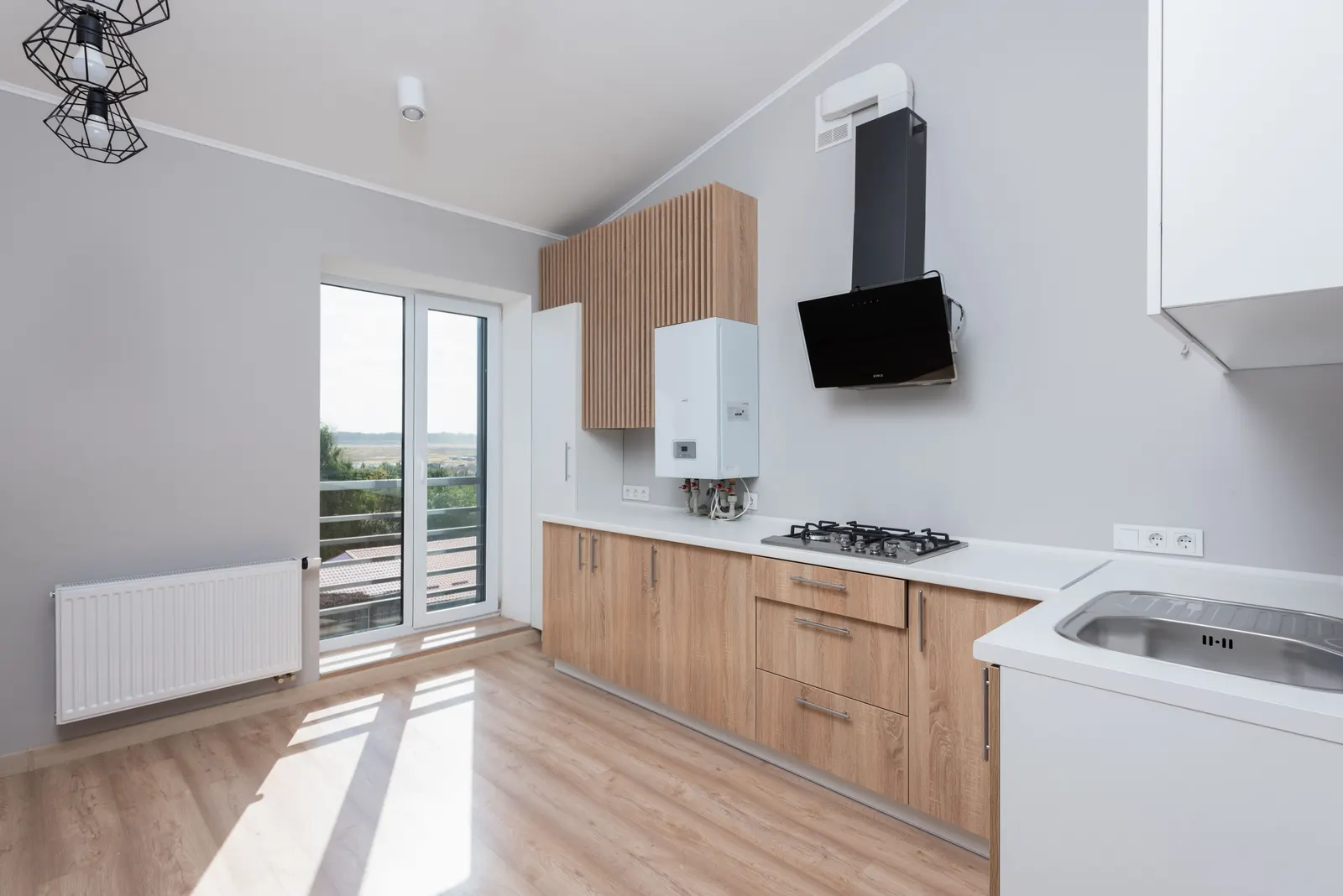
Switch the boiler off and let the water cool. Isolate the water feed, push a hose onto the drain off valve at the lowest point and run it to a foul drain. Open the drain valve, then open the radiator bleed valves from the top floor down. Refilling and adding inhibitor afterwards matters as much as the draining.
Before you start: which system do you have?
The steps differ slightly depending on how your heating is filled, so check this first.
- Sealed system: a pressure gauge on or under the boiler reading about 1 to 1.5 bar, and a filling loop to top it up. Almost every combi boiler works this way
- Open vented system: no pressure gauge, a small feed-and-expansion tank in the loft next to the larger cold water tank, and usually a hot water cylinder in an airing cupboard
Draining is a job for a cold system only. Water at working temperature can scald, and a boiler run with no water in it can be damaged in seconds.
Step by step: draining the system
Allow an hour or two for a typical house. The water will be dark, so protect floors along the route of the hose.
- Turn the boiler off at the controls and at the fused spur, and switch off any immersion heater. Wait until the radiators are cold
- Open vented: tie up the ball valve arm in the feed-and-expansion tank with a length of wood across the tank, or close the service valve on its feed pipe, so the tank cannot refill while you drain
- Sealed: make sure both taps on the filling loop are closed
- Find the drain off valve. It is a small brass valve with a square nut and a hose tail, usually at the lowest point of the system: on a ground floor radiator valve, on the pipework near the boiler, or low down near the cylinder
- Push a garden hose over the tail, secure it with a jubilee clip, and run it downhill to a foul drain: a toilet, an outside gully that takes waste from the kitchen, or a sink
- Open the drain off valve with a spanner or drain valve key, a turn or two anticlockwise
- Once the flow slows, open the bleed valve on the highest radiator, then work down through the house. Air in at the top lets the water out at the bottom
- When the hose stops running, the system is as empty as it will get by gravity
Where the water goes, and where it must not
Central heating water contains corrosion inhibitor and, in an older system, a lot of black iron oxide sludge. It belongs in the foul sewer, the same drains that take the toilet and sink. Never run it into a road drain or a rainwater gully, because in most areas those go straight to a river. Fernox, one of the main inhibitor makers, gives the same advice. Do not let it soak into a lawn or flower bed either.
If you are not sure which outside gully is which, use a downstairs toilet. The hose will need to be long enough, and you will need to hold it in place or weigh it down so it does not flip out when the flow surges.
No drain off valve, or it will not shut
Some systems have no drain off valve at all, especially where pipes run under a solid floor. In that case the usual method is to shut both valves on the lowest radiator, loosen the union nut between one valve and the radiator, and drain through that joint into a tray. It works, but it is messy and easy to get wrong, and a split olive or cross-threaded nut afterwards means a leak on refill.
Drain off valves that have not been opened in twenty years are the other catch. The washer inside perishes, and when you close the valve it keeps dripping. Keep a plastic cap for the hose tail handy; it will hold a slow drip until the valve can be replaced. Never open a drain off valve by turning the whole brass body, as that unscrews it from the pipe. Turn only the square nut on top.
If a valve snaps, a joint weeps after refill or a radiator valve spins without shutting, see radiator leaking: what to do or book radiator repair.
Refilling and putting inhibitor back
This is where most DIY drain-downs go wrong. Close every bleed valve and the drain off valve before you let water back in.
- Open vented: untie the ball valve in the loft tank and let it fill the system on its own. Bleed each radiator from the bottom floor upwards as it fills
- Sealed: open the filling loop slowly and fill to about 1 bar, then bleed the radiators and top up again. Expect to repeat this several times, as air keeps finding its way out
- Add inhibitor. Fernox rates a 500ml bottle of its F1 Protector for up to about 130 litres, or 16 radiators counting each double panel as two, so larger houses may need a second bottle. Other brands, such as Sentinel X100, give their own dose on the label. On an open vented system it goes in through the loft tank. On a sealed system it goes in through a filter dosing point, an injector, or a towel rail with the bleed valve removed
- Run the heating, bleed again once it has cooled, and check the pressure the next morning. It should sit at about 1 to 1.5 bar cold
BS 7593:2019, the British Standard for treating heating system water, expects inhibitor to be checked every year. A system refilled with plain water will start corroding again and producing sludge.
When to get an engineer to do it
Draining is within reach of a careful householder on an open vented system with a working drain off valve. It is less straightforward on a sealed system, because refilling and getting all the air out can take several attempts, and a combi boiler that fires with air in its heat exchanger will lock out or kettle. Anything inside the boiler casing, such as a leaking heat exchanger found during the drain-down, is not a householder job. Gas work is carried out by Gas Safe registered engineers.
An engineer can also do what a hose cannot: flush out sludge. A chemical clean over a few days followed by a drain-down, or a powerflush with a pump rig, removes much more than gravity. Typical market prices for a powerflush in the UK run from about £300 to £800 depending on the number of radiators, with London at the upper end. For a single cold radiator, removing it and flushing it outside is usually enough.
If you have drained down because of a leak you cannot find, or the pressure will not hold after refilling, book central heating repair. The £60 call-out covers the visit and the repair price is agreed with you on site before any work starts. For a pressure drop after refilling, boiler losing pressure but no visible leak is a useful first read.
Questions people ask
How long does it take to drain a central heating system?
For a typical house, draining takes 30 minutes to an hour once the hose is running. Refilling, bleeding and adding inhibitor usually takes longer than the draining itself.
Can I drain just one radiator instead of the whole system?
Yes. Close both valves on that radiator, counting the turns on the lockshield so you can reset it, then loosen one union nut and drain into a tray. Only the water in that radiator comes out.
Do I need to add inhibitor after draining?
Yes. Draining removes most of it, and fresh water brings oxygen that starts corrosion. Dose to the bottle instructions for the size of your system.
Why is my central heating water black?
Black water is magnetite, iron oxide from steel radiators corroding inside, the same sludge that colours black or brown fluid leaking from a radiator. A little is normal in an old system. A lot means the inhibitor has run out and the system would benefit from a chemical clean or flush.