Hot water problems
How Much Does an Immersion Heater Cost to Run?
Published
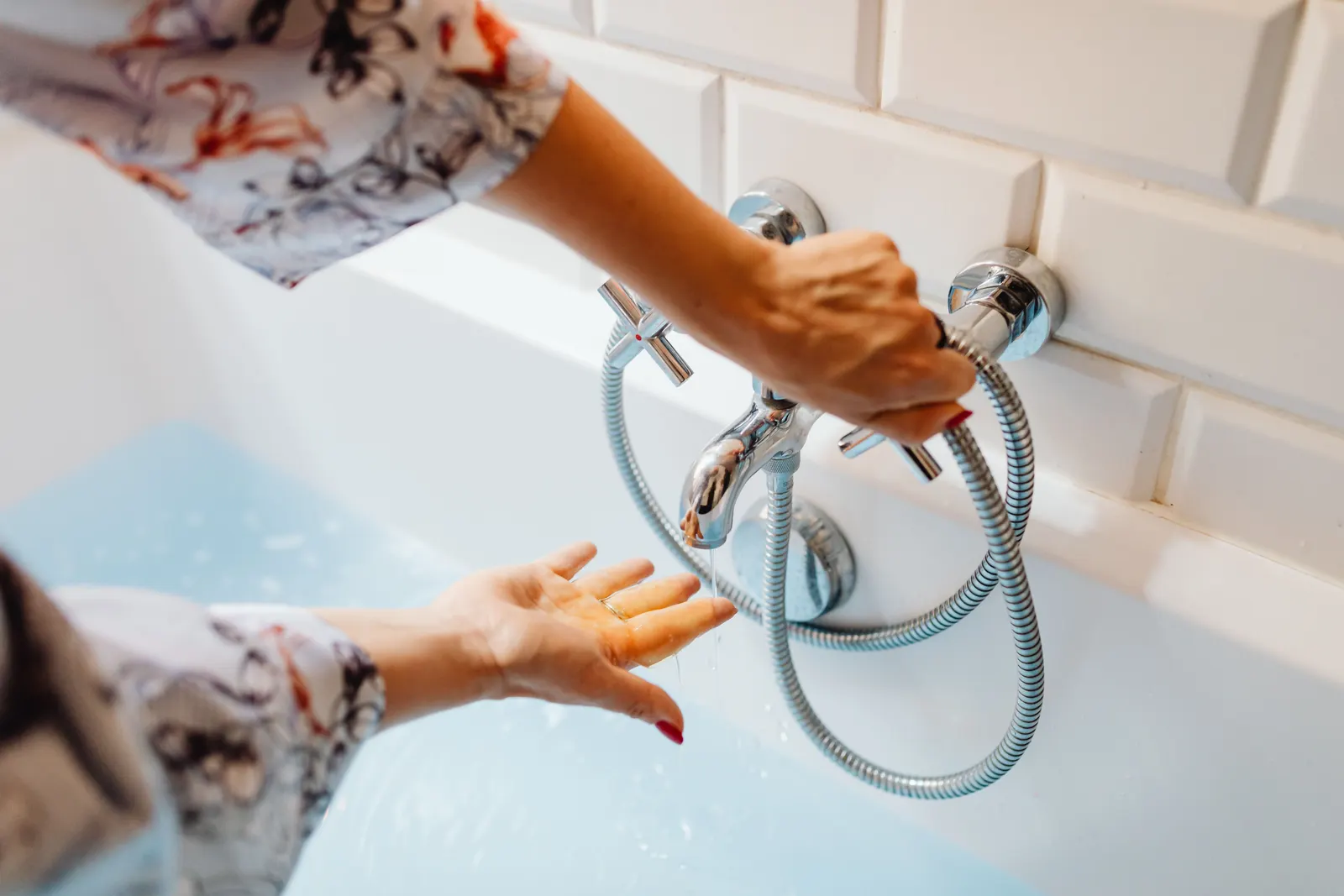
A standard 3 kW immersion heater uses 3 kWh an hour, so at the Ofgem price cap of 26.32p per kWh for October to December 2026 it costs about 79p an hour. Heating a typical cylinder from cold uses roughly 7 to 9 kWh, about £1.85 to £2.40, before any heat lost from the tank.
The sum, worked out
Running cost is power multiplied by time multiplied by your unit rate. Almost every UK immersion heater element is 3 kW, so every hour it is actually heating it uses 3 kWh. The figures here use the Ofgem price cap for a standard variable tariff paid by direct debit, which is 26.32p per kWh from 1 October to 31 December 2026. Ofgem notes there is no VAT on electricity from 1 October 2026 to 31 March 2027, so that figure is what you pay per unit. The cap changes again on 1 January 2027, and your own tariff may differ, so swap in the unit rate from your bill.
- One hour of heating: 3 kWh × 26.32p = about 79p.
- A full cylinder from cold: water needs about 1.16 watt-hours per litre for each degree it is raised. A 140 litre cylinder heated from 12°C to 60°C needs about 7.8 kWh, around £2.05.
- A smaller 110 litre cylinder over the same rise: about 6.1 kWh, around £1.60.
- Heat lost from the tank: a modern factory-insulated cylinder typically loses in the region of 1 to 2 kWh a day, around 25p to 55p. An old cylinder in a loose jacket can lose several times that.
The standing charge of 54.83p a day is paid whether the immersion runs or not, so it is not part of the immersion’s running cost.
What a day, a week and a month actually cost
A household does not heat a whole cylinder from cold every day. The immersion only tops up what was used plus what leaked away through the insulation. A rough way to estimate it: a shower uses around 40 to 60 litres of mixed water, of which perhaps two thirds is from the hot side, so each shower costs somewhere near 1.5 to 2.5 kWh to replace, or about 40p to 65p at the cap rate.
Put together, a two-person home using the immersion as its only hot water source might use in the region of 6 to 10 kWh a day including standing losses. That is roughly £1.60 to £2.60 a day, or about £50 to £80 over a 31-day month, at the October 2026 cap. A larger household with baths can use far more. These are estimates to show scale, not a quote, and your meter is the only real answer: note the reading, run the immersion for a normal day with nothing else unusual on, and read it again.
Is it cheaper to leave the immersion on all the time?
No. A thermostat stops the element heating once the water reaches the set temperature, so a cylinder left on is not burning 79p every hour. But it is keeping the whole tank hot around the clock, which means paying for standing heat loss all day, including the hours nobody needs hot water. A timer that heats the water once or twice a day, ahead of when you use it, is almost always cheaper than leaving it on constantly.
The opposite mistake is switching it on for twenty minutes before a shower. Heated water rises, so the hot layer builds from the top of the cylinder down to the tip of the element, and twenty minutes gives only a shallow layer of it. Heating for one to two hours before the main use is the practical minimum.
Do not save money by setting the thermostat below 60°C. HSE guidance on controlling legionella bacteria is to store hot water at 60°C or above. Around 60°C is the right setting for most cylinders.
Economy 7, solar and the boiler: cheaper ways to heat the same water
On an Economy 7 or other off-peak tariff, the lower element in a twin-element cylinder is meant to run overnight at the cheaper rate and the upper one only for daytime top-ups. If the timer is set wrong, or the off-peak circuit has failed and someone has been using the upper element all day instead, the bill climbs quickly. Check the times on the timer match the off-peak hours printed on your bill.
With solar panels, an immersion diverter sends surplus generation to the element instead of exporting it, which makes daytime hot water close to free on sunny days.
If you have a gas boiler with a cylinder, the boiler is usually the cheaper way to heat the water, because gas costs much less per kWh than electricity. The immersion is then a backup. If the boiler is not heating the cylinder and you have been relying on the immersion instead, fixing the boiler side is often the real saving. Our guide on heating on but no hot water covers why a boiler stops heating a cylinder.
Signs your immersion is costing more than it should
A healthy immersion costs what the sums above say. A faulty one can cost a great deal more, because the element runs longer for less hot water. These are the patterns that point to a fault rather than heavy use.
- The meter reading jumps but the water is only lukewarm. A heavily scaled element or a failing thermostat can run for hours without reaching temperature.
- The immersion never switches off. If you can hear it or see the meter climbing hours after the cylinder should be up to temperature, the thermostat may have stuck on. That is also a safety issue: the manual cut-out is the only thing then stopping the water boiling. See how to reset an immersion heater for what that cut-out does.
- Water or steam coming out of the vent pipe over the loft tank points to overheated water being dumped. Water running from the tundish on an unvented cylinder means a relief valve is opening, most often because of excess pressure from a flat expansion vessel, though it can also be overheating. Our page on the temperature and pressure relief valve explains why it matters.
- The cylinder feels hot on the outside. The insulation is poor, and a fitted jacket or replacement cylinder will pay back.
When the cost is a fault, not the tariff
If the bill has risen sharply and nothing in the house has changed, test before you change tariff. An engineer can check the thermostat is switching at the temperature it is set to and measure the element for a partial earth fault or heavy scale. How to test an immersion heater explains the readings if you would like to check it first.
Our immersion heater repair service covers thermostat and element testing and replacement. It starts with the £60 call-out at any hour, and the repair price is agreed with you on site before any work starts. If a replacement is likely, see immersion heater replacement cost for typical market figures.
Questions people ask
How much does an immersion heater cost per hour?
A 3 kW element uses 3 kWh an hour. At the Ofgem cap of 26.32p per kWh for October to December 2026 that is about 79p for each hour it is actually heating. Once the water reaches temperature the thermostat switches it off.
How long should an immersion heater be on for?
For a typical cylinder, one to two hours before you need hot water is usually enough for showers and washing up, and two to three hours heats a full tank from cold. A timer is cheaper than leaving it on all day.
Is an immersion heater cheaper than a gas boiler for hot water?
Usually not on a standard tariff, because electricity costs much more per kWh than gas. It can be cheaper on an off-peak tariff overnight, or close to free using surplus solar through a diverter.
Does leaving the immersion on all the time use a lot of electricity?
It does not run constantly, because the thermostat cuts it off at the set temperature. But it keeps the tank hot all day, so you pay to replace heat that leaks from the cylinder when nobody needs it. On a well-insulated modern cylinder that is roughly 1 to 2 kWh a day.