Boiler & heating breakdowns
How to Lower Boiler Pressure Without Bleeding Radiators
Published
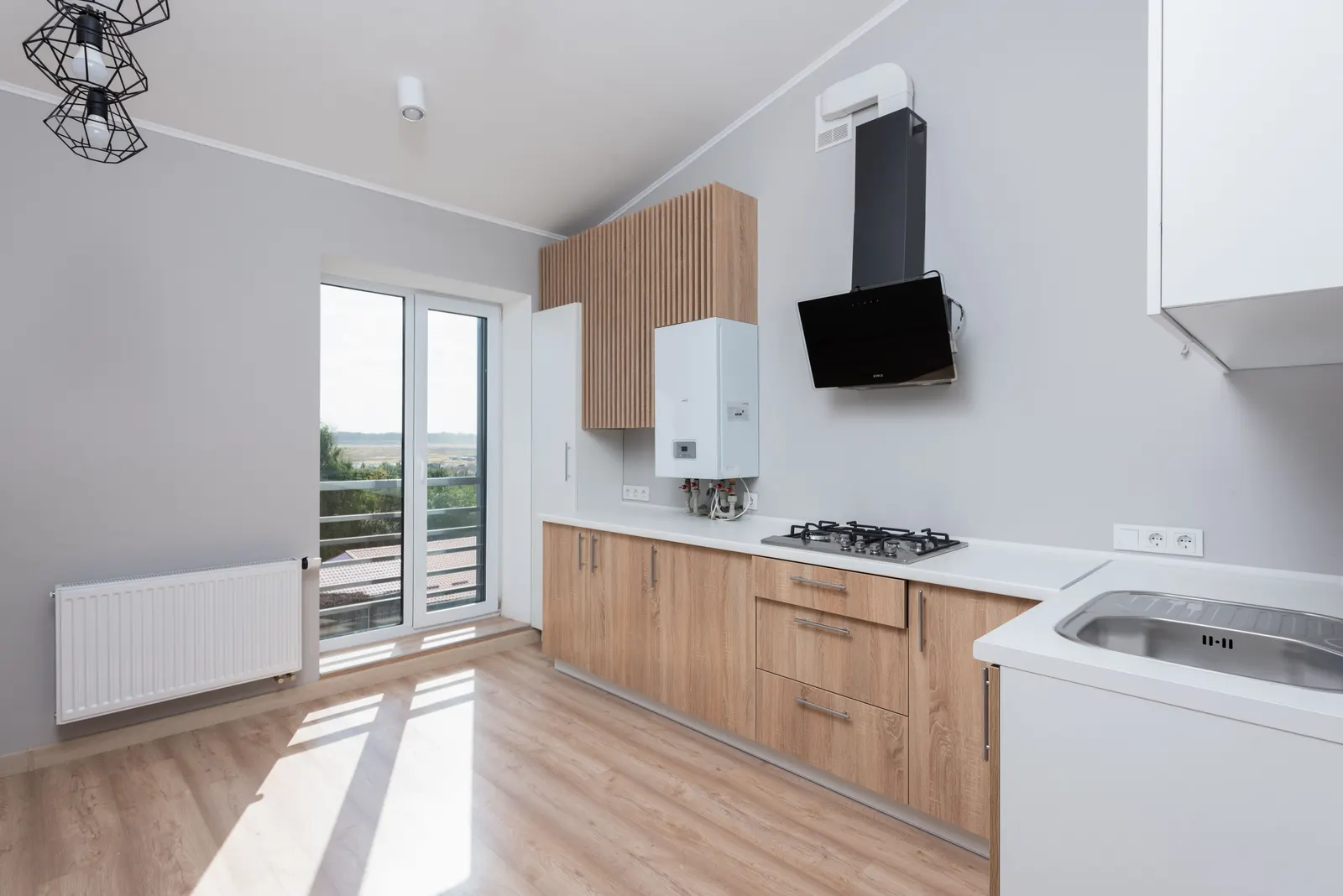
The cleanest way to lower boiler pressure without bleeding radiators is to let a little water out of a drain-off valve, the small square-headed tap found low down on the heating pipework or beside a downstairs radiator. Fit a hose, open it slowly with the system cold, and close it when the gauge reads 1 to 1.5 bar.
Before you drain anything: two checks
First, make sure the system is cold. Pressure readings taken with the heating running are always higher, and draining a hot system to 1 bar leaves it too low once it cools. Turn the heating off and give it an hour or two.
Second, close the filling loop. If the pressure went high because the filling loop valves were left open or are letting water past, draining will only work until the system refills itself. Turn both filling loop valves clockwise until they stop. If you have a braided hose loop, disconnect one end after the valves are shut. If the pressure keeps creeping back up afterwards, see our page on why boiler pressure keeps rising.
Method 1: the drain-off valve (the tidy way)
Most sealed heating systems have at least one drain-off valve, sometimes called a drain cock. It is a small brass tap with a square spindle and a ridged spout for a hose. Look on the pipework at the lowest point of the system, usually downstairs: beside a radiator valve, low on the flow and return pipes near the boiler, or in an airing cupboard. Some radiator valves have one built into the valve body itself.
- Push a length of garden hose firmly onto the spout and run the other end outside, into a drain or into a bucket
- Put an old towel under the valve in case the hose leaks at the spout
- Turn the square spindle anticlockwise slowly with a drain valve key or an adjustable spanner, a quarter turn at a time, until water runs
- Watch the boiler gauge, or have someone else watch it and call out the reading
- Close the spindle clockwise when the needle reaches 1.2 to 1.5 bar, then remove the hose
- Wait ten minutes and check the gauge has settled where you left it
The pressure falls fast from a drain-off valve. Open it only until water runs. Opening it fully on a pressurised system can drop you below 1 bar in seconds, and then you have to top it up again. An old drain-off that has not been turned in years may weep after you close it; if it keeps dripping, leave a bowl under it and have the washer or valve replaced.
Method 2: a radiator valve with a jug and towel
If you cannot find a drain-off valve, a radiator valve can do the same job. This is less tidy, so pick a downstairs radiator on a hard floor if you can.
Leave both radiator valves open. Put a shallow tray and a towel under the nut that joins the lockshield valve to the radiator, the valve at the opposite end from the thermostatic head. Hold the valve body steady with one spanner and turn the nut anticlockwise with a second, a fraction at a time, until water starts to seep past the thread. Because the valves are open, the water coming out is system water, so the gauge falls as it drains. Tighten the nut again once the reading is at 1.2 to 1.5 bar.
This is fiddly, and heating water is black and stains carpets. If you are not confident with a spanner, bleeding the radiator nearest the boiler is the simpler fallback even though it is the method you were hoping to avoid.
How to tell you have got the pressure right
Aim for 1 to 1.5 bar cold. Somewhere in that band is what most combi and system boiler manuals ask for, and the exact figure is often printed on the boiler data plate or in the user guide. Below 1 bar is on the low side, and at around 0.5 bar many boilers lock out with a low-pressure fault, such as F22 on a Vaillant.
Then prove it. Turn the heating back on and let the radiators get fully hot, which usually takes half an hour. The gauge should rise by less than 1 bar and settle below 2 to 2.5 bar. Check again the next morning before the heating starts: the needle should be back at the cold figure you set. If it is, the job is done. If it has climbed, or it shot close to 3 bar when hot, the draining treated a symptom and the cause is still there.
What not to use to let pressure out
The quickest-looking option is the wrong one. The pressure relief valve on the boiler has a small red or black cap or lever, and turning it does drop the pressure. It also tends to lift debris onto the valve seat, after which it never quite closes again and drips through the copper pipe outside the wall. You then have a pressure that falls every day, which is a harder fault to live with than one that is too high.
- Do not twist the pressure relief valve by hand
- Do not remove the boiler casing or open anything inside it
- Do not loosen the automatic air vent on top of the pump
- Do not drain a hot system: scalding water and a false reading
If you can smell gas while you are working near the boiler, stop. Open windows, turn off the gas at the meter if you can reach it safely, avoid switches, then leave and call the National Gas Emergency Service on 0800 111 999.
If the pressure keeps going back up
Lowering the pressure is a fix only when the cause was overfilling. If you are draining off water every few days, something is feeding the system or it has no room to expand. The expansion vessel is the usual part at fault when the pressure jumps only with the heating on. A passing filling loop, or on a combi a cracked plate heat exchanger, is the usual cause when it creeps up even with the heating off. Our boiler pressure too high guide explains how to tell them apart.
Each of those needs a boiler pressure repair visit. The engineer checks the filling loop, measures the expansion vessel charge with the boiler drained and tests the plate heat exchanger. Gas work is carried out by Gas Safe registered engineers.
The £60 call-out gets an engineer to you at any hour, and the repair price is agreed on site before any work starts. See our prices for what the call-out covers.
Questions people ask
Where is the drain-off valve on my heating system?
Look for a small brass tap with a square spindle and a hose spout at the lowest point of the heating pipework. Common spots are beside a downstairs radiator valve, low on the pipes under the boiler, or in the airing cupboard.
How much water do I need to drain to lower the pressure?
Very little. Water does not compress, so on a sealed system letting out a small amount, often well under a bucketful, drops the gauge quickly. That is why a drain-off valve only needs to be opened a little.
Is it safe to lower boiler pressure myself?
Yes, from a drain-off valve or a radiator, with the system cold. The parts to leave alone are the pressure relief valve and anything inside the boiler casing.
Should I turn the boiler off to lower the pressure?
Turn the heating off and let it cool first. You get an accurate cold reading, and you avoid handling hot water. The boiler can stay powered.