Boiler & heating breakdowns
Repair or Replace a Broken Boiler? The Honest Maths
Published
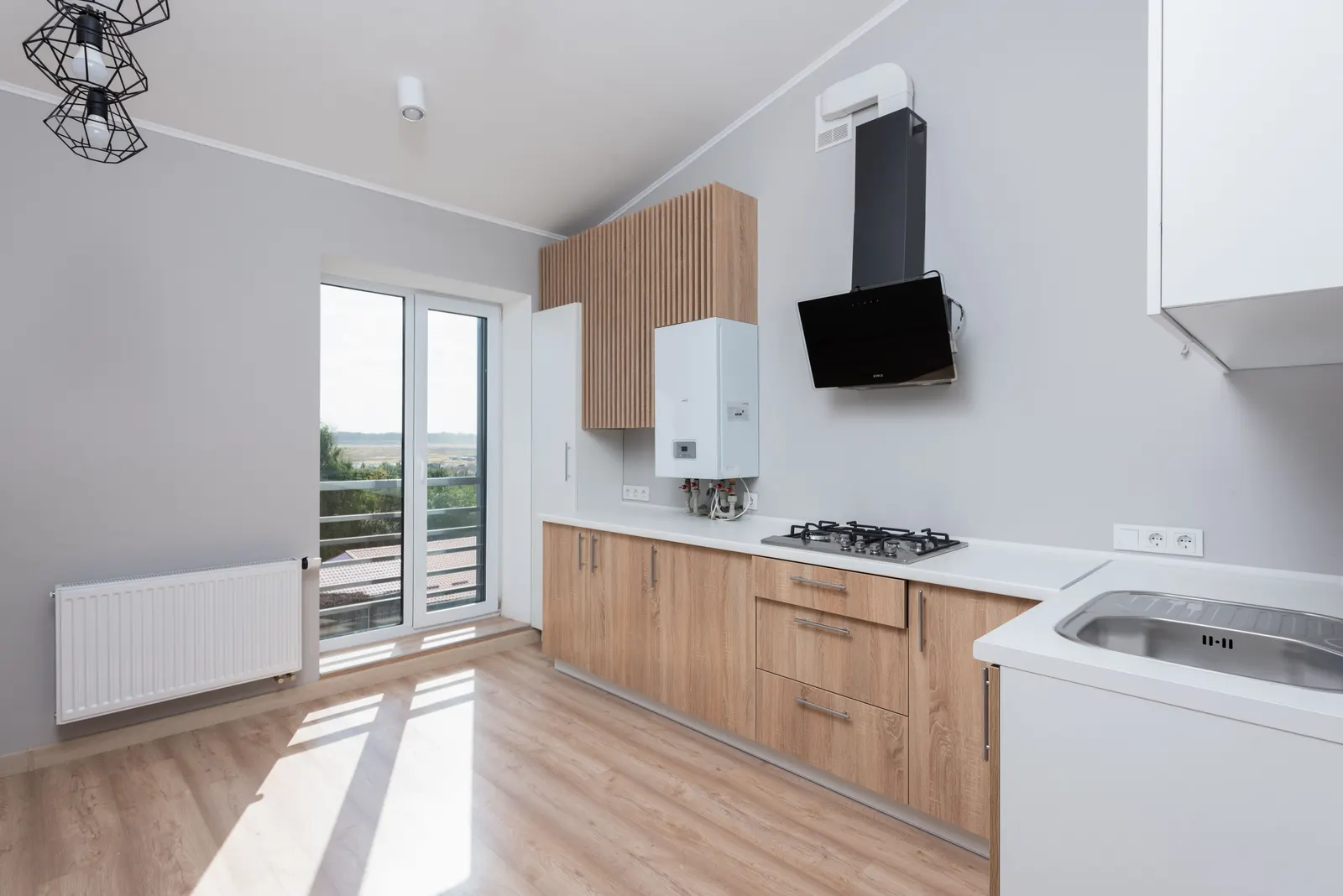
Repair it if the fix costs less than about half the price of a new boiler and the boiler is under roughly 12 years old. A new combi typically costs £1,500 to £3,500 fitted, so most single-part repairs win. Replacement starts to make sense for a failed heat exchanger, repeated breakdowns, or an old non-condensing boiler.
The three numbers you need
The decision comes down to three figures, and you can get all of them before you commit to anything.
First, the repair price. Get the fault diagnosed by a boiler repair engineer and the price agreed in writing, including whether the engineer thinks anything else is close to failing. A boiler that needs a pump today and a board next month is a different proposition from one with a single worn electrode.
Second, the replacement price. Published 2026 price guides put a like-for-like combi swap in the same position at roughly £1,500 to £2,500, a typical mid-range job at £2,500 to £3,500, and a system-to-combi conversion or a boiler moved to a new wall at £4,000 or more. London quotes sit toward the top.
Third, the age and type of the boiler you have. The date is on the data badge, usually inside the lower flap or on the underside, and the model name tells you whether it is a condensing boiler. With very few exceptions, every gas boiler fitted in England and Wales since April 2005 has had to be condensing, so anything older than that probably is not.
The 50% rule, and where it breaks
The usual rule of thumb is simple: if a repair costs more than half the price of a new boiler, and the boiler is past 12 to 15 years, replace it. It is a sound starting point, but it needs two corrections.
It ignores what comes next. A 14-year-old boiler that needs a £350 pump is under the 50% line, but at that age the fan, board and diverter valve are all close to the end of their lives too. If the engineer has seen corrosion, sludge in the water or weeping seals, add a second repair to the sum.
It also ignores parts supply. Once a model has been out of production for years, some parts become hard to get or come only from specialist suppliers, at a higher price and with a longer wait. If your boiler has been off for days waiting for a part before, that cost is real even if it never appears on an invoice.
Going the other way, a boiler that is only 6 or 7 years old is nearly always worth repairing, even for an expensive part, unless the heat exchanger has failed through a manufacturing fault. Check the warranty first, because many newer boilers carry manufacturer warranties of several years, often conditional on a yearly service.
Worked examples with typical market prices
These use typical 2026 London fitted prices from published guides. They are illustrations of the maths, not quotes.
- An 8-year-old Worcester Bosch combi with a failed fan, roughly £260 to £420 fitted. A small fraction of a new boiler, on a boiler with years left. Repair.
- An 11-year-old Vaillant with a diverter valve fault, roughly £230 to £380. Repair, and ask whether the system water is dirty; a filter and a clean may stop the next one.
- A 15-year-old combi with a leaking primary heat exchanger, roughly £500 to £1,200, and often the source of a leaking boiler. That can be a third or more of a new boiler, on a boiler at the end of its expected life. Replace.
- A 20-year-old non-condensing boiler with a failed gas valve, roughly £300 to £550. The repair is under the line, but parts are getting scarce and the boiler wastes a lot of gas. Price both; replacement usually wins.
Anything inside the casing is gas work. Gas work is carried out by Gas Safe registered engineers, and a new boiler must be registered so you receive a Building Regulations compliance certificate.
Will a new boiler pay for itself in lower bills?
Less often than adverts suggest. The Energy Saving Trust puts old G-rated boilers below 70% efficiency and new A-rated condensing boilers at 90% or more on paper. Field trials of installed condensing boilers have measured real-world efficiency below the label figures, so the true gap is smaller than the ratings suggest.
Here is how to run it for your home. Find your annual gas use in kWh on a bill; a medium home uses about 9,500 kWh. Multiply by your unit rate. If you are replacing a non-condensing boiler, a saving of roughly 15 to 20% of that bill is realistic. If you are replacing a 12-year-old condensing boiler with a new one, expect something nearer 5%, because the old one was already condensing.
On 9,500 kWh at about 8p per kWh, that is roughly £115 to £150 a year from a non-condensing swap, and around £40 from a condensing-to-condensing swap. So efficiency alone rarely justifies replacing a working modern boiler. It does tip the balance when an old non-condensing boiler also needs an expensive repair.
When the boiler has broken down tonight
Replacement is not an emergency option. A new boiler needs a survey, a quote, the boiler ordered and a day or more to fit, so even a quick installer usually needs several days. If the house is cold now, the choice tonight is between a repair and a make-safe, not between a repair and a new boiler.
That is why the first step is always a diagnosis. An emergency boiler repair visit tells you what has failed, what it will cost to fix, and whether the engineer thinks the boiler is worth fixing. If it is, it can often be done on the spot. If it is not, you have facts to take to installers instead of guessing.
If the numbers are borderline, a repair that gets you through the winter while you get proper replacement quotes is a reasonable choice. Just go in with your eyes open about what else might fail. What emergency boiler repairs typically cost lists the common parts.
Questions to ask before you decide
A good engineer will answer these plainly. If you get vague answers or pressure to decide on the doorstep, get a second opinion.
- Which part has failed, and why did it fail?
- Is anything else close to failing, and what would that cost?
- Are parts for this model still easy to get?
- Is the system water clean, or does it need flushing before a new part goes in?
- Is the boiler correctly sized for the house, or would a replacement be a different size or type?
- Does a replacement need the flue moved, the gas pipe upgraded or the condensate rerouted? Those add to the price.
Questions people ask
At what age should a boiler be replaced rather than repaired?
There is no fixed age. Most gas boilers last around 10 to 15 years. Past 12 to 15 years, replacement is worth pricing whenever a repair costs more than about half the price of a new boiler, or the boiler keeps breaking down.
How much does it cost to replace a combi boiler?
Typically £1,500 to £2,500 for a like-for-like combi swap in the same place, £2,500 to £3,500 for a mid-range job, and £4,000 or more where the boiler moves or a system boiler is converted to a combi. London prices tend to be at the top.
Is it worth repairing a 15-year-old boiler?
For a cheap part such as an electrode, sensor or pressure relief valve, often yes. For a heat exchanger, gas valve or board, usually not, because other parts are near the end of their life and spares get harder to find.
Can I get a new boiler fitted the same day it breaks?
Rarely. A replacement needs a survey, a quote and the boiler to be ordered, then a day or more to fit. If you have no heating tonight, get the fault diagnosed and made safe first, then decide.