Boiler & heating breakdowns
Boiler Not Working? A 10-Point Check Before You Call
Published
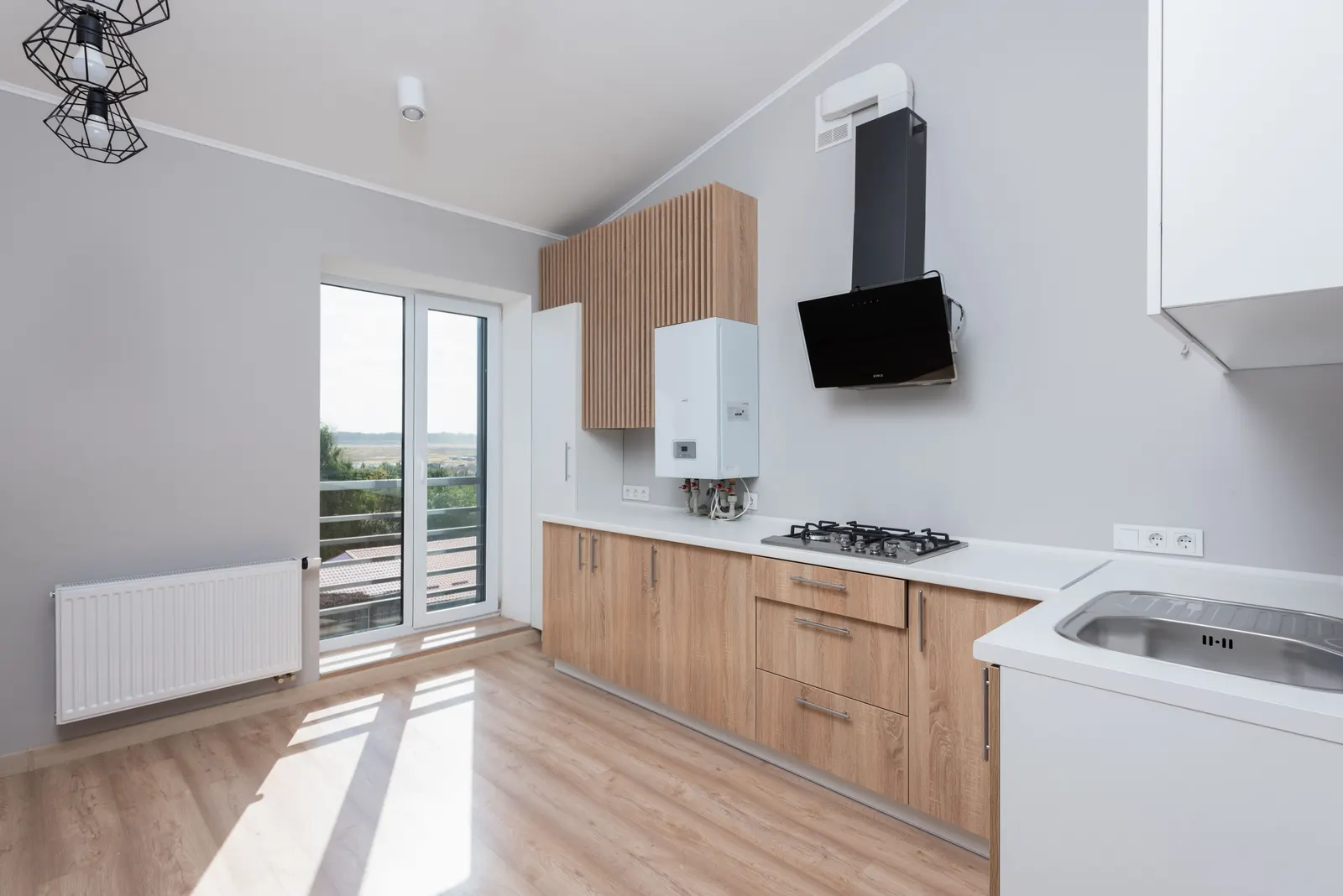
When a boiler is not working, the cause is often outside it: no gas credit, a tripped fused spur, pressure below 1 bar, a flat thermostat battery or a frozen condensate pipe. Work through the ten checks below in order. If none of them brings it back, or a fault code returns after one reset, it needs an engineer.
Before you check anything: two safety questions
If you can smell gas, stop here. Open doors and windows, then turn the gas off at the meter if you can reach it safely; if it is in a cellar, leave it. Do not use light switches or anything electrical. Leave the property and call the National Gas Emergency Service on 0800 111 999.
If anyone in the house has a headache, dizziness, nausea or breathlessness that eases when they go outside, or the boiler flame looks lazy and yellow or there are brown sooty marks around it, treat it as possible carbon monoxide. Open windows, switch the boiler off, get everyone out, call 0800 111 999 and then get medical advice. Our guide to carbon monoxide signs from a boiler covers this in detail.
If neither applies, carry on. Every check below is outside the boiler casing. Keep a pen handy and write down anything the display shows, because it saves time if you do need to call, and if there is no boiler at all because the heat comes from a communal system, use the checks in heat interface unit not working.
Checks 1 to 4: is the boiler getting what it needs?
A boiler needs gas, electricity, water pressure and a way to get rid of condensate. Losing any one of those stops it, and all four can be checked in about ten minutes.
- Check 1, gas: light a gas hob ring. If it will not light, the problem is the supply, not the boiler. On a prepayment meter check the credit, and whether the meter needs a button pressed to reopen after a top-up
- Check 2, the meter valve: the lever on the pipe next to the gas meter should run in line with the pipe. Across the pipe means off, which happens after meter work or if it has been knocked
- Check 3, power: is the display lit? If not, check the fused spur switch next to the boiler, then the consumer unit for a tripped circuit. Do not replace the fuse more than once. A fuse that blows again points to a wiring or component fault
- Check 4, pressure: the gauge should read about 1 to 1.5 bar with the system cold. Below about 0.5 bar many combis stop firing. Top it up with the filling loop and see our guide to boiler pressure at zero if it keeps falling
Checks 5 to 7: what is the boiler telling you?
Once supply is ruled out, the boiler usually tells you what is wrong. It may show a code, a flashing light or a symbol. Read it before you press anything.
- Check 5, the fault code: write it down exactly, including letters. Codes differ by make, so look it up in our boiler fault codes section for your brand
- Check 6, one reset: if the code is a lockout, press and hold the reset button for the time the manual gives, usually a few seconds. Reset once. If it locks out again, stop. Repeated resets never fix the cause
- Check 7, hot water or heating: on a combi, run a hot tap. If hot water works but the radiators stay cold, the boiler itself is firing and the fault is in the controls, the diverter valve or the pump. If neither works, the boiler is not firing at all
If the display shows a lockout code, our page on boiler ignition lockout explains what it means for the first time it happens.
Checks 8 to 10: controls, weather and timing
A boiler can be perfectly healthy and still sit idle because a control is not asking for heat, or because it is cold outside. These last three checks catch that.
- Check 8, the thermostat: turn it at least 3 degrees above the room temperature. Replace the batteries in any wireless or battery thermostat, and check the receiver near the boiler for a no-signal or fault light, which the manual will explain
- Check 9, the programmer clock: after a power cut many timers reset to midnight or lose their programme. Set the time and switch it to constant on or boost to test
- Check 10, the condensate pipe: in freezing weather, find the white or grey plastic pipe running from the boiler to an outside drain. If it is frozen, pour warm, not boiling, water along the outside section, then reset the boiler once
When to stop checking and call
Stop and get an engineer if any of these apply. The boiler locks out again after one reset. The fused spur fuse blows a second time. The pressure drops back below 1 bar within a day of topping up. There is water coming from the boiler casing. You hear banging, screeching or loud clicking with no flame. Or the display shows a code that points to the fan, the gas valve or the circuit board.
Do not remove the casing, adjust the gas valve or try to clean the burner. Everything inside the casing is gas work. The Gas Safety (Installation and Use) Regulations 1998 require anyone doing gas work to be competent, and anyone doing it as a business to be on the Gas Safe Register.
If you have vulnerable people in the house, such as a baby, someone elderly or someone unwell, and it is cold, it is reasonable to treat a dead boiler as an emergency straight away rather than waiting for the morning. Our emergency boiler repair service runs through the night.
What the engineer checks next, and typical costs
An engineer starts where your checklist ended. They read the fault history stored in the boiler, test the gas pressure at the valve, check the fan and flue, test the ignition and flame-sensing electrodes, and measure the pump and diverter valve operation. Gas work is carried out by Gas Safe registered engineers.
As typical UK market ranges, replacing an ignition electrode costs roughly £80 to £200 fitted, a gas valve around £200 to £500 and a main circuit board roughly £350 to £700 depending on the make. On a boiler more than ten years old, a board or heat exchanger failure is the point to compare the repair against replacing the boiler.
The £60 call-out covers getting an engineer to you at any hour, and the repair price is agreed with you on site before work starts. See the cost of an emergency plumber, or read about boiler repairs for non-urgent faults.
Questions people ask
Why is my boiler not working when everything looks normal?
The most common hidden causes are a thermostat asking for no heat, a programmer that reset after a power cut, and a frozen condensate pipe in cold weather. Checks 8 to 10 catch all three.
How many times should I reset my boiler?
Once. If it locks out again, there is a fault the reset cannot fix, and repeated resets can make some faults worse. Note the code and call an engineer.
Is it safe to use a boiler that keeps stopping?
If there is no smell of gas, no sign of carbon monoxide and no water leaking from the casing, a boiler that stops on a fault code is protecting itself. Leave it off after one failed reset rather than repeatedly restarting it.
My boiler display is blank. Is it broken?
Not necessarily. Check the fused spur switch, the fuse in it and the consumer unit first. A blank display with good power reaching the boiler is usually a board or internal fuse fault.