Emergency help & costs
What an Emergency Plumber Can Fix on the First Visit
Published
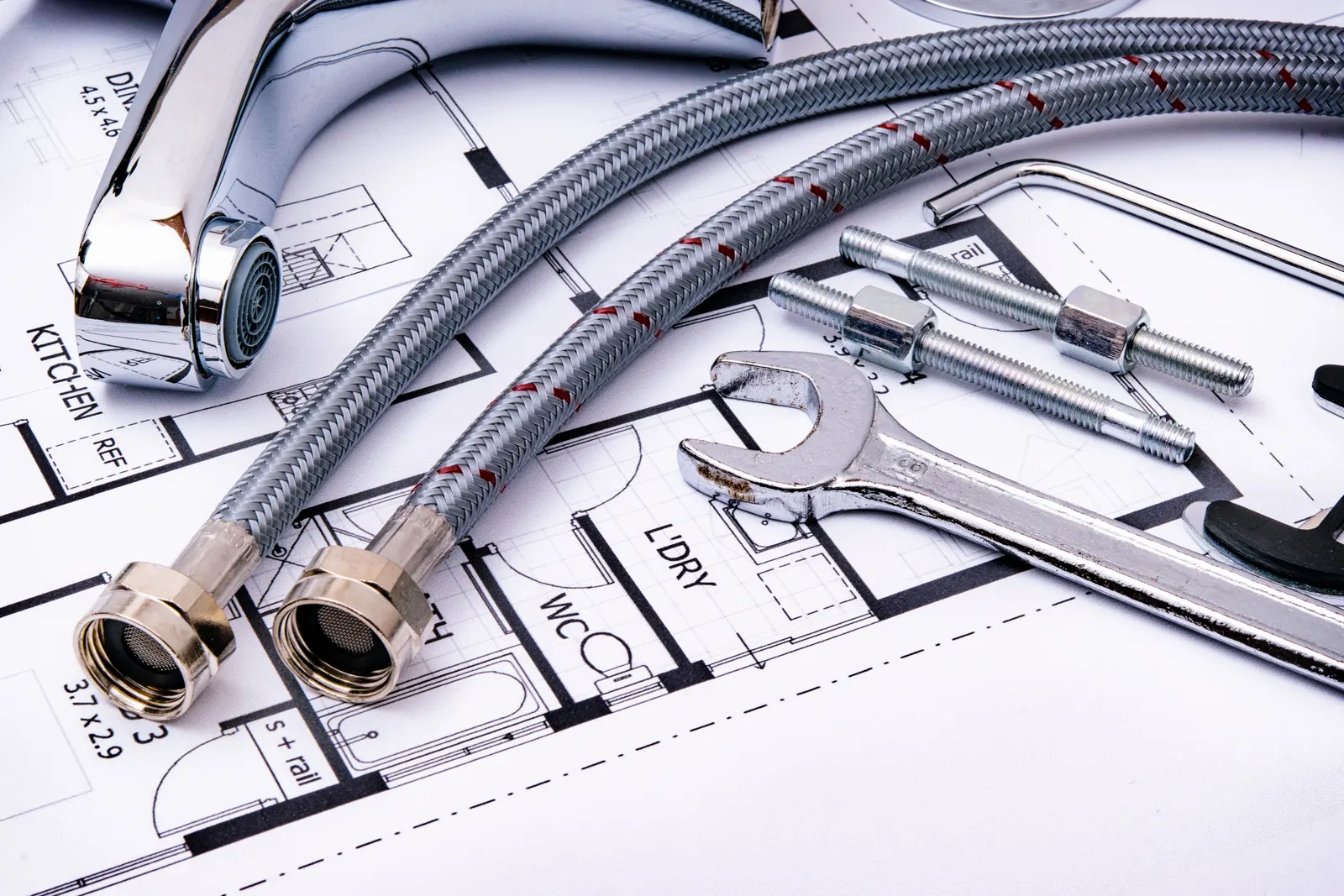
On a first emergency visit a plumber can usually stop any leak, and fully repair most burst pipes, leaking joints, isolating valves, tap cartridges, toilet fill and flush valves and blockages, because those parts are on the van. Boiler faults needing a brand-specific part, and leaks buried in walls or floors, often need a second visit.
What the first visit is for
Every emergency visit has two jobs, in this order: make it safe, then fix it. Making it safe means stopping the water, isolating the part that failed and checking nothing electrical is at risk. Fixing it means a repair that will last, not a clamp and a hope.
Whether both happen on the same visit depends on three things: whether the failed part is a common one carried on the van, whether the plumber can reach it without taking up a floor or opening a wall, and whether the work needs a specific qualification. The sections below sort the usual emergencies by how likely they are to be finished in one trip.
Usually fixed on the first visit
These are the jobs an emergency van is stocked for. Copper pipe in 15mm and 22mm, the two sizes that run most of a home’s water, plus compression and push-fit fittings and slip couplings, cover most leaks on visible domestic pipework.
- A burst or split pipe that you can see and reach: the damaged length is cut out and a new section or repair coupling is fitted, then the system is refilled and tested. See burst pipe emergency repair
- A leaking compression joint or push-fit joint under a sink or behind a toilet: remade or replaced
- A failed isolating valve, or a split flexible tap connector, a frequent cause of a sudden flood under a kitchen sink
- A dripping or running tap: a new ceramic cartridge or washer, provided the tap is a common pattern
- A toilet that runs constantly or will not fill: a replacement fill valve or flush valve, which most vans carry in universal versions
- A blocked toilet or waste pipe that clears with plunging, rodding or a drain auger
- A stopcock that will not close: usually replaced, or a new valve fitted beside it, provided the supply can be shut off at the outside stopcock first
- A radiator valve leaking at the spindle or the joint: the gland repacked or the joint remade, or the valve replaced after draining the radiator
Made safe tonight, fixed on a second visit
Some faults cannot be finished in one trip, but the first visit still earns its place by stopping the damage and getting you some water or heat back where possible.
Boilers are the main example. A plumber or heating engineer can check the pressure, the condensate pipe and the pressure relief valve, and often find the failed component on the first visit. But diverter valves, circuit boards, fans, gas valves and pumps are specific to the make and model, and few vans carry every version. Common parts from the big brands are often available from a merchant the next working day. Until then the engineer may be able to leave you with hot water but no heating, or heating but no hot water, depending on which part failed. Emergency boiler repair explains how that is handled.
Hidden leaks are the other example. A leak under a solid floor, inside a wall or behind a fitted bath can be isolated on the first visit, but finding its exact position and repairing it may mean lifting boards or cutting a hatch, and sometimes a second visit with tracing equipment. Signs of a hidden leak covers what to look for before anyone arrives.
Gas work is carried out by Gas Safe registered engineers. Treat anything inside the boiler casing as a job for a Gas Safe registered engineer, even when the fault turns out to be on the water side.
Jobs that need a specific qualification or someone else
A few emergencies are not a general plumber’s to finish, and it is better to know that before the visit than during it.
- Gas smells and suspected carbon monoxide: open windows, turn off the gas or the appliance if safe, get out and call the National Gas Emergency Service on 0800 111 999 first
- Unvented hot water cylinders: work on the safety devices, such as a leaking pressure relief or temperature relief valve, should be done by someone holding the unvented hot water (G3) qualification
- A leak on the pipe outside your boundary, or on the water main in the street: that is the water company’s to repair; water company leak vs plumber explains where the line falls
- A leak in a block of flats coming from a communal pipe or another flat: a plumber can make your side safe, but a communal pipe is the managing agent’s to repair, and a leak from another flat’s own pipes is that flat’s owner’s
- Electrics that have got wet: an electrician should check them before the power goes back on
How to raise the odds of a one-visit fix
What you say on the phone decides what goes in the van. The more precisely you describe the fault, the more likely the right part is already on board.
- Send a clear photo of the leak, the tap, the valve or the boiler’s fault code if you are asked
- For a boiler, read the make and model off the front panel or the data badge, usually under the front flap
- For a tap or toilet, say whether it is a lever or a turn tap, and whether the toilet has a push button or a handle
- Say whether the pipe is copper, plastic or lead, and whether you can see it or it disappears into a wall or floor
- Tell them if you have already turned the stopcock off and whether it actually stopped the water
What a first visit costs
The £60 call-out covers getting an emergency plumber to you anywhere in London at any hour. The repair price is agreed with you on site before any work starts, so if the fix is a new fill valve or a pipe coupling you know the cost before anything is fitted, and if a part has to be ordered you know that too. See how much an emergency plumber costs, or call out a 24-hour plumber if water is running now.
Questions people ask
Do emergency plumbers carry parts with them?
Yes, for the common failures: copper and plastic pipe, compression and push-fit fittings, isolating valves, tap connectors, cartridges, washers and universal toilet valves. Brand-specific boiler parts are the usual exception and may need ordering.
Will an emergency plumber do a temporary repair?
Sometimes, if a permanent repair means opening a wall or waiting for a part. A temporary repair should stop the leak fully and be reported to you as temporary, with a plan for the permanent fix.
Can an emergency plumber fix my boiler?
They can deal with the water side, such as pressure, leaks from pipework and a frozen condensate pipe. Anything involving the gas or the inside of the boiler is a job for a Gas Safe registered engineer. Gas work is carried out by Gas Safe registered engineers.
What if the plumber cannot fix it on the first visit?
The visit should still leave the home safe: water isolated, the leak stopped and the electrics checked. You should be told what part is needed, roughly when it will arrive and what the second visit will cost before you agree to it.