Boiler fault codes
Vaillant F20 Fault Code: The Overheat Cut-Out Tripped
Published
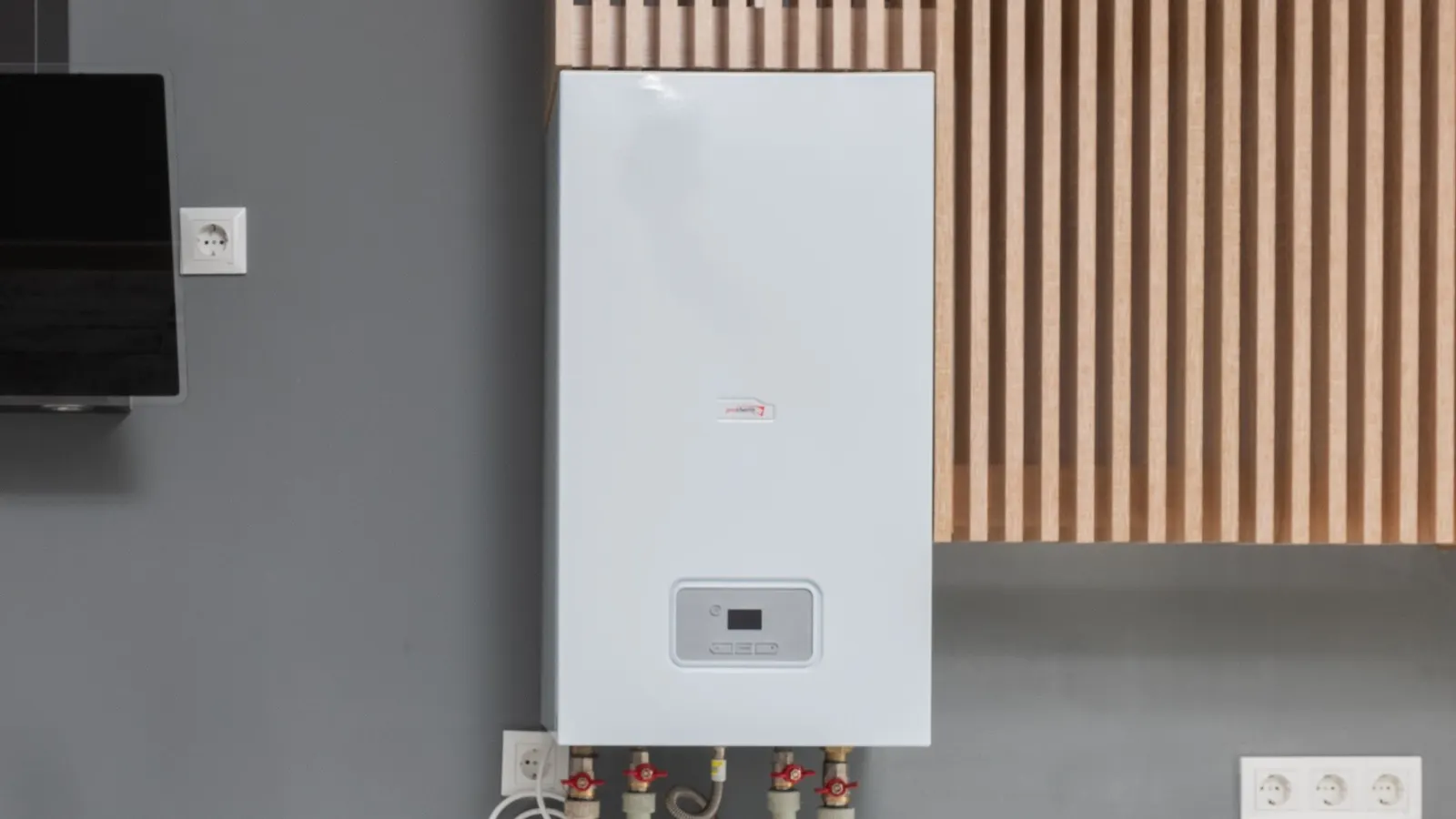
Vaillant display
F20
What it means
The boiler's overheat protection has tripped: the water temperature at the flow or return sensor went over the safety limit, so the boiler closed the gas valve and shut itself off.
Safe to check yourself
- Check the pressure gauge reads between 1 and 1.5 bar with the heating cold, and top up if it is low
- Make sure radiator valves have not all been turned off, for example after decorating
- Wait for the boiler to cool, then press reset once
Call an engineer if
- F20 comes back after one reset
- You hear banging or kettle-like rumbling from the boiler before it cuts out
- Any pipe near the boiler is too hot to touch or a radiator is hissing steam
- You smell gas: open windows, turn off at the meter if safe, no switches, then get out and call 0800 111 999
F20 on a Vaillant boiler means the overheat safety cut-out has operated. The water inside the boiler got hotter than it should, so the boiler locked itself out. One reset after it has cooled is fine. If F20 returns, the cause is usually poor circulation or a sensor, and it needs an engineer.
What trips F20 on a Vaillant?
Vaillant's homeowner guidance links F20 to system pressure below the 1 to 1.5 bar range, poor circulation (the pump, a valve or a blockage), a faulty flow or return temperature sensor or its wiring, the water pressure and volume flow sensors, and the ignition components. It also suggests checking for airlocks and, on systems that have them, that external pumps and zone valves are working. Its installer manual for current ecoTEC plus models describes F.20 as the safety cut-out closing the gas valve because the flow or return sensor went over its limit, and lists low water, sensor wiring, a failed flow or return sensor, the pump, the diverter valve, the water pressure sensor and the volume flow sensor among the causes.
Vaillant's installer manuals, both the older ecoTEC plus one covering models such as the 624, 831 and 837 and the current one, list a less obvious cause as well: a poor earth connection, a loose sensor connection, or stray electrical discharge from the ignition lead or electrode. In other words, F20 is not always real overheating. Sometimes the boiler only thinks it is too hot.
So the sources agree on the meaning. The documents cover both the heating system and the boiler's own sensors and wiring. A good engineer checks both.
What can I safely check before calling anyone?
Start with the gauge. Low pressure reduces circulation, which lets the water in the heat exchanger overheat, so a low reading and F20 often go together. If it is below 1 bar with the heating cold, top it up as described in the Vaillant boiler pressure guide.
Next, think about what changed. If radiators were isolated for decorating, or every thermostatic valve is turned right down on a mild day, water has nowhere to go. Open a couple of radiators fully.
Then let the boiler cool for twenty minutes or so and press reset once. Vaillant's manual says to restart after an overheat shutdown with the reset button, and to call for help if the boiler will not resume normal operation.
Do not keep pressing reset. A boiler that overheats repeatedly is working its safety devices hard, and the fault behind it (a sticking pump, a blocked heat exchanger) gets worse, not better, each time it restarts. Nothing inside the casing is a householder check.
When F20 cannot wait
Loud banging or a rumble like a kettle coming to the boil, followed by F20, means water is boiling in the heat exchanger. That is a circulation fault, commonly a pump that has stopped or sludge restricting the flow. Turn the boiler off at the controls and leave it off until it has been looked at.
The same applies if pipes around the boiler are much hotter than normal, or if you also see F23 or F24. Those codes are the boiler's way of saying the water is not moving properly, and they often travel with F20.
What the engineer does, and typical costs
Expect the engineer to check pressure and circulation first, then the flow and return sensors (called NTC sensors) for seating and resistance, the wiring and earth, the pump and the diverter valve. They will also look at the ignition lead and electrode, since Vaillant lists discharge from them as an F20 cause on both older and current models.
A reseated or replaced temperature sensor is a small repair. A replacement pump, diverter valve or flow sensor is a bigger job, priced once the faulty part is confirmed. If sludge is the root cause, a flush may be recommended as well.
Our visit starts with the £60 call-out, and the repair price is agreed with you on site before any work starts. Book through Vaillant boiler repair.
Questions people ask
Is a Vaillant F20 fault dangerous?
The code itself is the boiler protecting itself, which is what you want. The risk is ignoring it and resetting repeatedly. If it comes back after one reset, leave the boiler off and get it looked at.
Can a thermostat setting cause F20?
Not the room thermostat on its own. What matters is whether water can flow through the boiler. If most radiators are shut off, flow drops and the boiler can overheat, so open some radiators before you reset.