Boiler fault codes
Vaillant F23 Fault Code: Flow and Return Too Far Apart
Published
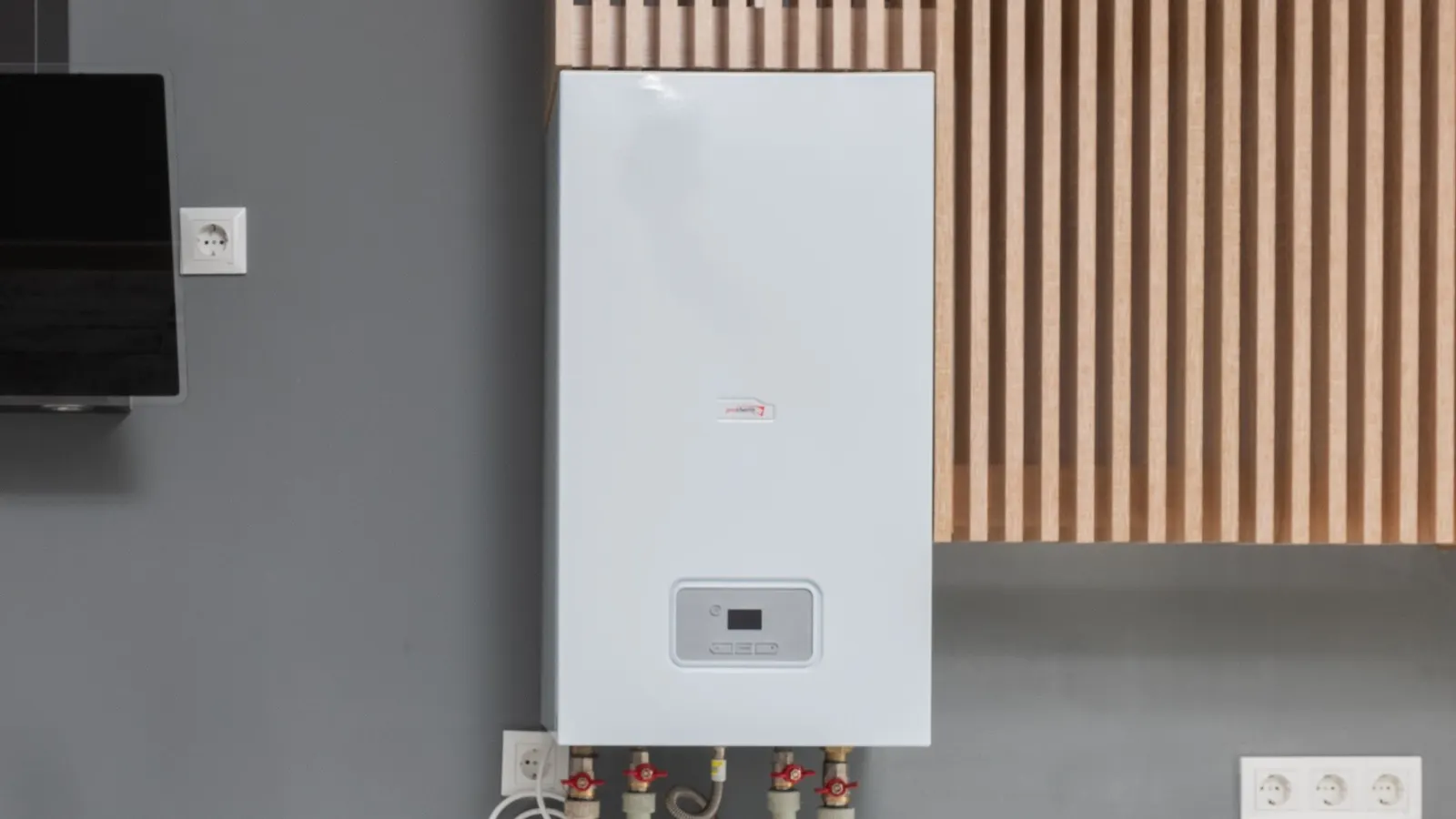
Vaillant display
F23
What it means
The gap between the flow temperature (water leaving the boiler) and the return temperature (water coming back) is too large, which tells the boiler that water is not circulating properly. It shuts down to protect the heat exchanger.
Safe to check yourself
- Check the pressure gauge reads between 1 and 1.5 bar with the heating cold
- Bleed any radiators that are cold at the top, then recheck the pressure
- Make sure radiator valves are open, particularly after decorating or a new radiator
- Press reset once
Call an engineer if
- F23 returns after bleeding, topping up and one reset
- The boiler is humming, buzzing or banging before it locks out
- F23 appeared straight after someone worked on the boiler
- You smell gas: get windows open, turn the gas off at the meter if safe, leave switches alone, and ring 0800 111 999 once outside
F23 on a Vaillant boiler means the temperature spread between flow and return is too great. In plain terms, the water is not moving through the boiler fast enough, so it heats up much more on the way out than it should. Air, low pressure and a struggling pump are the usual causes.
Why does a Vaillant show F23?
The boiler has two temperature sensors, one on the flow pipe and one on the return. With water circulating well, the gap between them stays within a set range. When circulation slows, the water sits in the heat exchanger for longer, picks up more heat, and the gap widens. Past the limit, the boiler shows F23 and stops.
Vaillant's causes for F23 fall into three groups:
- Not enough water moving: air or low water in the heating circuit, sludge restricting flow, a diverter valve that is stuck or faulty, or an internal expansion vessel that has failed.
- The pump: its plug or cable, a seized or weak pump, or pump settings too low for the system.
- The sensors: a faulty flow or return sensor, a fault in its wiring, or the two sensors swapped over, which only happens after someone has worked on the boiler.
What should I check first?
Work through these in order, because each one can cause the next. First the pressure: with the heating cold, the gauge should read between 1 and 1.5 bar. Low water is one of the causes Vaillant lists, so a low reading is the first suspect. Top up if it is low.
Then air. Feel the radiators with the heating on. One that is cold at the top and warm at the bottom has air in it; bleed it with the heating off and a cloth ready, then check the pressure again, as bleeding lowers it. See bleeding radiators with the heating on or off for which way round to do it.
Finally the radiator valves. If several radiators were isolated for decorating, or a new radiator was fitted and never opened fully, the boiler can run short of places to push water.
Then press reset once. If the boiler fires and runs, watch it for a day. If F23 comes back, stop resetting.
The pump, sensors and expansion vessel are all inside the casing. None of them is a householder job, and freeing a stuck pump is not something to try with the casing off.
When F23 needs an engineer
Vaillant's own advice for F23 is to contact a heating engineer, because the code is about how the boiler works with the rest of the heating system. A boiler that locks out with F23 again after you have dealt with pressure and air usually has a pump or blockage problem. Signs that point that way: a hum or buzz from the boiler with no heat, radiators barely warm even when the boiler briefly fires, or a history of black water when radiators are bled, which means sludge.
If F23 appeared right after a service or repair, say so when you book. Swapped sensor connections is one of the causes Vaillant lists, and it is quick to rule out.
What the repair usually involves
The engineer checks pressure and purges air using the boiler's check programme P.0, then tests the pump and its wiring, checks the expansion vessel charge, and tests both temperature sensors. If radiators come out black when bled, they may suggest a flush and a magnetic filter so the new pump does not clog.
Purging air or recharging the expansion vessel is a short job. A new pump is the costly outcome: a complete genuine pump for a recent ecoTEC plus is listed by parts suppliers at roughly £250 to £300 as a part alone, before labour.
Our visit starts with the £60 call-out, and the repair price is agreed with you on site before any work starts. To book, go to Vaillant boiler repair.
Questions people ask
Is F23 the same as F24 on a Vaillant?
They are close relatives. F23 means the gap between flow and return is too large; F24 means the temperature is rising too quickly. Both point to poor circulation, and the checks are the same.
Can I still get hot water with F23 showing?
Usually not. The boiler locks out completely until it is reset, so a combi gives neither heating nor hot water. If you have a cylinder with an immersion heater, that is your backup for hot water.
Could low pressure alone cause F23?
Yes. Low pressure lets air into the system and slows circulation. If your gauge is also low, deal with that first using the F22 low pressure guide.