Boiler fault codes
Vaillant F83 Fault Code: No Heat Registered at Start-Up
Published
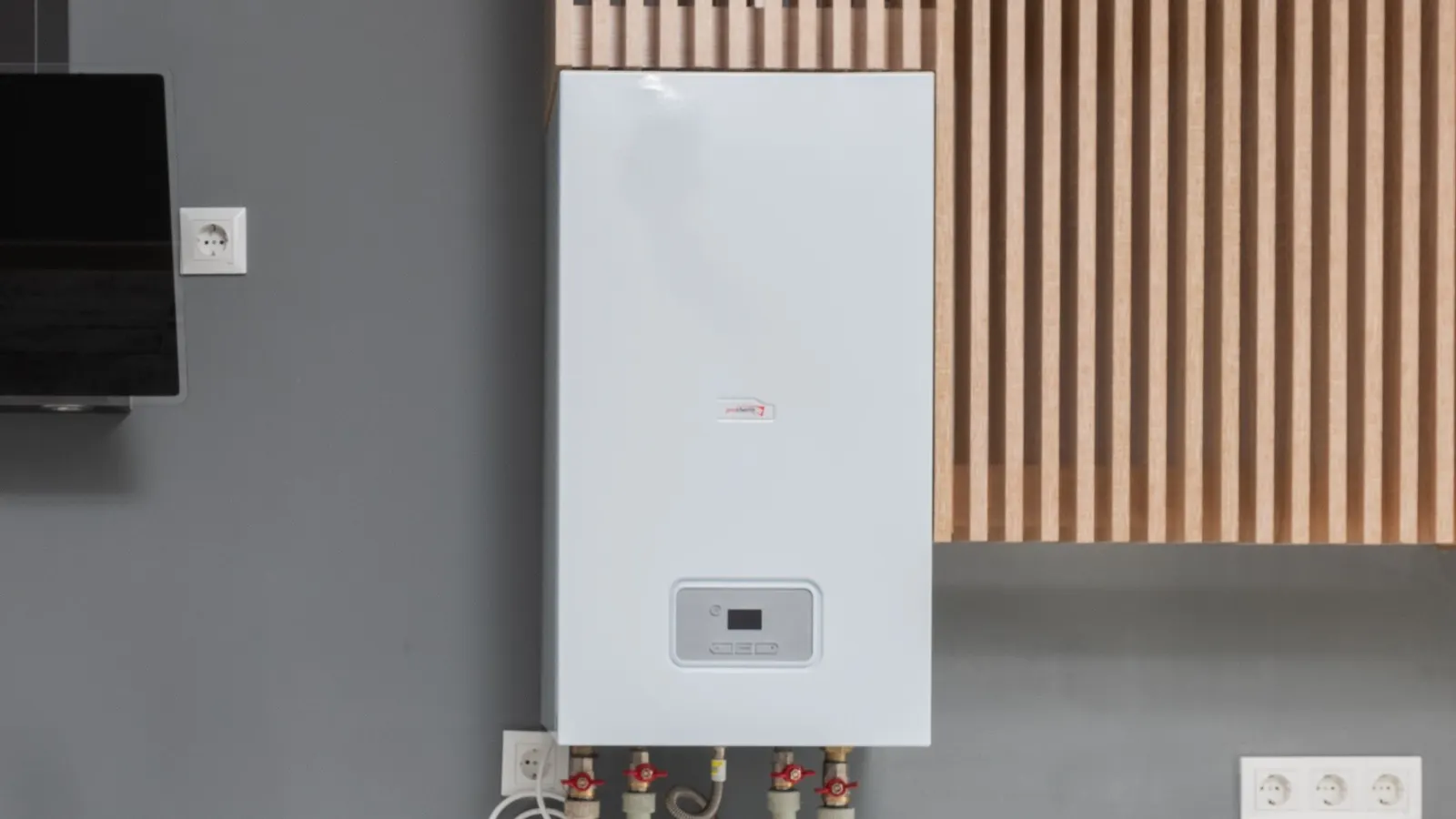
Vaillant display
F83
What it means
F.83 means that when the burner lit, the flow or return temperature sensor registered little or no rise in temperature. The boiler reads that as water not moving through the heat exchanger properly, or a sensor reading wrongly, and shuts down.
Safe to check yourself
- Check the pressure with the system cold; Vaillant recommends at least 1 bar, with about 1.5 bar a typical setting
- Top up slowly with the filling loop if it is under 1 bar
- Make sure radiator valves are open and, on a system boiler, that nothing has been isolated for work
- Bleed radiators if the system was recently drained or refilled, then re-check the pressure
- Press reset once after those checks
Call an engineer if
- F.83 returns with the pressure correct and one reset tried
- The boiler kettles, bangs or roars when it fires
- You have had to top up the pressure more than once in a week
- You smell gas: get windows open, turn off at the meter if it is safe, avoid switches and flames, and call 0800 111 999 from outside
Vaillant fault code F83 means the burner lit but the flow or return temperature sensor saw little or no temperature rise. Vaillant's manuals point to too little water in the boiler or a flow or return sensor not sitting properly on its pipe; poor circulation can have the same effect. Check the pressure and reset once; if it returns, it needs an engineer.
Why would a Vaillant light and then show F83?
When the burner fires, the water in the heat exchanger should warm quickly, and two sensors, one on the flow pipe and one on the return, confirm it. If the reading barely moves, one of two things is happening. Either the water is not where the heat is, because there is too little of it or it is not circulating, or the sensor is not measuring the pipe properly.
The boiler is protecting its heat exchanger from being fired with too little water moving through it, which is why it stops within seconds rather than running on. It is a different check from F.22, which the boiler raises when the pressure sensor reads the system as too low before it gets that far.
Vaillant's installer manuals give two checks for F.83: whether there is enough water in the boiler, and whether the flow and return sensors are working and in firm contact with their pipes. The first is partly something you can check from outside the casing; the second is engineer work.
The checks that are safe to do tonight
Start with pressure, because it is the cause you can fix yourself. With the heating off and the system cold, the reading should be at least 1 bar; Vaillant's installer manuals give 1 to 2 bar as the normal filling range. If it is lower, top it up slowly with the filling loop; our guide to Vaillant boiler pressure shows where the loop is.
Next, think about what has changed. A radiator taken off for decorating with its valves shut, a system drained for a repair, or new radiators fitted can all leave the boiler with nowhere to push water, or with air pockets in the heat exchanger. Open the valves again, bleed the radiators and top up. If the problem started after a cold night, check that pipes in lofts or garages have not frozen.
Then press reset once. If the boiler fires and the radiators start to warm evenly, the likely cause was pressure or air.
Do not open the boiler to look at the temperature sensors or pump. They are behind the casing, next to gas and electrical components.
If F83 keeps returning: pump, blockage or sensor
With the pressure correct, a repeat F.83 usually means a circulation fault or a sensor problem. Signs that point to circulation include radiators that are hot at the top and cold at the bottom (sludge), a boiler that bangs or kettles, and a pump that hums without the pipes warming. Our page on boiler kettling and banging noises explains what those sounds mean.
The flow and return sensors are small thermistors clipped to the pipework. If one has slipped off the pipe, lost its contact or drifted out of calibration, it will under-read and trigger F.83 even though the water is moving. That is one of the cheaper outcomes.
What the engineer does and what it can cost
An engineer will compare each sensor's reading with the actual pipe temperature, check the pump runs and moves water, check the diverter valve and any zone valves, and test for sludge in the heat exchanger and radiators. Re-seating a sensor that has slipped is quick, and a replacement flow or return sensor is typically around £10 to £20 as a part from trade suppliers. A pump or pump head usually runs to well over £100 before labour, and a heavily sludged system may need cleaning before the fault stays away.
For help tonight, Vaillant boiler repair runs 24/7 across London and everywhere inside the M25 for the £60 call-out, and the repair price is agreed with you on site before any work starts. Gas work is carried out by Gas Safe registered engineers.
Questions people ask
What is the difference between F83 and F75 on a Vaillant?
F.75 is raised when the pump starts and the pressure sensor sees no pressure rise. F.83 comes later, once the burner is lit, when the temperature sensors see no heat rise. Both often trace back to low pressure or poor circulation.
Is F83 dangerous?
It is a protective shutdown, so the boiler has already stopped itself. The immediate risk is damage to the boiler, unless you also smell gas or your CO alarm sounds, in which case open windows, turn the gas off at the meter if safe, get outside and call 0800 111 999.
Can a power flush fix F83?
Only when sludge is the cause. If the radiators heat evenly and the pressure holds, a flush will not help and the sensors or pump are more likely.