Boiler & heating breakdowns
Power Flush Cost After a Breakdown: When It Is Worth It
Published
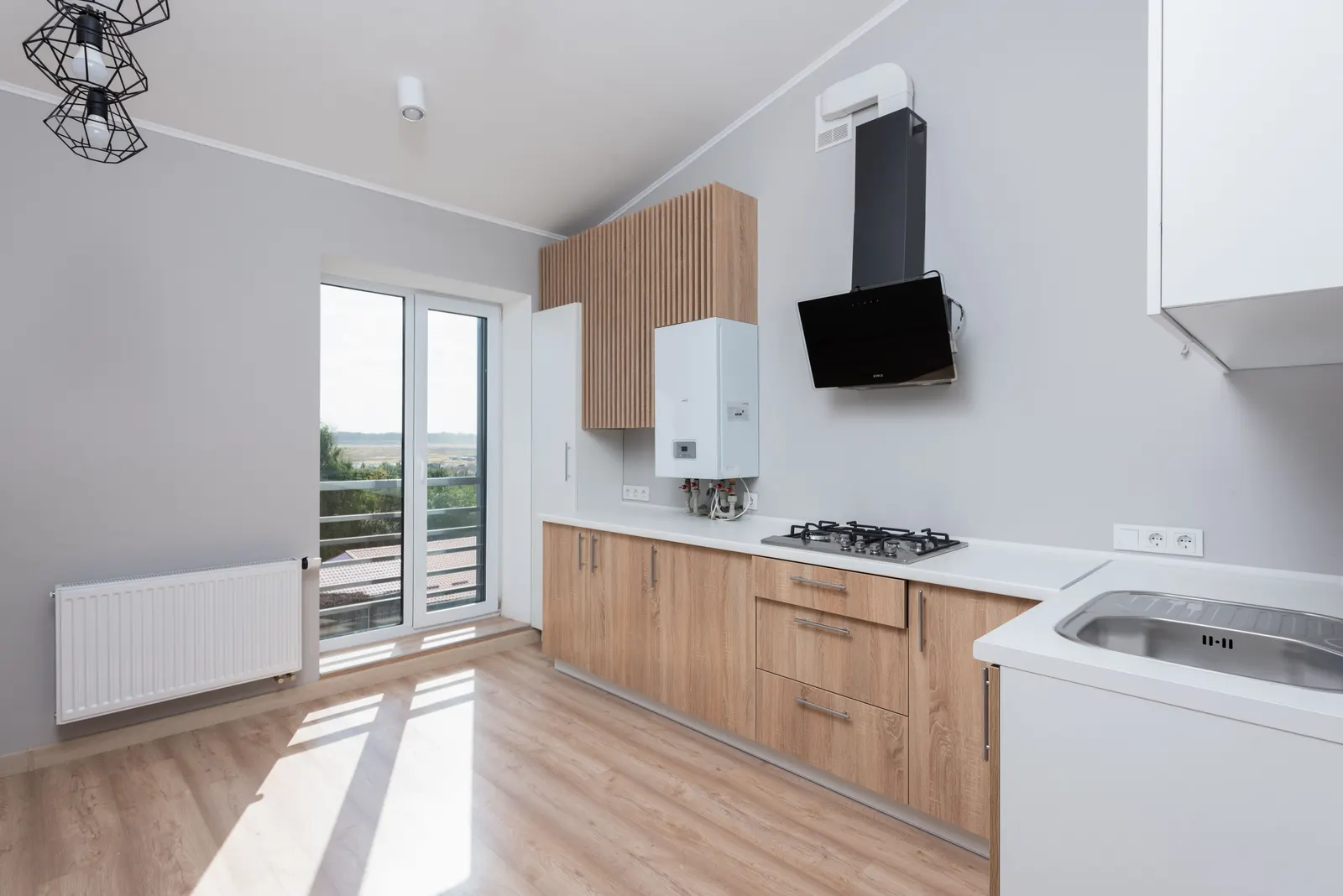
A power flush typically costs from about £300 for a small flat to £800 or more for a large house, based on published UK market ranges, and London prices sit towards the top of those bands. After a breakdown it is worth paying for only when sludge caused the fault: a jammed pump, a blocked heat exchanger or black radiator water. If the fault was electrical or a gas component, you rarely need one.
Did sludge actually cause your breakdown?
Central heating sludge is mostly magnetite, a black iron oxide that forms as steel radiators slowly corrode from the inside, which is why radiator fluid that leaks out black is a warning sign. It settles where water moves slowly and wrecks parts where water moves fast. Some breakdowns are classic sludge damage, and some have nothing to do with it. Ask the engineer which group your fault falls into before you agree to any cleaning.
- Points to sludge: a circulating pump that seized or jammed, a combi plate heat exchanger that blocked (hot water swinging between hot and cold), kettling or overheat lockouts, a diverter valve that sticks, or a magnetic filter packed solid with black paste.
- Also points to sludge: bleed water that comes out black or grey, radiators warm at the top and cold along the bottom, and a system that has never had inhibitor added.
- Does not point to sludge: a failed circuit board, fan, ignition electrode or gas valve, a frozen condensate pipe, or pressure loss from a leak. A flush does nothing for these.
Ask to see the evidence: the old pump, the contents of the filter or a sample of system water in a clear glass. Clean, clear water means a power flush is not the answer to this breakdown.
Power flush, chemical flush or a magnetic filter?
Quotes often lump these three together, but each does a different job. The right one depends on how much sludge is in the system and where it has settled.
A power flush connects a separate high-flow pump to the heating circuit, usually where the circulating pump sits, with the pump head taken off, or across the tails of one radiator. Cleaning chemicals are circulated at speed, the engineer works through the radiators one or two at a time, reverses the flow to dislodge deposits, and dumps the dirty water until it runs clear. Inhibitor goes in at the end. It is a full-day job on most homes.
A chemical flush uses a cleaning chemical circulated by the system’s own pump, then a drain-down and refill with fresh water and inhibitor. It is gentler and cheaper, and suits a system with light sludge that is still circulating well.
A magnetic filter is a canister on the return pipe near the boiler with a strong magnet that catches magnetite as it passes. It protects the boiler from here on, but it does not remove sludge already packed into the bottom of your radiators. On its own it is the right choice for a system that is basically clean.
On a boiler that is staying, the choice is yours to make on the evidence. If the boiler is being replaced, the British Standard for heating water, BS 7593:2019, takes part of the choice away, as the section on new boilers below explains.
How much does a power flush cost?
Published UK cost guides put a power flush in these bands, parts and chemicals included. The number of radiators drives the price more than anything else, because each one has to be worked individually.
- Small flat, up to about 6 radiators: around £300 to £450.
- Two to three bedrooms, 6 to 10 radiators: around £400 to £700.
- Four to five bedrooms, 10 to 15 radiators: around £500 to £800.
- Larger homes with 15 to 20 radiators: around £650 to £1,000.
- Chemical flush instead: roughly £150 to £350 depending on size.
- Magnetic filter, supplied and fitted: roughly £100 to £300.
These are typical UK market ranges from published cost guides, not our prices. Guides that price London and the South East separately put them roughly a fifth to a quarter higher. Jobs usually take between three and nine hours.
What should a power flush quote include?
Two quotes at the same figure can buy very different jobs. Before you agree, ask whether the price covers the cleaning chemical and the inhibitor at the end, whether every radiator is worked individually or the machine is simply run through the whole system, and whether a magnetic filter is included or extra.
Ask where the dirty water goes. It should go to a foul drain such as a toilet or an inside waste, not a road drain or surface water gully that may run straight to a river. A tidy engineer also puts down sheets and checks each radiator valve for weeps as the flow comes back, because a flush can uncover a weak joint that sludge was quietly sealing.
Last, ask what counts as a finished job. The fairest answer is a clear water sample and warm radiators top to bottom, not a fixed number of hours. Our guide to how plumbers quote covers the questions that apply to any price.
When is a power flush not worth it?
Skip it, or at least wait, in these situations.
- One radiator is cold at the top. That is air, not sludge: bleed it and check the pressure afterwards.
- One radiator is cold all over while the rest are fine. A stuck valve pin is far more likely. See one radiator not working.
- The system was flushed in the last few years, the filter is clean at the annual service and the inhibitor test is good.
- The radiators are old, thin and already weeping at the seams. A high-flow flush can turn a pinhole into a leak, so it can make more sense to replace the worst radiators first.
- The boiler is about to be replaced. Do not pay for a standalone flush now and another at installation. The clean belongs in the new boiler quote, as the next section explains. Our repair or replace guide helps with that decision.
Boiler beyond repair: do I need a power flush with a new boiler?
Is a power flush necessary when installing a new boiler? Not always, but a clean of some kind is. BS 7593:2019 expects the system to be cleaned and flushed before the new boiler is commissioned, then dosed with inhibitor and fitted with an in-line filter. Manufacturers build this into their guarantees. Vaillant’s domestic boiler guarantee terms say the boiler must be flushed before first ignition and the water fully treated with inhibitor, and that failing to keep the water clean voids the guarantee. Worcester Bosch tells installers to follow BS 7593 and to cleanse an existing system before the new boiler goes on, then again afterwards before refilling with inhibitor.
The clean protects you after the paperwork too. Worcester Bosch’s guarantee terms exclude damage caused by sludge, scale or blockages, and Vaillant’s make the engineer’s visit chargeable when a failure is traced to contaminated water. If the old boiler died of sludge and the new one is connected to the same dirty water, the next jammed pump or blocked heat exchanger is likely to be your bill.
Which clean you need depends on the state of the water, not on the new boiler:
- A chemical cleanse plus a magnetic filter is usually enough when the old boiler failed for a reason unrelated to sludge (a board, fan or gas valve), bleed water runs clear, every radiator heats evenly and the system has had inhibitor. The installer circulates a cleanser, drains it out completely, refills and doses inhibitor.
- A full power flush is warranted when the sludge signs from the first section are there: black bleed water, radiators cold along the bottom, a filter packed with paste, or a pump or heat exchanger that failed from blockage.
- It is also worth it on older systems with heavily corroded radiators, and on open-vented systems, where the feed and expansion cistern in the loft keeps the water in contact with air. If an open-vented system is being swapped for a combi, the flush should be done before the new boiler is connected, so loosened debris goes to drain and not through the new heat exchanger.
Who pays? You do, through the installation price, so make sure you can see it. Ask for the clean to be itemised in the quote: the method, the cleaner and inhibitor used, whether the filter is included, and what a power flush would add if the water turns out black on the day. Cost guides say a flush done as part of an installation usually costs less than one booked on its own. At handover, check the Benchmark checklist records the cleaning and inhibitor, because that is where a manufacturer looks when you claim.
The boiler is down tonight: what to do first
A power flush is never the emergency part of a breakdown. The emergency is getting heat and hot water back, which usually means freeing or replacing the jammed pump or clearing the blocked heat exchanger. The flush can follow on a weekday once you have compared prices. Be wary of anyone who says the heating cannot be restored tonight unless you agree to a full flush on the spot.
If the repair uncovers heavy sludge, fitting a new pump without cleaning the water is still a reasonable short-term fix, but the new pump will face the same dirty water. Book the clean within weeks, not months. Check the pressure regularly too: a system that keeps needing topping up draws in fresh oxygenated water that feeds corrosion, so fix the cause first. See why a boiler loses pressure every day, and avoid pouring sealer products in before a flush, as covered in our guide to stop leak products.
Book an emergency boiler repair and you pay the £60 call-out. The repair price is agreed with you on site before any work starts, and if the engineer thinks a flush is needed they will show you why. Gas work is carried out by Gas Safe registered engineers. For radiator and pipework faults without a boiler fault, see central heating repair.
If you smell gas, open the windows, turn the gas off at the meter if it is safe to reach, use no switches, and call the National Gas Emergency Service on 0800 111 999 from outside. Never open the boiler casing to look at the pump or heat exchanger yourself.
Questions people ask
How long does a power flush take?
Most homes take a single working day. Published guides put it at three to four hours for a small flat and up to eight or nine hours for a large house with many radiators.
Is a chemical flush as good as a power flush?
For light sludge in a system that still circulates well, yes, and it costs much less. For heavy sludge with cold radiator bottoms or a blocked heat exchanger, a power flush removes more.
Can a power flush damage my heating system?
It can expose weaknesses that were already there. Corroded radiators and tired valves sometimes start to weep once sludge that was sealing them is washed out, so old systems need checking first.
Will a magnetic filter remove existing sludge?
Only what passes through it. Sludge already packed in the bottom of radiators stays there until the system is flushed. The filter then stops new debris reaching the boiler.