Toilets, taps & fixtures
Toilet Not Flushing Properly
Published
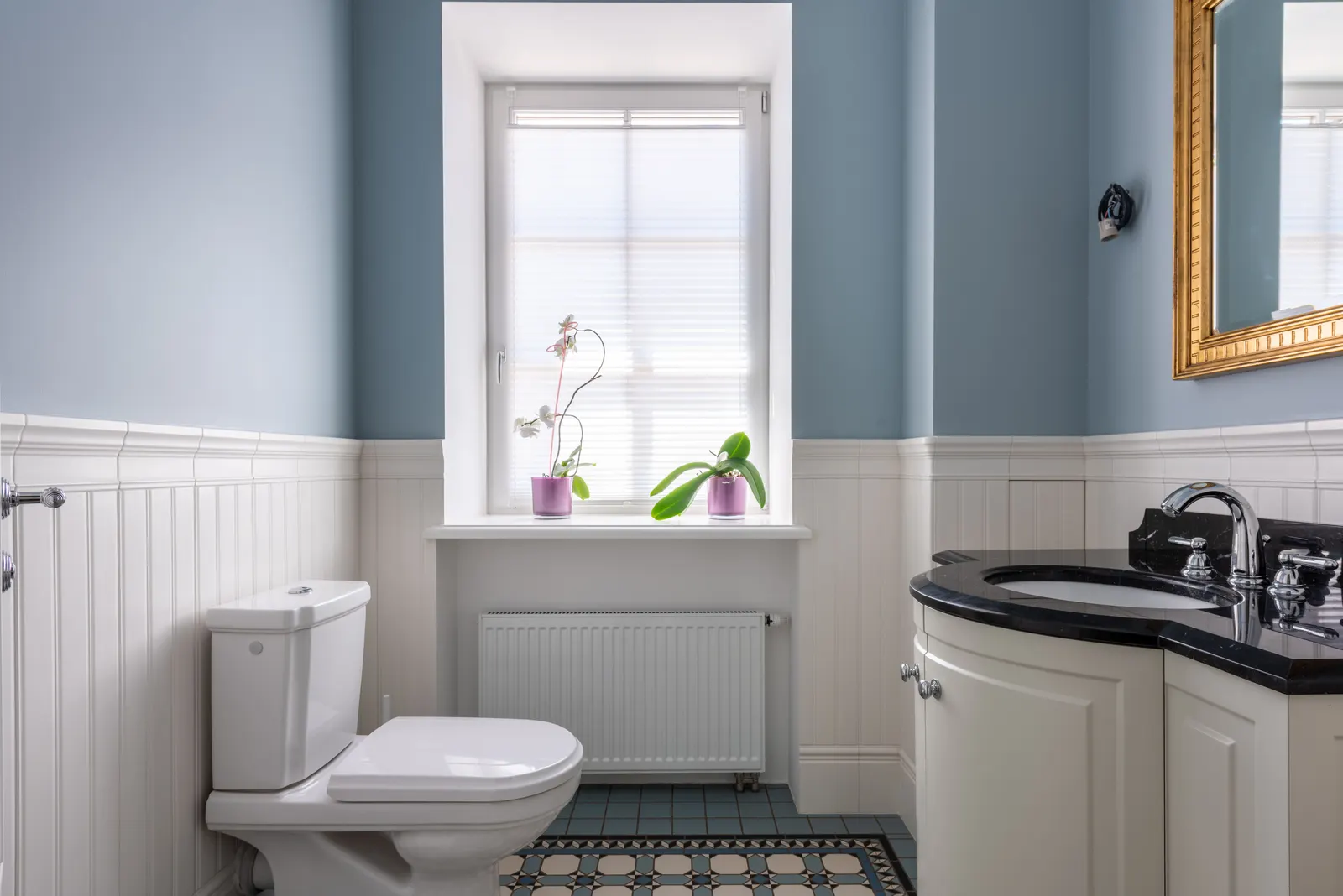
A toilet that flushes weakly or leaves waste behind has one of two problems: the cistern is not releasing enough water, or the pan and drain cannot take it away. Pour a bucket of water into the bowl. If it clears, the fault is in the cistern. If the water rises and drains slowly, there is a blockage.
The bucket test: cistern or drain?
A flush works by dropping a fixed volume of water into the pan quickly enough to push everything through the trap and start it moving down the soil pipe. Under the Water Supply (Water Fittings) Regulations 1999, any WC flushing device fitted since 2001 must give no more than 6 litres in a single flush, so modern toilets have little water to spare. Anything that reduces the volume or slows it down shows up as a poor flush.
Fill a bucket with about 6 litres of water and pour it into the bowl in one steady go, from about waist height. A healthy pan and drain will swirl and clear it with a gulp. If the bucket clears the pan well and the flush does not, the problem is in the cistern. If the bucket also rises in the bowl and drains away slowly, the problem is in the pan, the trap or further down the pipe, and no cistern repair will help.
When the cistern is the problem
Take the lid off and check these in order. They go from the quickest to the most involved.
- Water level. It should be near the moulded water line, about 2 to 3 cm below the top of the overflow. A level set too low delivers a short flush. Raise the float on the fill valve.
- Slow refill. If the cistern takes several minutes to fill, the next flush happens before it is full. That is a fill valve or supply issue, covered in our guide to a toilet not filling with water.
- Button travel. On a push-button toilet, the button pushes a rod or pulls a cable that lifts the flush valve. If the rod is too short or the cable stretched, the valve only half lifts. Most have an adjustment collar or a length setting.
- Dual flush. Check you are pressing the larger button for a full flush. On many dual flush valves the half flush is set to about 3 to 4 litres, which is not meant for solids.
- Lever and siphon. On older lever toilets, a flush that only works after pumping the lever several times means the plastic diaphragm, or flap valve, inside the siphon has split. It is a cheap part but the siphon usually has to come out to replace it.
If the button does nothing at all or feels loose, see a toilet flush button not working.
When the pan or drain is the problem
If the bucket test showed slow draining, there is a partial blockage. The most common are too much paper in one go, wet wipes (including those labelled flushable), cotton buds and sanitary products, or a small object that has lodged in the trap. A plunger designed for toilets, with a flange that seals into the outlet, is the first thing to try. If the water is creeping towards the rim, stop the cistern refilling before you plunge, as set out in a blocked toilet with the water rising. Use slow, firm pushes and pulls rather than violent strokes, which splash and can crack a weakened pan.
If plunging clears the pan but the problem returns within days, the blockage is further down the soil pipe or the drain outside. Lift the cover of the nearest inspection chamber in the garden or at the front of the house if it is safe to do so. A chamber full of standing water points to a drain blockage, and your toilet cannot flush properly until that is cleared. Our blocked toilet unblocking service covers the pan and the pipe beyond it.
In a flat or a shared house, a blockage in the shared drain can affect several toilets at once. In England and Wales, since October 2011, drains that serve more than one property have generally been the water company's responsibility, so a blockage shared with neighbours is worth reporting to them first.
Limescale in the rim and the jet
Water leaves the cistern and enters the pan through a ring of holes or a channel under the rim, and on the less common siphonic pans through a jet near the bottom as well. Hard water leaves limescale in both. When the rim holes block, the water spills weakly down one side of the bowl instead of washing the whole surface, and the flush loses its force.
Look up under the rim with a small mirror. White or brown crust around the holes is limescale. With the water level in the pan lowered by bailing it out, apply a limescale remover under the rim and leave it as the product instructs, then scrub and poke the holes clear with a piece of stiff wire. Rimless pans do not have holes, but the single inlet can scale up in the same way.
Gurgling, slow drain and a blocked vent
A flush needs air behind it. The soil pipe usually has a vent, either through the roof or an air admittance valve inside a boxing, that lets air into the pipe as waste goes down. If the vent is blocked by leaves or a bird's nest, or an air admittance valve has stuck shut, the flush struggles and you may hear the pan gurgle, or see the water level in the bowl bounce after other appliances drain.
Air admittance valves are a push-fit part often hidden in the boxing behind the toilet or in the loft. They can be checked and replaced without roof access. A blocked roof vent needs someone working safely at height. For a toilet on a macerator, which pumps the waste through a small pipe, a weak flush is often the macerator struggling with a blockage or a worn blade. Switch it off at the spur before looking and never put hands inside it.
What an engineer checks, and cost
The engineer repeats the bucket test, then either sets up the cistern (water level, flush valve lift, siphon diaphragm) or works on the blockage with a plunger, a WC auger and, where needed, the drain beyond. Typical London market prices for a cistern flush fault run from about £80 to £150 including parts. A blockage cleared from the pan usually costs similar; a drain blockage outside can cost more.
Book a toilet repair for a cistern fault. The visit is a £60 call-out at any hour, and the repair price is agreed with you on site before any work starts.
Questions people ask
Why is my toilet flush weak all of a sudden?
A sudden change usually means something has shifted: a partial blockage in the trap, a flush cable that has slipped, or a float knocked lower so the cistern holds less water. The bucket test narrows it down in a minute.
Why do I have to hold the flush button down?
The flush valve is not lifting high enough on its own, usually because the button rod or cable needs adjusting. On a lever toilet with a siphon, it means the siphon diaphragm is worn.
Can I make a modern low-flush toilet flush harder?
You can make sure the cistern fills to the correct level and the valve lifts fully, but the Water Supply (Water Fittings) Regulations 1999 limit a new WC to 6 litres per flush. If the pan and drain are clear, a correctly set toilet should clear with that volume.
Do flushable wipes cause poor flushing?
Yes. Wipes do not break down the way toilet paper does. They catch in the trap and the pipe and build up with paper into a partial blockage that slows every flush.