Boiler & heating breakdowns
Boiler Broke Down in Winter With Children or Elderly at Home
Published
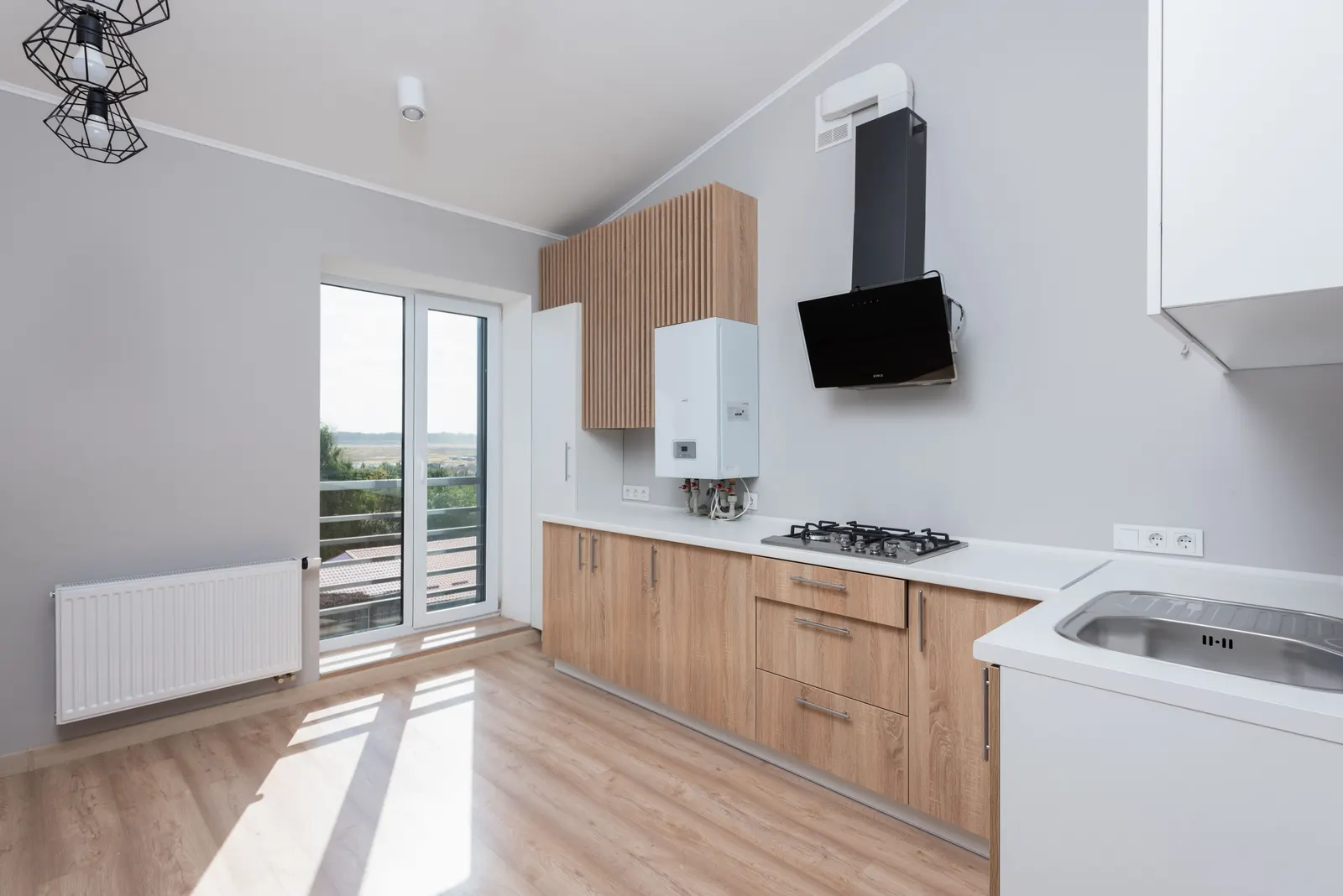
Get one room to at least 18°C with plug-in electric heaters, keep the most vulnerable person in it, and tell whoever you book that a baby, an older person or someone ill is at home. Never heat with a gas cooker or an outdoor heater. If you rent, tell your landlord in writing now.
Why a cold house is more serious for some people
For most healthy adults a night without heating is miserable but not dangerous. It is different for babies, people over 65, anyone with heart or lung disease, and anyone who cannot move around much. Their bodies lose heat faster or struggle to warm back up, and a cold home raises blood pressure and makes chest infections more likely. The UK Health Security Agency advises heating the rooms you use most to at least 18°C, and stresses this for people over 65 and anyone with a health condition.
Babies need a middle ground. The usual guidance for a sleeping baby is a room between 16°C and 20°C, with no hot water bottle or electric blanket in the cot, and no hat indoors. Overheating a baby is a risk too, so a room thermometer helps more than piling on blankets.
So the goal tonight is not to make the whole house warm. It is to keep one room at a safe temperature for the person who needs it, and to get the boiler looked at quickly.
What to do in the first hour
Work through this in order. Low pressure and a frozen condensate pipe are both common winter lockouts you can clear yourself, and every check here is outside the boiler casing.
- Look at the pressure gauge on the front of the boiler. On most sealed systems it should read about 1 to 1.5 bar when cold. If it has dropped towards zero, the boiler will lock out; a boiler at zero pressure explains how to top it up and when not to.
- If there is a fault code or a red light, press the reset button once and wait a few minutes. If it locks out again, stop. Repeated resets can make some faults worse.
- On a condensing boiler, find the thin plastic condensate pipe outside. In a hard frost it can freeze and shut the boiler down. Pouring warm (not boiling) water along it often gets the boiler running again.
- If the display is blank, check the fused spur switch next to the boiler and the fuse box. Then check the thermostat has power and is calling for heat, and that a prepayment gas meter has credit.
- If none of that works, move everyone who needs warmth into one room and close its door, then book the repair.
If you smell gas, or anyone has a headache, dizziness or sickness that eases when they leave the house, open the windows, turn the gas off at the meter if you safely can, avoid switches, get everyone outside, call the National Gas Emergency Service on 0800 111 999, then seek medical advice. Do not touch the boiler again. If someone is very cold to the touch, unusually drowsy or confused, call 999; for health advice that is not an emergency, call NHS 111.
Keeping one room warm safely tonight
Electric heaters are the answer until the boiler is fixed. An oil-filled radiator is the safest choice around small children and older people because it has no exposed element and holds its heat. A fan heater warms a room fastest. Either way, plug the heater straight into a wall socket rather than an extension lead, keep it a metre from curtains, bedding and furniture, and switch it off before everyone sleeps; if it must stay on, use an oil-filled radiator with a thermostat and tip-over cut-out.
Running cost is easy to work out. A heater rated at 2 kW uses 2 units of electricity an hour on full power, so multiply your unit rate from your bill by two. A thermostat-controlled heater will cycle on and off once the room is warm and cost less than that.
The rest is simple and it works: thick curtains closed at dusk, a draught excluder at the door, several thin layers rather than one thick jumper, warm drinks and at least one hot meal. For adults, a hot water bottle or electric blanket helps, but not for babies or anyone who cannot feel heat properly, such as people with diabetic neuropathy.
Never try to heat a room with a gas cooker or hob, a camping stove, a barbecue or a patio heater. They produce carbon monoxide, and the people most at risk from the cold are also the most at risk from CO. The signs of carbon monoxide from a boiler are worth knowing if you have any gas appliance in the house.
Can you get priority for a broken boiler?
There is no legal queue that moves a household to the front because of who lives there. What exists is a mix of schemes that work for some situations and not others, and it helps to know which is which.
The Priority Services Register, run through energy suppliers and the gas and electricity networks, is free for people of pension age, households with children under five, and people with a disability, a long-term illness or a medical need. It gives backup heating and cooking help when the gas supply to the street is cut off. It does not cover your own boiler breaking down. It is still worth joining, because a winter gas main repair is exactly when it helps, and water companies keep a separate register, which priority plumbing help for vulnerable households explains.
Some home emergency policies and manufacturer warranties prioritise vulnerable customers, but each sets its own rules. Say clearly on the phone who is in the house and ask whether that changes how soon an engineer can come.
With a private engineer, the same applies. Tell whoever you call that there is a baby, an older person or someone ill at home. It is the most useful single fact you can give, because it can decide whether a job is fitted in tonight or left until morning. Our emergency boiler repair visits run 24/7 across London and inside the M25 on the £60 call-out.
If you rent: what your landlord has to do
Under section 11 of the Landlord and Tenant Act 1985, a landlord must keep the installations for heating and hot water in repair and working. The clock starts when they are told, so report the breakdown in writing, by email or text, as soon as you can, and say who in the household is vulnerable. That detail matters to how quickly a reasonable landlord is expected to act.
If the landlord will not respond, a council environmental health team can inspect privately rented homes under the Housing Health and Safety Rating System, where excess cold is one of the listed hazards. Council and housing association tenants should use the emergency repairs line, not the standard repairs form. How long a landlord has to fix a boiler goes through the timescales and what to do if they are missed.
Do not pay for a repair yourself and expect a refund unless the landlord agrees to it first, in writing. If you cannot reach them at all and someone in the house is at real risk, keep every message and receipt, and get advice from Shelter or Citizens Advice before you take anything off the rent.
What the engineer will do when they arrive
Start by telling the engineer what you have already checked, what the display showed and whether the boiler died suddenly or had been struggling. That shortens the diagnosis.
They will check the gas supply and the flue first, then read the fault history and test the components the code points to. In winter the common culprits are a frozen condensate pipe, low pressure from a slow leak, a failed ignition electrode or flame sensor, a seized pump after the heating sat off all summer, and a failing fan or circuit board. Why a boiler locks out on ignition covers the most frequent of those.
If the part is on the van, the fix usually happens on the same visit. If it has to be ordered, ask for the boiler to be left running in a limited mode if that is safe, for example hot water only on some combis, or at least for a clear date for the return visit. The repair price is agreed with you on site before any work starts.
Gas work is carried out by Gas Safe registered engineers. Nothing inside the boiler casing is a householder job, however simple it looks in a video.
Questions people ask
What temperature is too cold for an elderly person at home?
The UK Health Security Agency advises keeping the rooms you use most at 18°C or above, particularly for anyone over 65 or with a health condition. Below that, the risk of chest infections, heart attacks and strokes goes up.
How cold is too cold for a baby overnight?
Aim for a room between 16°C and 20°C for a sleeping baby. Use a room thermometer, dress the baby in layers or a sleeping bag of the right tog, and never use a hot water bottle or electric blanket in the cot.
Does the Priority Services Register cover a broken boiler?
No. The register helps when the gas or electricity supply itself is interrupted, for example backup heating during a gas main repair. A fault with your own boiler is a private repair, so it goes to your landlord, your cover provider or an engineer you call.
Is it safe to use the gas oven to warm the kitchen?
No. A gas oven or hob left on to heat a room can produce carbon monoxide and uses up oxygen. Use a plug-in electric heater instead, placed away from bedding and curtains.