Boiler & heating breakdowns
Boiler Ignition Lockout: Why It Happens and How to Reset
Published
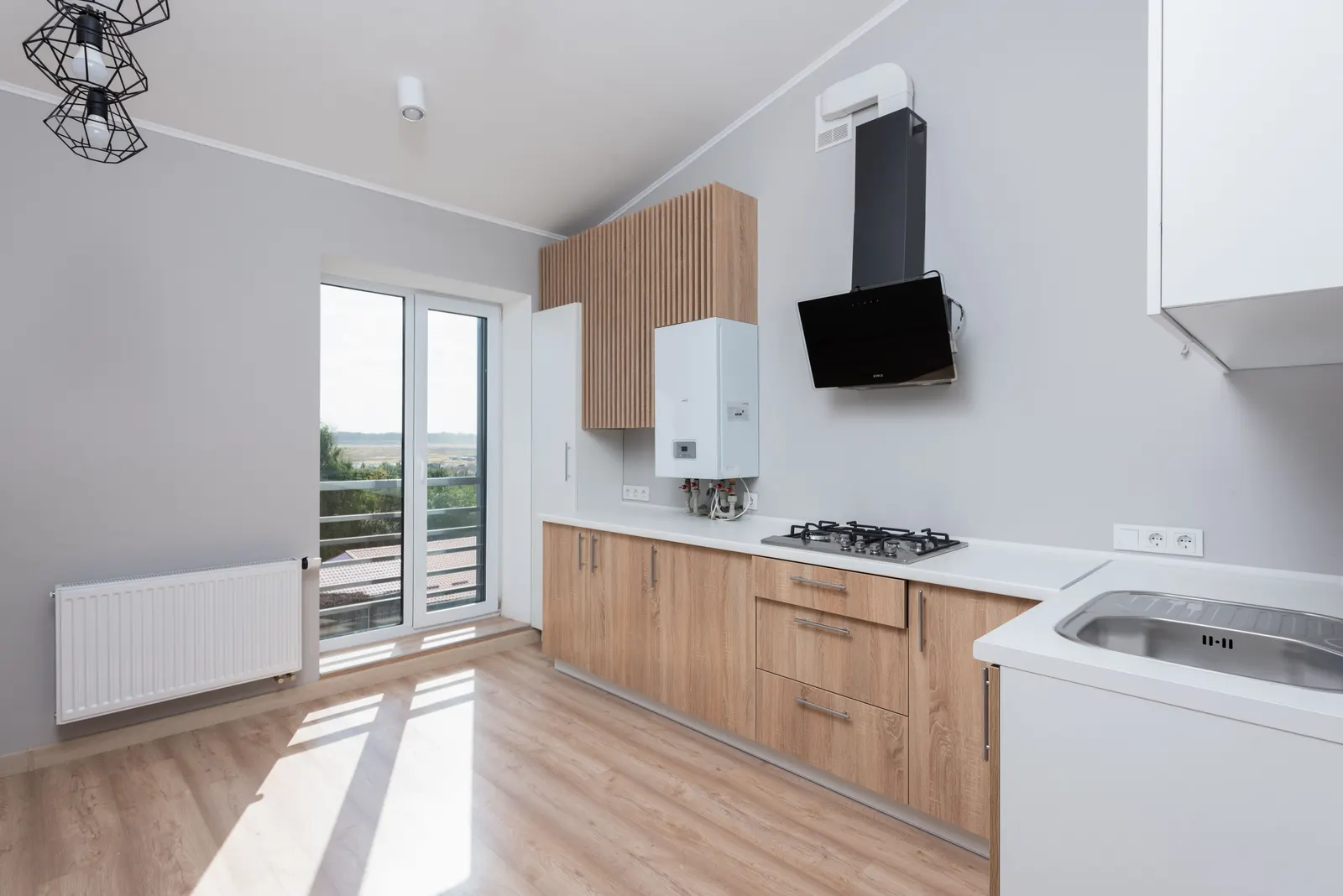
An ignition lockout means the boiler tried to light, its flame sensor saw no flame, and it shut the gas off and locked itself until someone resets it. The lockout itself is a safety feature. A first lockout is often caused by the gas supply or a frozen condensate pipe. Check those, then reset once.
What an ignition lockout actually is
When your boiler starts, it opens the gas valve and sparks the electrode. The flame sensor, which on many boilers is the same electrode that sparks, then has a few seconds to prove a flame is burning. If it does not, the boiler closes the gas valve so unburnt gas never builds up. Most boilers make a few attempts in a row. When they all fail, the board stops trying and holds the boiler in lockout.
The key difference from other faults is that a lockout will not clear itself. Turning the power off and on may not clear it either. It needs the reset button, which is deliberate: the manufacturer wants a person to look before the boiler tries again.
So an ignition lockout tells you one thing clearly. The boiler could not get or prove a flame. It does not yet tell you why.
What the lockout code looks like on your boiler
Each make shows it differently. These are the common ones for failing to light or losing the flame.
- Vaillant: F28 for failing to light at start-up, and F29 for the flame going out while running
- Worcester Bosch: EA 227, no flame detected
- Ideal: L2 on the Logic range for ignition lockout, or F2 for flame loss
- Baxi: E133, interruption of the gas supply or flame failure, shown as E1 then 33 on a two-digit display
If your boiler shows a different code, look it up for your make and model before resetting. Some codes look similar but mean overheating or a fan fault, which should not be reset repeatedly.
Why it locks out the first time
A boiler that has run fine for months and suddenly locks out once has usually lost something from outside. These are the causes to check first, in this order.
Gas supply. Light a gas hob ring. If it will not light, the boiler had no gas. On a prepayment meter, check the credit and whether the meter needs a button pressed after topping up. Check the lever by the meter runs along the pipe. After a meter change or gas works in the street, air can sit in the pipe, and the first few ignition attempts fail until the gas reaches the burner. One reset usually clears that.
Frozen condensate pipe. In a cold snap, this is one of the most common causes. The plastic pipe carrying condensate from the boiler to a drain freezes outside, the water backs up and the boiler locks out, often with a gurgling sound first. Pour warm water, not boiling, along the outside section until it runs clear, then reset.
Power interruption. A brief power cut in the middle of the start sequence can leave some boilers in lockout. If you have had flickering lights or a trip, that is a likely explanation.
How to reset an ignition lockout safely
Once you have ruled out the causes above, reset once. The button is usually marked with a flame, a flame with a cross, or the word reset. Hold it for the time given in the user manual, usually a few seconds, until the display changes. Some newer models reset from a menu on the display rather than a button, so check the manual if you cannot find one.
Then give it a few minutes. Ask for heat with the thermostat or run a hot tap, and listen. You should hear the fan, a few clicks and the burner lighting. If it runs normally for the rest of the day, it was likely a one-off supply issue.
Reset once. If it locks out again, the boiler has found a real fault. If you smell gas at any point, stop resetting, open the windows, shut the meter valve if you can reach it safely, use no switches, and call 0800 111 999 from outside.
When the lockout keeps coming back
A second lockout within hours or days, with the gas and condensate checks fine, points inside the boiler. The usual causes are a worn or dirty ignition electrode, a flame sensor that can no longer read the flame, a gas valve that is not opening fully, a blocked flue or air intake, or low gas pressure reaching the burner. Less often it is the spark generator or the main circuit board.
Before you call, write down the exact code, how many times it has locked out, whether it happens on heating, hot water or both, and whether it started after a frost, a power cut or work on the gas meter. Those details narrow the likely part before anyone arrives.
None of these are householder repairs. They need the casing off and gas measurements taken, which is gas work. Our page on a boiler not firing up covers the full list of ignition faults if you want to understand what the engineer is looking for.
What an engineer does, and typical costs
On an emergency boiler repair visit the engineer reads the fault history, measures the working gas pressure at the boiler, checks the flue and condensate route, and watches a full start cycle. They measure the flame signal before deciding whether the electrode, gas valve or board is at fault. Gas work is carried out by Gas Safe registered engineers.
As typical UK market ranges, an ignition or flame-sensing electrode is usually about £80 to £200 fitted and a gas valve replacement more, often roughly £150 to £400 depending on the boiler. If the condensate pipe keeps freezing, the lasting fix is rerouting it indoors or upsizing and insulating the outside run, which is a modest job.
The £60 call-out gets an engineer to you at any hour, and the repair price is agreed with you on site before work starts. See how much a call-out costs.
Questions people ask
What causes ignition lockout on a boiler?
The boiler could not light or could not prove its flame. A first lockout is often gas supply or a frozen condensate pipe. Repeat lockouts usually mean a worn electrode, gas valve or flue problem.
How many times can I reset a boiler lockout?
Once, after checking the gas and condensate pipe. If it locks out again, stop and call an engineer. Repeated resets do not fix the cause.
Is ignition lockout dangerous?
The lockout itself is the boiler keeping you safe by shutting off the gas. It becomes a concern only if you smell gas, in which case ventilate, turn the gas off at the meter if safe, get out and call 0800 111 999.
Why does my boiler lock out in cold weather?
Almost always a frozen condensate pipe. Thaw the outside section with warm water, then reset. If it happens every winter, have the pipe rerouted or insulated.