Boiler & heating breakdowns
Boiler Humming Noise
Published
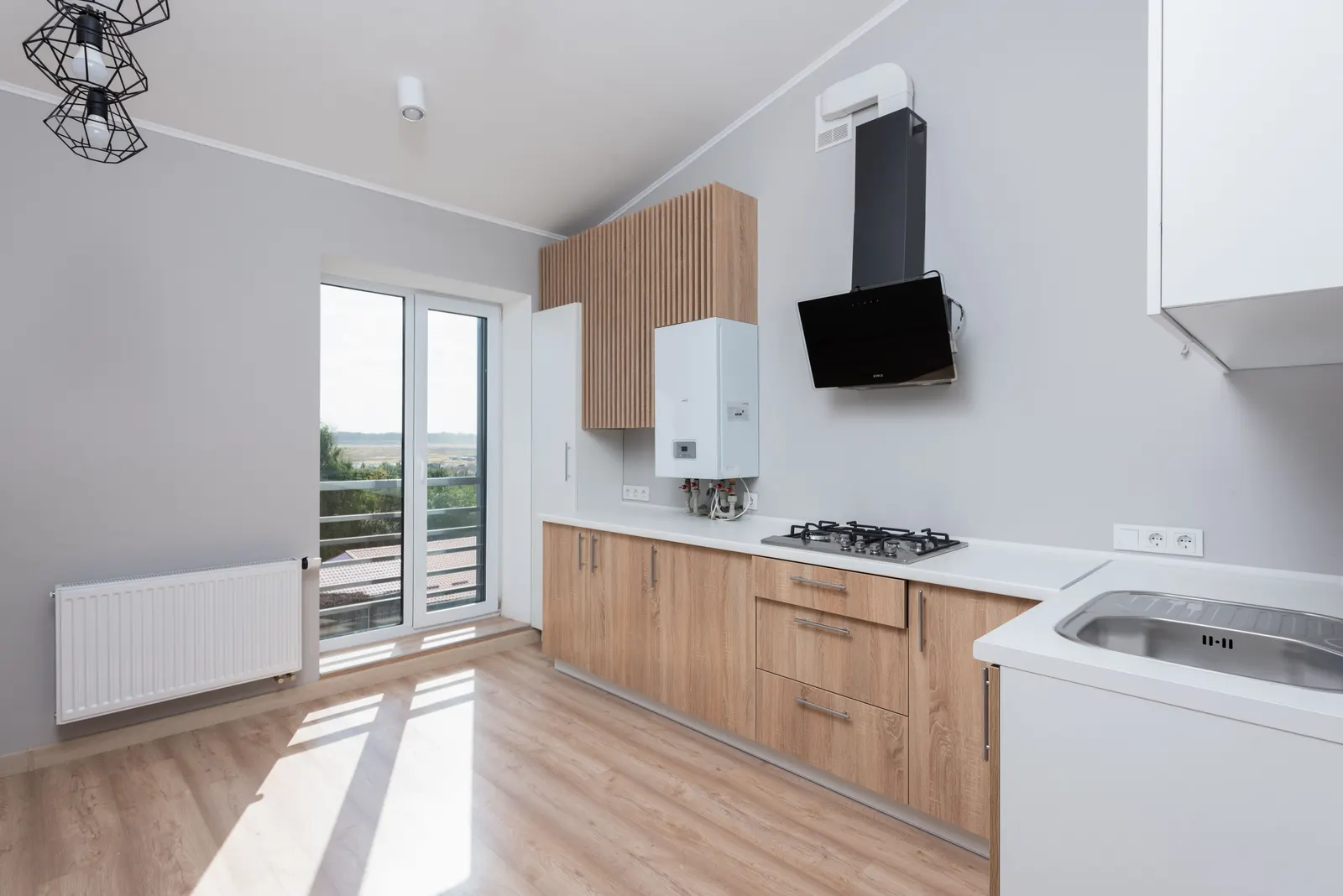
A boiler that hums is nearly always the circulating pump: set too fast, running with air in it, or starting to wear. Other causes are high flow through closed radiators, a vibrating pipe or panel, and electrical hum from the gas valve or fan. A steady hum is rarely urgent; a hum that turns into grinding is.
What is the humming coming from?
A hum is a low, even tone rather than a bang or a whistle, and it usually means something is vibrating at a steady speed. In a boiler there are only a few parts that spin or buzz: the circulating pump, the fan and the gas valve. Pipes and panels can pick that vibration up and make it louder, which is why a hum sometimes seems to come from the wall or the floor rather than the boiler.
Timing narrows it down. Listen for whether the hum starts with the heating, with the hot water, or all the time the boiler has power.
- Hum only while the heating runs, loudest at the pump: the pump, usually its speed setting or air
- Hum as the boiler starts and stops, with a rush of air: the fan
- A faint electrical buzz while the burner is lit: the gas valve or its solenoid, sometimes normal and sometimes a sign it is on its way out
- Hum that comes and goes as radiators warm up and their valves close: too much flow through too few radiators
- Hum that stops when you press a hand on the casing or a pipe: something loose, not something broken
Pump speed, air and flow: the three common causes
Many older external pumps, the kind fitted on the pipework in an airing cupboard or next to a regular boiler, have a dial with settings marked I, II and III, or 1 to 3. Installers often leave them on the top setting. That pushes water round faster than the system needs, and the result is a constant hum and a rushing sound in the pipes. Newer high-efficiency pumps usually have electronic modes chosen with a button rather than a simple dial, and pumps built into combi boilers are set inside the casing, so leave those to the engineer.
Air is the next cause. Pumps are designed to move water, not a mixture of water and air, and they hum and rattle when air gets into them. Air tends to get in after a system is drained, when pressure drops, or after a radiator has been fitted or moved. Bleeding the radiators and bringing the pressure back to 1 to 1.5 bar cold often ends the noise.
The third cause is flow with nowhere to go. When thermostatic radiator valves close as rooms warm up, the pump is still pushing water. Systems with TRVs on every radiator need a bypass so water can still circulate: many modern boilers have one built in, and others need an automatic bypass valve fitted near the boiler. If the bypass is missing, stuck or set wrong, you get a hum or a whine that grows as more radiators shut down. Our explainer on how a TRV works shows why this happens.
What you can safely try tonight
Keep to the outside of the boiler. These checks cover most humming boilers.
- Check the pressure gauge with the system cold and top up to 1 to 1.5 bar if it is low
- Bleed the radiators, then recheck the pressure. Our guide on whether to bleed radiators with the heating on or off explains the order
- If you have an external pump with a speed dial, switch the heating off, then move it down one setting and try again. If a radiator stops getting hot, go back up
- Open a couple of radiator valves fully so water has somewhere to go
- Press gently on pipes near the boiler and on the casing while it hums. If the noise stops, a loose pipe clip or panel screw is the cause, and packing or tightening the clip usually fixes it
Do not open the boiler casing to reach an internal pump, fan or gas valve. Anything inside the case is work for a Gas Safe registered engineer. If you smell gas, open the windows, turn off the gas at the meter if you safely can, leave switches alone, get out and call 0800 111 999.
When the hum means a part is failing
A hum that has been there since the system was fitted is usually a setting. A hum that has appeared recently and is getting louder is more often wear. Signs that a pump is failing include a hum that turns to a grind or a rattle, a burning smell near the pump, radiators heating slowly or unevenly, and the boiler overheating and locking out. Some pumps simply hum and never start, which gives you a noise but no heat. The boiler pump noise guide goes further into worn pumps versus air.
An electrical hum from the gas valve that gets louder or changes pitch, or a fan that hums unevenly and then shows a fault code, both point to a part near the end of its life. Neither is dangerous in itself, but both can stop the boiler without warning.
Turn the boiler off and get help if the hum comes with a burning smell, a buzzing from the fused spur or wiring, water under the boiler, or repeated lockouts.
What the engineer checks and typical costs
An engineer will first confirm where the sound is coming from with the heating running, then isolate the boiler and check the pump, the bypass and the system pressure. On a combi they may test the pump for sticking and measure flow and return temperatures. If the pump is an external one they will check the speed setting and the isolating valves either side of it, which can be half closed after old work.
As a guide to typical UK market prices, a new circulating pump fitted is commonly around £150 to £400, and a replacement fan roughly £200 to £400, depending on the boiler and how easy the part is to get. Fitting or adjusting an automatic bypass valve is usually a smaller job. These are market ranges, not our prices.
For a hum that has stopped the heating, our central heating repair visit starts with the £60 call-out, and the repair price is agreed with you on site before any work starts. Gas work is carried out by Gas Safe registered engineers.
Questions people ask
Is it normal for a boiler to hum a little?
Yes. A quiet, steady hum from the pump and a soft rush from the fan while the boiler runs are normal. It is worth acting when the hum gets louder, changes tone, turns into grinding, or appears when the boiler should be idle.
Why does my boiler hum when the heating is off?
Some boilers run the pump for a few minutes after the burner stops to cool the heat exchanger, and many run it briefly about once every 24 hours if the heating has not been used, so it does not seize. A constant hum with everything off is different and usually means a pump or valve is sticking on.
Can a humming boiler be dangerous?
A hum on its own is not a safety risk. It becomes one only alongside a gas smell, a burning smell, scorched wiring or signs of carbon monoxide, and in those cases you get help straight away. For gas, do not touch switches: open windows, turn off at the meter if safe, get out and call 0800 111 999.
Will turning the pump speed down cut the heat?
Usually not by much. Most systems heat fine on a middle setting. If the furthest radiator stops warming after you turn it down, go back up one step and have the balancing checked instead.