Boiler & heating breakdowns
Boiler Pump Noise: Worn Pump or Air?
Published
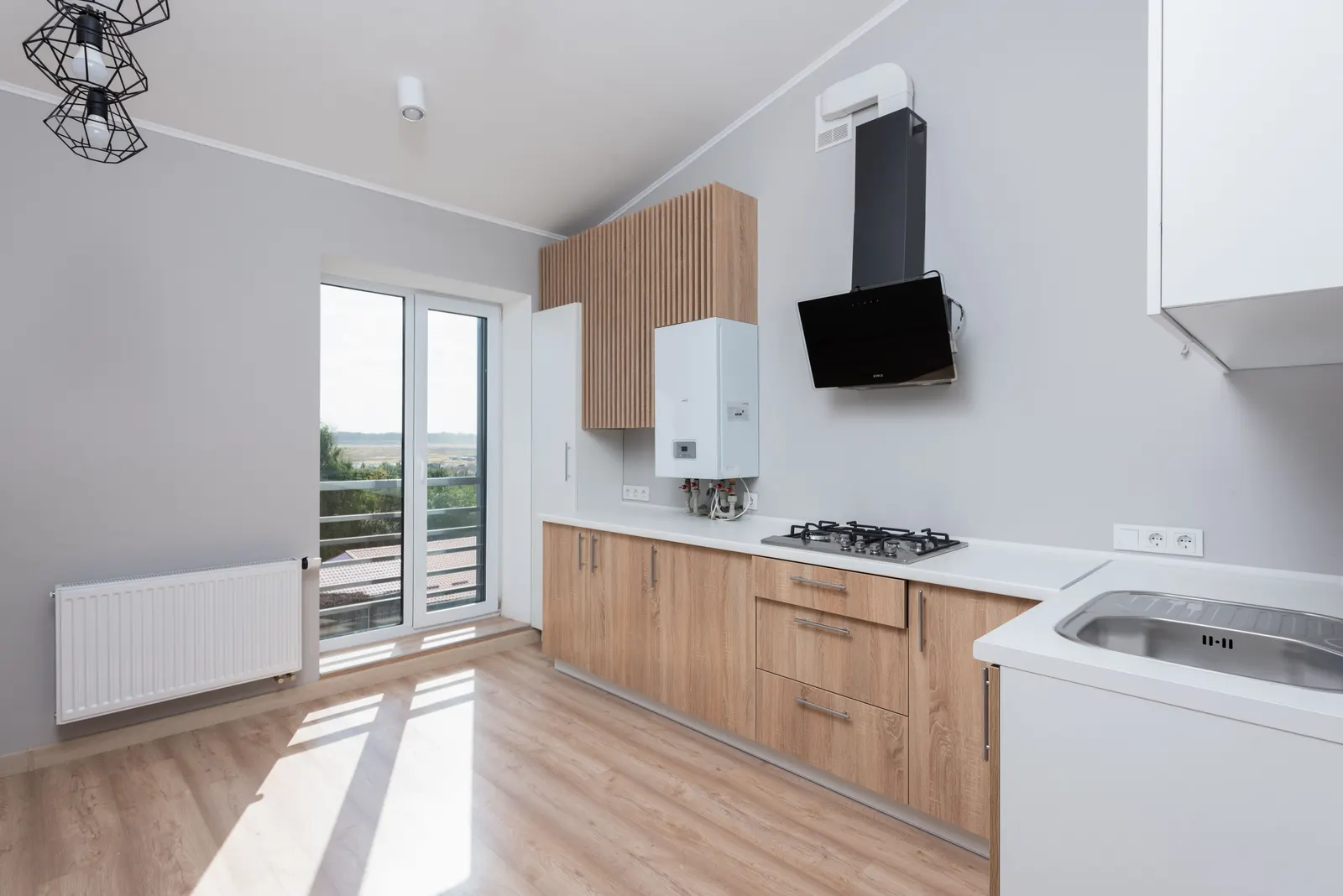
Most boiler pump noise is trapped air: a rattle or gurgle that starts after the system was drained or topped up, and which bleeding usually clears. A steady grinding or screech, or a hum with cold radiators, points to worn bearings or a sticking rotor. That pump is failing and normally needs replacing.
What does the noise sound like?
The circulating pump pushes hot water from the boiler round the radiators and, on system and regular boilers, through the cylinder coil. A healthy modern pump is close to silent. You might hear a faint whirr with your ear next to it, and nothing from the next room. So any noise you can pick out across the room is worth a look, and the kind of noise narrows it down quickly, as does whether the boiler makes it while it is not in use.
- Rattling, gurgling or a sound like gravel in the pipe: air in the pump or pipework, or the pump running too fast for the system
- A loud whine or whistle that rises when radiator valves close: pump speed too high, water forced through a nearly shut circuit
- Grinding, scraping or a high-pitched screech: worn bearings or debris in the impeller housing
- A hum with little or no heat reaching the radiators: the motor is powered but the rotor is stuck or seized
- A brief whirr for a few minutes after the heating switches off: normal pump overrun, the boiler cooling its heat exchanger
Is the pump inside the boiler or outside it?
This decides what you can check yourself. On a combi boiler, and on most modern system boilers, the pump sits inside the boiler casing. You can hear it through the case, but you cannot touch it: nothing behind the front panel is a householder job, and on a gas appliance that work belongs to a Gas Safe registered engineer.
On a regular (heat-only) boiler with a hot water cylinder, the pump is usually a separate unit on the pipework in the airing cupboard, often a red, green or grey Grundfos, Wilo or DAB body with isolating valves either side. That pump is a plumbing part, not a gas part, and the checks below apply to it.
If you are not sure which you have, look for the cylinder. No cylinder means a combi, and the pump is inside the boiler.
If you smell gas at any point, stop, open the windows, turn off the gas at the meter if you can get to it safely, avoid switches, and call the National Gas Emergency Service on 0800 111 999 from outside.
Checks you can do safely
Work through these in order. The first two clear most air noise, and none of them involves opening the boiler.
- On a sealed system (combi or system boiler), check the pressure gauge: cold, it should read about 1 to 1.5 bar, so top it up through the filling loop if it is under 1 bar. On an open vented system, check the small loft tank has water in it
- With the heating off and the radiators cool, bleed every radiator in turn, then recheck the pressure
- On an external pump, check the speed selector. Many pumps have three fixed speeds or several modes, and a pump turned up to its top setting on a small system will whine and whoosh. Try one setting lower and listen
- Make sure the isolating valves either side of an external pump are fully open. A half-shut valve makes the pump labour and hiss
- Check that a few radiators have their valves open. If every TRV has shut, the pump pushes against a closed system and gets noisy unless there is a working bypass
Leave pump bleed screws and seized-rotor fixes to an engineer if the pump is inside the boiler, or if the water is hot. Water in the system can be well above 60°C.
Clearing air from an external pump
Older airing-cupboard pumps have a large slotted screw in the centre of the motor end. It gives access to the rotor shaft and lets trapped air out. On a regular system, with the heating off, the power to the boiler and pump switched off at the fused spur or the consumer unit, and the water cooled, a quarter to half turn will release a hiss of air and then a trickle of water. Hold a cloth underneath and close it as soon as water appears.
Many newer high-efficiency pumps have no manual vent screw at all. Their instructions tell you to clear air by running the pump, sometimes on a set venting mode for a few minutes, so check the leaflet or the label on the pump head. With these, bleeding the radiators and running the heating for a while is the method. If a new pump is still gurgling after a day of normal running, the air is coming from somewhere in the system rather than from the pump.
Air that keeps coming back is a symptom in its own right. On an open vented system it can mean the pump is pushing water up and out of the open vent pipe (pumping over) or drawing air in through it. On a sealed system it usually means water is being lost and replaced. Our guide to a boiler gurgling noise covers where persistent air comes from.
Signs the pump itself is worn out
Bearings and rotors do wear, and sludge speeds it up. Magnetite, the black iron oxide that builds up in older systems, collects in the pump, and the permanent-magnet rotors in modern high-efficiency pumps attract it, so it packs around the rotor. The signs of a pump on its way out are fairly consistent, and on a Vaillant a worn internal pump is one cause of the F75 no-pressure-rise fault.
- A grinding or screeching note that does not change after bleeding
- The pump body is hot to the touch but radiators stay cool, or only the ones nearest the boiler warm up
- The boiler overheats and locks out, or on a combi shows a flow or circulation fault code
- Heating works in the morning, then goes quiet and stops later in the day
- Water weeping from the pump body or from the unions either side
A pump that hums but does not turn can sometimes be freed, but a seized pump usually seizes again. If the rotor was stuck with sludge, the system needs cleaning as well, or the new pump will go the same way.
What an engineer does and what it costs
An engineer will confirm the pump is the source rather than the diverter valve, a fan that has started to vibrate or kettling in the heat exchanger. They listen with the heating on and off, check the pump is getting power and turning, and look at the flow and return temperatures. If the pump is worn, they isolate it, fit a new one and vent the system. On a combi this means working inside the casing, and where that disturbs the sealed combustion case it is work for a Gas Safe registered engineer.
As a rough guide to typical UK market prices, a standard external domestic circulating pump costs roughly £80 to £200 for the part, and a fitted external pump replacement usually lands somewhere around £200 to £400 all in. An internal combi pump is more, because the part is specific to the boiler model and the job takes longer. If the pump died because of sludge, a chemical clean or powerflush and a magnetic filter add to that.
The £60 call-out applies at any hour, and the repair price is agreed with you on site before any work starts. See boiler repairs for how a visit works, or the pricing page for the call-out terms.
Can a noisy pump wait until morning?
Usually, yes. A rattling pump with warm radiators is an annoyance, not an emergency. Leave the heating on a lower setting and get it looked at in normal hours.
Turn the heating off and get help sooner if the pump is screeching and the boiler is repeatedly overheating or locking out, if water is leaking from the pump, or if the noise is a bang from inside the boiler rather than a steady hum from the pump. Our guide to a boiler making a loud noise helps separate pump noise from the other sounds a boiler makes.
Questions people ask
Why is my boiler pump noisy after the system was drained?
Draining and refilling lets air into the pipes, and some of it collects in the pump. Bleed the radiators, top the pressure back up to about 1 to 1.5 bar and run the heating for a few hours. The noise usually fades as the air works its way out.
Can I turn the pump speed down to stop the noise?
On an external pump, yes. Try one setting lower. If the furthest radiators stop getting hot, go back up one. On a combi the pump speed is set inside the boiler and should only be changed by an engineer.
Is a noisy boiler pump dangerous?
Not in itself. The risk is that a failing pump lets water stop moving, the boiler overheats and cuts out. Modern boilers have overheat protection for this. Any smell of gas is a different matter: ventilate, shut the meter valve if safe, get out and call 0800 111 999.
How long does a central heating pump last?
Many run for ten years or more, but sludge in the system can shorten that a lot. A pump that fails early is often a sign the water needs cleaning and a magnetic filter fitting.