Boiler fault codes
Ideal F2 Fault Code: The Flame Was Lost
Published
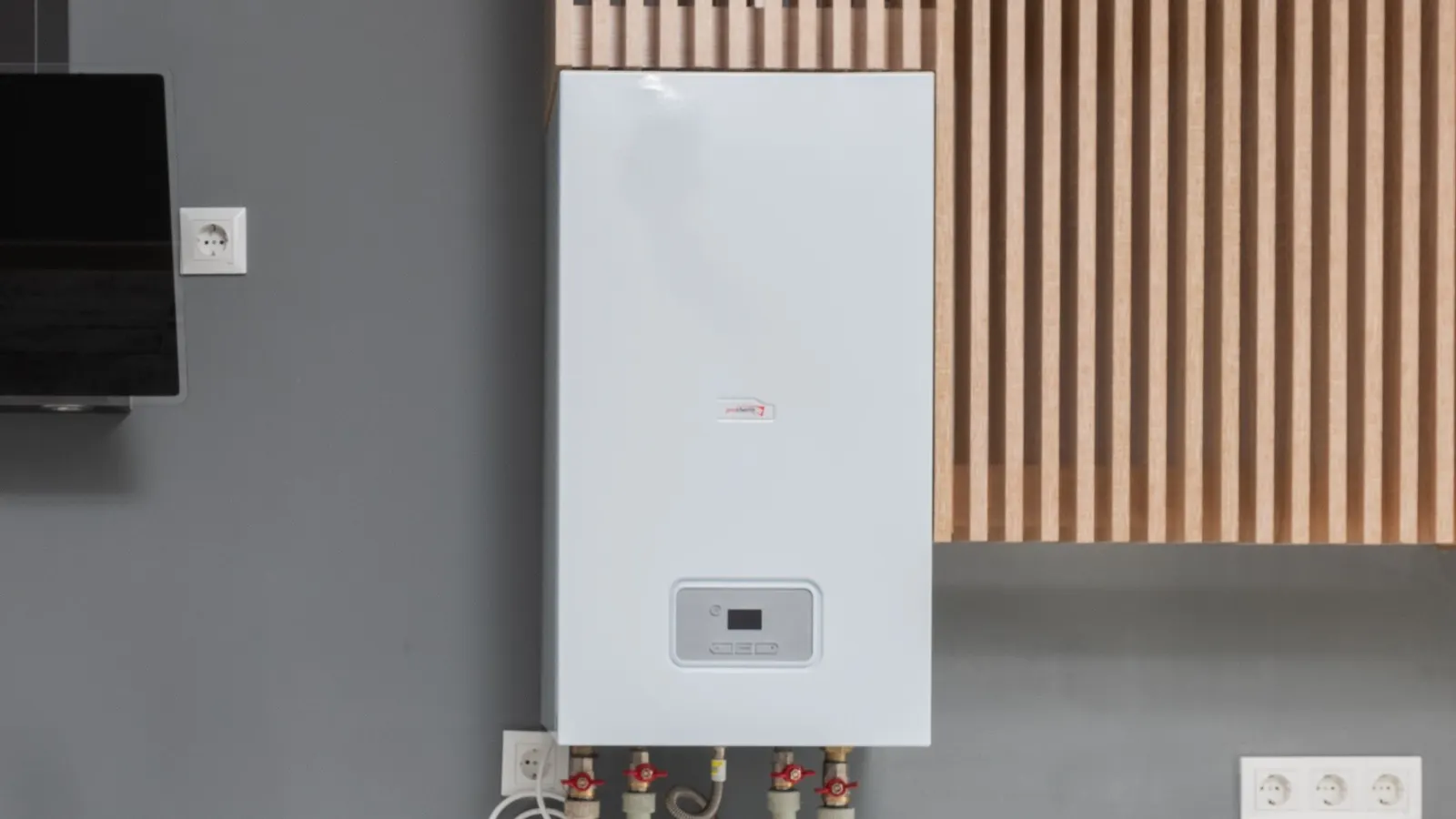
Ideal display
F2
What it means
F2 is flame loss. The boiler lit, or tried to, but the flame sensor stopped seeing a flame, so the gas valve closed and the boiler stopped.
Safe to check yourself
- Check your hob or another gas appliance works, to rule out a supply problem
- On a prepayment meter, check there is credit and the meter has not tripped
- Make sure the yellow-handled gas valve under the boiler is in line with the pipe (open)
- In freezing weather, check the plastic condensate pipe outside for ice and thaw it with warm, not boiling, water
- Press restart once and watch whether the boiler lights and stays lit
Call an engineer if
- Other gas appliances work and F2 returns after one restart
- The boiler lights for a few seconds and then drops out each time
- You hear gurgling from the boiler and the condensate pipe is not frozen
- The display changes to LC after several restarts
- You smell gas: ventilate, shut off the meter valve if safe, keep clear of switches and flames, then leave and call the National Gas Emergency Service on 0800 111 999
An F2 boiler fault code on an Ideal means flame loss. The burner lit or tried to light, the flame sensor lost the flame and the boiler shut the gas off. Check the gas is reaching the house, the yellow gas valve is open and the condensate pipe is not frozen, then restart once. If F2 comes back, it needs an engineer.
What to check first, in this order
Ideal's own guidance for F2 starts outside the boiler, and so should you. If the hob will not light either, the problem is the supply, not the boiler. On a prepayment meter, check the credit and look for an emergency credit prompt on the meter display. Then check the gas cock under the boiler: the handle should run along the pipe, not across it.
In a cold snap, a frequent cause is a frozen condensate pipe, the plastic pipe that runs outside. Ideal lists gurgling from the boiler as a sign of a blocked condensate route. Pour warm water along the outside section until it runs free, then restart. Never use boiling water, which can crack the plastic.
Restart once. The Logic control board counts restarts, and after five in a quarter of an hour it locks out (LC on newer displays, L5 on older ones) and needs the power switched off and on. Pressing it repeatedly does not help and can mask what an engineer needs to see.
If you smell gas at any point, stop. Open windows, turn the gas off at the meter if you can reach it safely, do not operate switches, then leave and call 0800 111 999.
F2 or L2: are they the same fault?
They are close relatives, and sources treat them differently. In Ideal's Logic Combi installation manual, L2 is an ignition lockout, where the boiler never proves a flame, while F2 (shown as Fn or Ln on some control boards) is flame loss, where a flame was present and then lost. Several heating firms describe the two as interchangeable. The checks overlap heavily, so start with the same gas and condensate list either way, and read the boiler ignition lockout guide if your display shows L2.
What the engineer checks inside the boiler
Ideal publishes the fault-finding order for F2, and a competent engineer follows something close to it. First, does the boiler light briefly and then go out? If it never lights, they measure gas pressure at the boiler inlet; the fault chart in the Logic manual looks for at least 18 mbar there. Low inlet pressure points to the supply, such as the meter or the pipework, not the boiler. With the pressure good, they check the gas valve is getting its 24 volt supply, then the spark generator, the ignition electrode and the siphon and condensate pipework, and only after all of that the gas valve itself.
If it lights and drops out, they look at the top flue manifold seal, the flame detection electrode and its lead, the condensate pipe and the flue itself for blockage.
- Flame detection electrode: worn, bent or sooted, a common and inexpensive fix
- Blocked siphon or condensate pipe: cleaned or re-routed
- Flue or seal problem: re-seated or replaced
- Gas valve: the last suspect, and the dearest part on the list
What an F2 repair usually costs
A frozen condensate pipe costs nothing if you thaw it yourself. If an engineer comes out, you pay the £60 call-out, and the repair price is agreed with you on site before any work starts. Electrodes are low-cost parts; a gas valve replacement is a bigger job. Gas work is carried out by Gas Safe registered engineers.
If your boiler keeps losing its flame and you need it working tonight, book Ideal boiler repair or read more on a boiler that will not fire up.
Questions people ask
Can I reset an Ideal boiler showing F2?
Yes, once, after checking the gas supply, the yellow valve and the condensate pipe. Ideal advises a reset and then contacting an engineer quoting F2 if it returns. Repeated resets lead to the LC code.
Is an F2 fault dangerous?
The code itself means the boiler has made itself safe by shutting off the gas. The danger is a gas smell or signs of fumes, such as soot around the casing. In either case open windows, turn the gas off at the meter if it is safe to reach, get outside and call 0800 111 999.
Why does F2 happen more in winter?
Condensate pipes run outside and freeze in hard frosts. The water backs up into the boiler, the flame is disturbed and the boiler shuts down. Thawing the pipe and restarting usually clears it.