Water supply problems
Can’t Find the Stopcock Under the Sink
Published
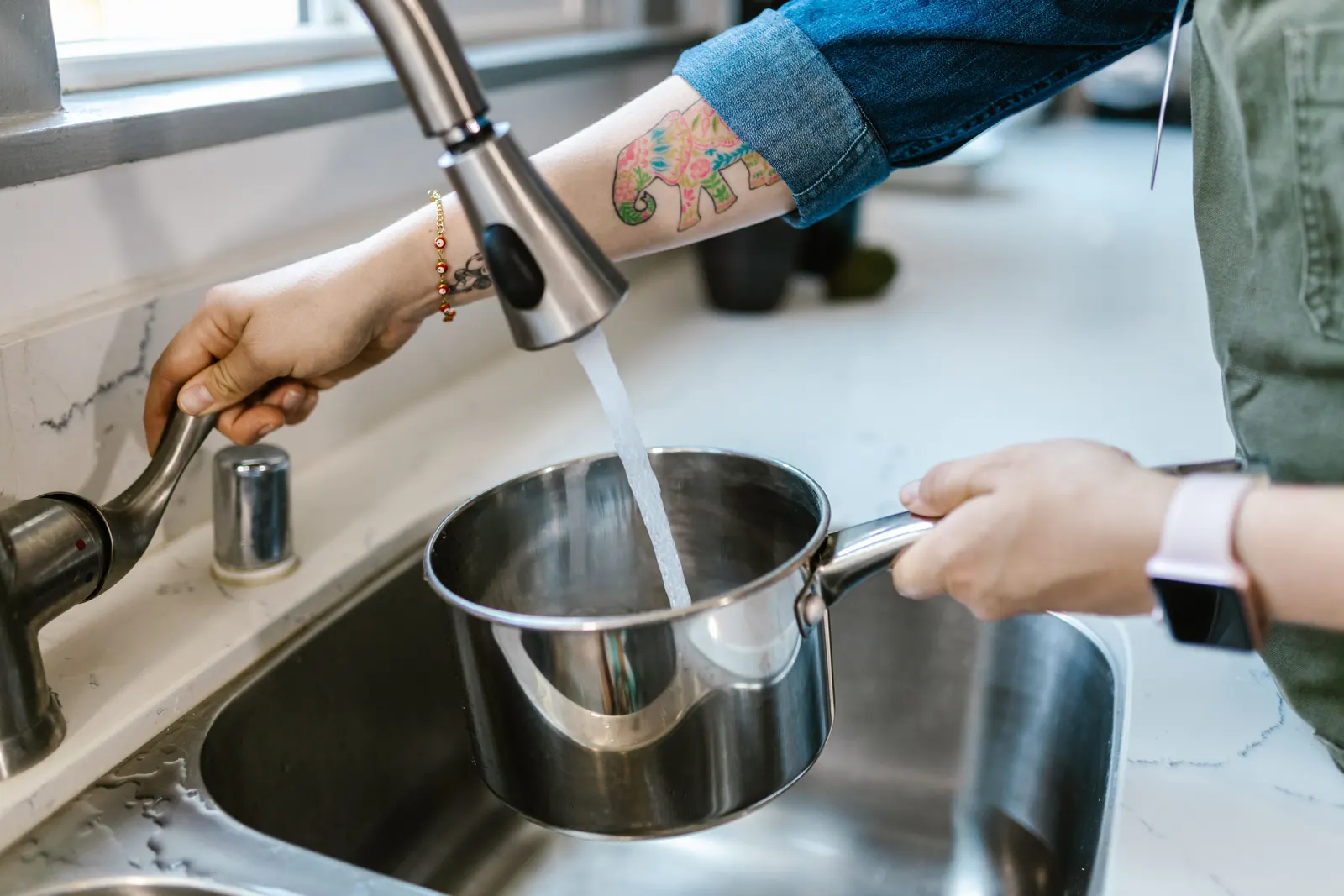
Can’t find the stopcock under the sink? Follow the cold pipe that feeds the kitchen tap back to where it comes through the floor or wall. The stopcock sits on that pipe, usually within a metre or two of where it enters: behind the unit plinth, under the stairs, beneath a floorboard or in a cellar.
Why the stopcock is not always under the sink
The kitchen sink is only the most common spot because the mains usually enters the house at the front or back wall nearest the street, and the kitchen tap is often the first thing it feeds. The rule that matters is not about sinks at all. The Water Supply (Water Fittings) Regulations 1999 require every supply pipe feeding separate premises to have a stopvalve conveniently located, so that the supply to that home can be shut off without cutting off anyone else. Where exactly the installer put it depends on where the pipe came in.
In a Victorian or Edwardian terrace the lead or copper supply often came in under the front hall, and the stopcock ended up under the stairs or below a hallway floorboard. In houses where the kitchen was refitted, the valve is frequently still there but boxed in behind the new cupboards, or tucked behind a dishwasher or washing machine. In newer houses it can be in a downstairs cloakroom, a utility room, the garage or next to the boiler.
How to trace the pipe back to the stopcock
Tracing is quicker than searching room by room. Under the sink you will see two pipes going up to the tap. In almost every home the kitchen cold tap is fed straight off the mains, even where the other cold taps come from a loft tank, so the cold pipe is the one to follow. It is usually on the right of the tap as you face it and often the colder of the two to the touch. Follow it down and away from the sink.
- Empty the sink cupboard fully and use a torch; stopcocks hide at the very back corner, often behind the waste trap
- Pull off the plinth (kickboard) under the units; it usually clips on and lifts away, and the pipe often runs along the floor behind it
- Look where the pipe drops into the floor or goes into the wall, then go to the other side of that wall or the room below
- Check under the stairs, inside the downstairs toilet, in the airing cupboard and in any cellar or garage
- Look for a small hinged hatch or a single screwed-down floorboard near the front door; that is often a stopcock access
- Note the pipe material where it comes up: blue plastic, older black plastic or dull grey lead coming through the floor is almost always the incoming main; copper could be either
A small valve with a screwdriver slot or a little lever on the pipe to one appliance is an isolation valve, not the stopcock. It only shuts off that tap or machine.
Water pouring out and still no stopcock?
If a pipe has burst and you have searched for a few minutes without luck, stop hunting inside and turn the water off at the outside stop tap. It sits under a small cover in the pavement or front garden, often a round or rectangular lid a few inches across, sometimes marked W or with the water company’s name. You need a stop tap key, which is a long bar with a slotted end, sold cheaply in DIY and hardware shops. Reach down, locate the tap handle and turn it clockwise. In older terraces one outside tap sometimes serves two or more houses, so knock next door if you can.
While the water is off, switch off the boiler and any immersion heater, then open all the hot and cold taps, including upstairs bath and basin taps, to drain the pipework and any loft tank down. Put buckets and towels where the water is coming through. If water is near electrics or light fittings, turn the electricity off at the consumer unit before you touch anything, but only if the unit is dry and you are not standing in water. Our burst pipe steps go through the rest in order.
If you cannot find either valve, or the stopcock is found but will not move, that is exactly the point to get an engineer out. The emergency stopcock repair service turns the supply off at the nearest workable point, isolates the leak and gets the rest of the house back on water where possible.
Is it possible there is no stopcock at all?
Yes, in older properties and some conversions. It happens more often than people expect: a valve was removed during building work and never replaced, it was plastered over, or the only control is the stop tap in the street. Sometimes a stopcock exists but sits in a neighbouring property on a shared supply.
Signs that you have no internal valve are a pipe that comes through the floor and runs straight to the sink and cistern with nothing on it, or an old valve with the handle broken off. If that is your house, get one fitted before you need it. A stopcock is a small job on accessible pipework and is far cheaper than a ceiling or kitchen floor ruined while you search. See where to find your stopcock for the full list of locations by property type.
What an engineer does when you can’t find it
An engineer starts where you did, at the kitchen cold supply, but can do things you should not. That includes lifting boarded floors carefully, opening boxed-in pipework and using a stop tap key with the right fork for older outside valves. If the only control is the outside tap and the house has no internal stopcock, they will usually recommend fitting one where the main enters, above floor level where possible so you can reach it without lifting boards.
On lead supply pipes the engineer will need a specialist lead-to-copper or lead-to-plastic connector to fit a new valve, and will usually point out that the lead run itself is due for replacement, for the reasons in our guide to lead supply pipe problems. They will explain what the new valve involves before anything is cut.
As a guide to the wider market, fitting or replacing a stopcock on accessible copper or plastic pipe commonly costs somewhere between about £100 and £250 including the valve. It costs more where floors have to be lifted, the pipe is lead, or the outside tap will not shut so the water company has to be involved. The £60 call-out applies at any hour, and the repair price is agreed with you on site before any work starts; see our pricing.
Once you have found it: make it easy next time
When the valve is found, test it gently. Turn it clockwise until it stops, then open a cold tap to check the water has actually stopped. Turn it back anticlockwise fully, then a quarter turn back so the spindle does not seize in the fully open position. If it is stiff, do not force it with grips: old stopcocks can shear at the spindle. The guide on a stopcock that won’t turn explains what to do instead.
Label it. A luggage tag on the valve and a note inside the sink cupboard door saying where it is will save the next person, whether that is a tenant, a house-sitter or you at two in the morning. If it sits behind a plinth, cut a small access panel or leave the plinth unclipped. Buy a stop tap key and keep it with the torch.
Questions people ask
Can I turn off the water at the meter?
Many outside meter chambers have a stop tap built into the same box, just before or after the meter itself. Turning that off shuts off your supply. Do not try to turn the meter body; look for a separate tap handle in the chamber.
Is the stopcock the same as the valve under the sink?
Not always. A small valve with a slot or lever on the pipe to the tap, dishwasher or washing machine is an isolation valve for that appliance only. The stopcock controls the whole house and normally has a round or crutch-shaped handle.
Who has to fit a stopcock if my house has none?
The pipework inside your boundary is the owner’s responsibility, so fitting an internal stopcock is down to you or your landlord. In rented homes, ask the landlord to fit one and show you where it is.
Can I use the outside stop tap without asking the water company?
Yes, you can use it to shut off your own supply in an emergency. If it also serves neighbours, tell them before you close it. If it is buried or broken, report it to your water company, since the tap in the pavement is usually theirs to maintain.