Toilets, taps & fixtures
How to Flush a Toilet When There Is No Water
Published
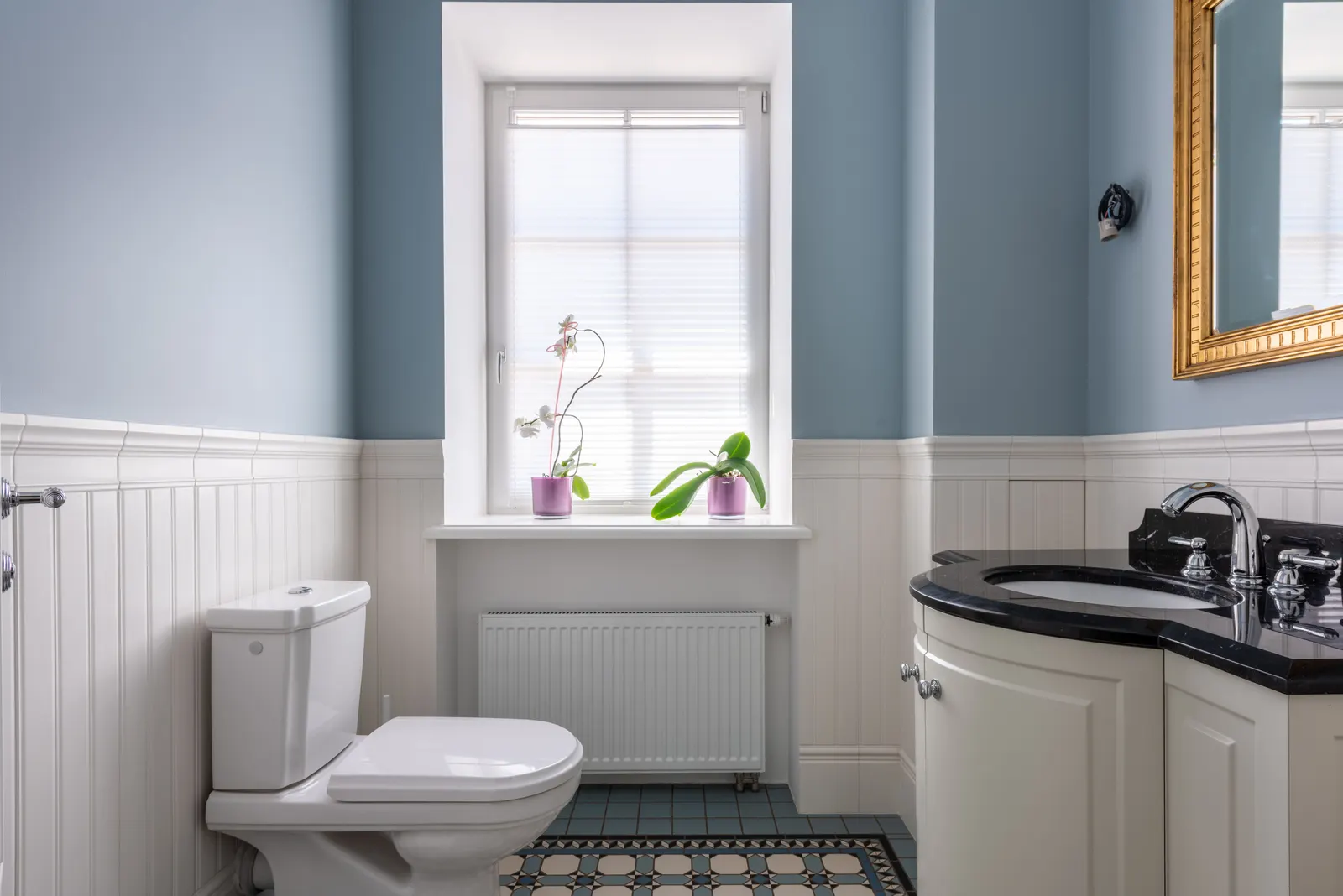
With no water, you can still flush a toilet by pouring a bucket of about six litres straight into the bowl in one quick, steady pour. The sudden volume pushes the contents over the trap and down the drain, just as the cistern would. Any clean or used household water works. Save flushing for solids.
The bucket flush, done properly
A toilet does not need its cistern to flush. What clears the pan is a sudden rush of water, strong enough to force everything over the trap and into the drain. You can create that rush by hand.
- Fill a bucket with about six litres of water. Modern toilets are designed around that volume: under the Water Supply (Water Fittings) Regulations 1999, a WC flush installed since 1 January 2001 must not exceed 6 litres. An older toilet may need a little more.
- Lift the seat and stand close. Hold the bucket at about waist height over the bowl.
- Pour fast and steadily, aiming at the water in the bottom of the bowl, not at the sides. A slow trickle only raises the level; a quick pour of the whole bucket triggers the flush.
- Stop pouring once the bowl gurgles and empties. Pour a litre or so more afterwards to refill the trap, so drain smells stay out.
Pour in one continuous stream rather than throwing the water. A thrown bucket splashes over the rim and wastes the water you are trying to use.
Or fill the cistern and use the handle
If you would rather flush the normal way, lift the cistern lid and pour water into the cistern until it reaches the usual level, usually marked by a water line inside, a little below the overflow. Then press the button or handle. This uses the flush mechanism as designed and puts less water on the floor, though it is slower than pouring straight into the bowl.
If the cistern is concealed behind a wall or panel with only a flush plate showing, you cannot reach it, so pour into the bowl instead. And if the water is off because you shut the stopcock on a burst pipe, leave it shut until the pipe is repaired. Bucket flushing is the stopgap; turning the supply back on to refill the cistern just feeds the leak.
What water to use, and what never to use
Flushing water does not need to be clean. Use whatever you have that is not drinking water: bath water left in the tub, washing-up water, water from a dehumidifier, rain from a water butt or a bucket left outside. Keep bottled water and anything you have stored for drinking and cooking for that.
Never pour boiling water into a toilet. Vitreous china can crack when a sudden rush of very hot water hits it, and a cracked pan is a far bigger problem than a missed flush. Warm or cold is fine. Avoid water with grease or food scraps in it where you can, because it adds to the risk of a blockage while the drains are running on less water than usual.
Is it just you, or the whole street?
Before settling in to bucket-flush for the day, find out why the water is off, because the answer decides how long you will be doing it. Try the kitchen cold tap, which comes straight off the mains. If that runs but the toilet does not refill, the fault is in the toilet itself, usually the isolation valve or the fill valve, and toilet not filling with water covers that.
If the kitchen tap is dry too, ask a neighbour and check your water company's incident page. When the whole area is off, it is the supplier's job, and no water in my area explains how to check, report it and what to expect. If only your home is without water, the problem is on your side: a closed or failed stopcock, a frozen pipe in winter, or a leak on your supply pipe. No water in the house walks through that in order.
If someone in the household depends on water for medical reasons, or is elderly or disabled, register with your water company's Priority Services Register. Suppliers use it to find the households that need bottled water brought to the door during an outage.
Making a longer outage manageable
For an outage of more than a few hours, cut the number of flushes and plan the water you have. Flush for solids only and let urine wait a while. Keep toilet paper in a lidded bin rather than the pan if the outage runs over a day, because paper without enough water behind it is how bucket-flushed toilets block.
Fill the bath or a few buckets when the supply returns, even briefly, so you have flushing water in reserve if it goes off again. When it does come back, it may run cloudy or air may spit from the taps for a minute. Run the kitchen cold tap until it is clear, then let the toilet cistern refill on its own.
When the toilet will not flush even with a bucket
If a full, fast pour only raises the water in the bowl and it drains away slowly, the pan or the drain beyond it is partly blocked. Do not keep pouring, because the next bucket can bring the bowl over the rim. Try a plunger with a flange that seals in the pan outlet, working it gently up and down a dozen times.
If the pan still will not clear, or waste is backing up into a shower or bath on the same floor, the blockage is further down the drain and needs rods or a machine. Book toilet unblocking. And if the water is off at your home only and you cannot find why, an engineer can trace it, check the stopcock and restore the supply. That is covered by our no water emergency service, with a £60 call-out at any hour and the repair price agreed with you on site before any work starts.
Questions people ask
How much water does it take to flush a toilet with a bucket?
About six litres for a toilet fitted since 2001, poured quickly in one go. Older toilets with bigger cisterns may need a little more. The speed of the pour matters as much as the amount.
Can I flush a toilet with the water off if the cistern is full?
Yes, once. Whatever is already in the cistern will flush normally. It will not refill afterwards, so after that first flush use the bucket method until the supply is back.
Can I use bath water to flush the toilet?
Yes. Used bath or shower water is ideal for flushing. Scoop it into a bucket and pour it into the bowl. Avoid water with a lot of grease in it where you can.
Is it safe to flush the toilet during a water outage?
Yes, with a bucket. In most homes the drains still work when the mains water is off, because they run by gravity. A macerator (pumped) toilet can be bucket-flushed too, but only while the electricity is on, because its pump does the clearing.