Boiler & heating breakdowns
Glow-worm Boiler Pressure Problems
Published
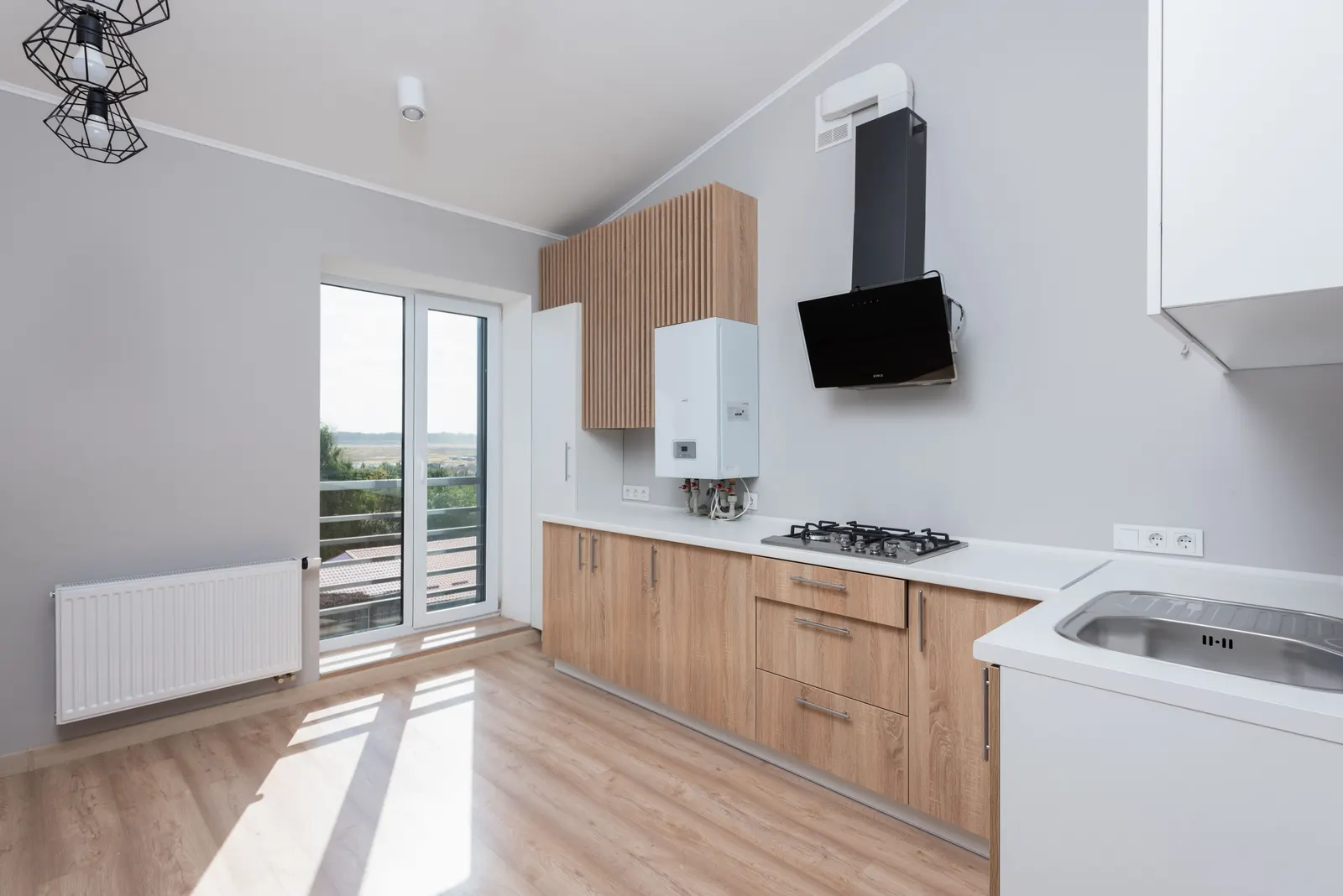
A Glow-worm boiler should hold 1 to 1.5 bar when cold. Current models show F.22 when it drops too low; many older ones show F9. Top up through the filling loop or lever under the boiler, then reset. If it needs topping up again within weeks, or climbs towards 3 bar, a leak or a failed part is behind it.
Which Glow-worm pressure problem do you have?
Glow-worm is part of the same group as Vaillant, and its boilers share a lot of the same engineering, including the way newer models monitor pressure. Match what you are seeing to one of these and jump to the right section.
- The boiler has stopped and shows F.22 (current ranges such as Energy) or F9 (many older models, including early Ultracom and Flexicom): pressure is probably too low. Your user guide, or our Glow-worm fault code guide, confirms which code system your model uses
- You topped it up and it has dropped again: something is leaking
- The gauge is near 2.5 or 3 bar, or the pipe outside is dripping: pressure is too high
- The gauge reads 1.5 bar but the code will not clear: the sensor, the pump or a blocked filter
Low pressure is the one problem a householder can fix. Everything else on this page needs the casing off, which is engineer work.
Topping up a Glow-worm with low pressure
Look under the boiler first to see which filling set-up you have. Many Glow-worm installations use an external silver braided loop with a valve at each end, joining the cold mains to the heating pipework. Some models have a filling valve built into the underside of the boiler instead. The user guide for your model shows where it is and which way it turns.
Whichever it is, switch the boiler off and let it cool for an hour so you are filling against a cold reading. Open the valves or pull the lever slowly while watching the gauge, and stop between 1 and 1.5 bar. Close everything firmly and switch the boiler back on. On newer models F.22 usually clears once the pressure is back; if not, press reset once.
- External loop: open the valve on the mains side first, then the second valve slowly; a slot or lever running along the pipe means open
- Built-in filling valve: open it slowly as the user guide shows and close it firmly at 1 to 1.5 bar
Glow-worm keeps losing pressure
One top-up after bleeding radiators is normal. Two in a month is not. The pressure only drops when water leaves the system, so the question is where.
Start outside. The copper pipe that comes through the wall near the boiler is the relief valve discharge; a drip from it, or a wet stain on the wall below, means the valve is letting water go. Inside, check under every radiator valve for crusty green or white deposits, and look at the pipe joints under the boiler. If everything is dry, the leak may be under a floor or inside the boiler, or the expansion vessel may be flat so that the relief valve lifts each time the heating gets hot. Our guide to a boiler losing pressure with no visible leak explains how engineers track those down.
Keep a note of the cold reading each morning for a few days. The rate of drop is the single most useful thing you can tell an engineer, and it separates a slow weep from a real leak.
Glow-worm pressure too high
A cold reading above 2 bar, or a hot one close to 3 bar, is too high. Check the filling loop valves are both shut, because a loop left open is the usual culprit. Then let the system cool and bleed a radiator to bring it back to 1.5 bar; our page on how to reduce boiler pressure walks through it.
If it climbs again with the loop shut, watch when it happens. A rise only when the heating runs points at a flat expansion vessel. A slow creep over hours or days with the heating off points at a leaking plate heat exchanger letting mains water into the heating. Neither is a home fix.
Never open the relief valve by hand to let water out. It rarely reseals properly afterwards and then drips for good.
The gauge says 1.5 bar but the fault stays
On older Glow-worm models, F9 with a healthy gauge usually means a part has failed rather than water being short. The boiler reads pressure through a sensor, and if the sensor has failed, or sludge has blocked the flow filter near it, the boiler believes the system is empty when it is not. A seized pump, or one full of air, can bring up the same code. Our Glow-worm F9 page covers that code in more detail.
Reset once. If the code comes back, stop resetting and book a repair. Repeated resets do not fix a failed sensor, and each one runs a pump that may be seized or dry.
What the engineer does, and typical costs
An engineer checks the boiler reading against a test gauge, isolates the filling loop to rule out a passing valve, and drains the boiler side to test the expansion vessel charge. With the casing off they inspect the relief valve, the sensor, the flow filter and the pump, and check the heat exchanger for leaks. Gas work is carried out by Gas Safe registered engineers.
Typical UK market ranges, parts and labour, are about £100 to £200 for a pressure sensor, £90 to £200 for a relief valve, £150 to £350 for an expansion vessel and £200 to £400 for a pump, depending on model and access. Our Glow-worm boiler repair visit starts with the £60 call-out, and the repair price is agreed with you on site before any work starts.
Questions people ask
What should the pressure be on a Glow-worm combi?
Between 1 and 1.5 bar with the heating cold. It will rise a little when the boiler is running, which is normal, but it should stay well below 3 bar.
What does F22 mean on a Glow-worm boiler?
Low water pressure on newer models, where it shows as F.22. The boiler has shut down to protect itself. Top up to 1 to 1.5 bar and it should restart. If it returns within days, the system is losing water.
Why is my Glow-worm pressure going up when the heating is on?
A rise of a few tenths of a bar is normal expansion. If it goes up by a bar or more, or hits 3 bar, the expansion vessel has probably lost its air charge and needs an engineer to recharge or replace it.
Is it safe to repressurise a Glow-worm boiler myself?
Yes. Topping up through the filling loop is a normal user task. Do it with the boiler off and cool, stop at 1.5 bar and close the valves fully afterwards. Nothing behind the casing is a DIY job.
Can a Glow-worm boiler run with the pressure at 0.8 bar?
It will usually keep running, since newer models only shut down below about 0.3 bar, but 0.8 bar is below the 1 to 1.5 bar Glow-worm recommends and a falling reading usually means water is being lost. Top it up to 1 to 1.5 bar now rather than waiting for the F22 code, then keep an eye on whether it drifts back down.