Hot water problems
Hot Water Smells of Rotten Eggs
Published
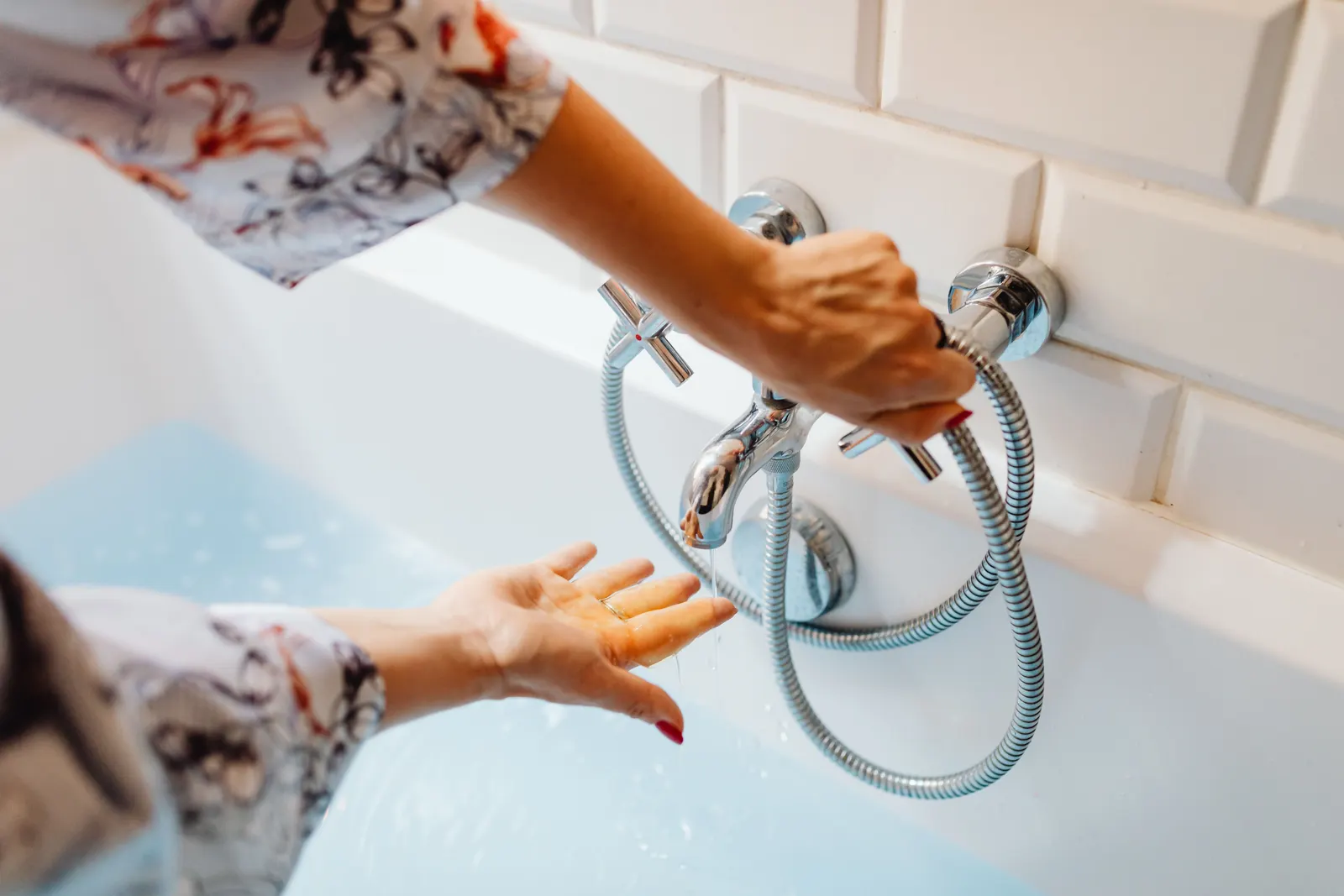
If only the hot water smells of rotten eggs, the cause is almost always in your cylinder or water heater: bacteria in warm, stored water turn sulphate into hydrogen sulphide, often helped by a magnesium anode. First make sure the smell is the water, not gas in the room or a drain.
Is it the water, the drain or gas?
A rotten egg smell has three common sources in a home, and one of them is an emergency. The gas supplied to homes has an odorant added so leaks are noticed, and many people describe it as rotten eggs. If the smell is in the air, near the boiler, the cooker or the meter, rather than in the water itself, do not run taps to investigate.
If you can smell gas: open doors and windows, turn off the gas at the meter if you can do so safely, do not use switches or flames, then leave the property and call the National Gas Emergency Service on 0800 111 999. See what to do if you smell gas.
A two-minute test to find the source
Once gas is ruled out, separate the water from the plughole. The drain trap under a basin or bath can smell of sulphur on its own, as can a shower trap clogged with hair and soap, and running water pushes that smell up at you, which makes it seem as if the water smells.
- Fill a glass from the cold kitchen tap, walk to another room and smell it.
- Do the same with a glass from a hot tap.
- If neither glass smells but the sink does, it is the drain, not the water. See smelly sink plumbing.
- If only the hot glass smells, the source is the cylinder, water heater or hot pipework. Keep reading.
- If both glasses smell, the source is the supply or a cold storage tank, not the heater.
Why only the hot water smells
The smell is hydrogen sulphide. In a hot water cylinder it is usually made by sulphate-reducing bacteria, which live in warm water with little oxygen. They take the sulphate that is naturally dissolved in tap water and turn it into hydrogen sulphide gas. The gas stays dissolved until it comes out of the tap and you smell it.
A sacrificial anode makes this much worse. Enamelled or glass-lined steel cylinders, and many compact electric water heaters, carry a magnesium rod that corrodes in place of the tank. As it corrodes it gives off hydrogen, which the bacteria use to turn sulphate into hydrogen sulphide. That is why the smell often appears in a new or recently replaced heater, or suddenly after a change in the water. Most copper cylinders and most stainless steel unvented cylinders, including Megaflo’s duplex stainless range, have no sacrificial anode, so on those the cause is more often stagnant or lukewarm water.
Anything that lets water sit warm but not hot gives the bacteria time. The usual triggers are:
- The cylinder thermostat set low to save money, well under 60°C.
- A cylinder left unused for weeks, such as a holiday home, an empty flat between tenants, or a second cylinder only used for guests.
- Heating the water only on a short timer, so it spends most of the day cooling.
- A long, rarely used run of hot pipe to a spare bathroom, where water sits for days.
What you can safely do tonight
If the smell is hot-only and there is no gas in the air, the water is unpleasant rather than an emergency. These steps are safe and often cure a mild case:
- Check the cylinder thermostat and set it to about 60°C. The Health and Safety Executive’s legionella guidance for workplaces is to store hot water at 60°C or above and have it reach at least 50°C at the taps within a minute; it is a sensible benchmark at home too.
- Let the whole cylinder heat to that temperature and hold it for a few hours, then run every hot tap in the house, including the spare bathroom, until the water runs hot.
- If a thermostatic valve at the cylinder or on a tap limits the outlet temperature, leave it alone. Raising the stored temperature is safe; removing a scald limiter is not, especially with children or older people in the house.
- Do not try to remove the anode or open the cylinder yourself. On an unvented cylinder that is work for someone with the G3 unvented qualification, and on any cylinder it means draining down.
When both hot and cold smell
If the cold water smells too, the heater is not the root cause. On a home with a cold water storage tank in the loft, look at the tank. The Water Supply (Water Fittings) Regulations 1999 require a storage cistern to have a close-fitting cover and screened openings so dust, insects and dead birds or rodents cannot get in. An old tank with a missing or broken lid is a common source of both smells and contamination, and it is also a reason not to drink from any tap fed from it.
If your kitchen cold tap is fed straight from the mains and that smells, contact your water company. They are responsible for water quality up to your property and will usually test it free of charge. It is also worth asking neighbours whether they notice the same smell, which points to the supply rather than your plumbing.
What the engineer does and what it costs
An engineer will confirm the source with the same tap-by-tap test, then check the actual stored temperature and whether the thermostat is controlling correctly. A cylinder that never reaches its set point, because of a failing thermostat, a motorised valve that shuts early or a weak immersion element, keeps growing bacteria no matter what the dial says. That part is a normal repair; see immersion heater repair, or the wider hot water hub for thermostat and valve faults.
If the smell persists after the cylinder has been held at temperature, the usual fix on an anode-type cylinder or heater is to drain it, flush out sediment, disinfect it, and fit an anode the maker approves, such as an aluminium-zinc alloy rod or a powered anode, in place of the magnesium one. Never remove the anode without a replacement: many tank warranties depend on it, and the tank will corrode faster.
Parts for this are modest; most of the cost is the time taken to drain, clean and refill. The repair price is agreed with you on site before any work starts, and the call-out is on our pricing page.
Questions people ask
Is it safe to shower in hot water that smells of eggs?
At the levels that come from a cylinder, hydrogen sulphide is mostly a nuisance. The bigger concern is that stored water is sitting warm enough for bacteria, so fix the temperature and flush the system.
Why does my new water heater smell of rotten eggs?
New heaters with a magnesium anode are the classic case. The fresh anode reacts strongly with sulphate in the water. Holding the water at about 60°C and flushing often helps; if not, an alternative approved anode usually does.
Should I drink hot water that smells?
No. Hot water from a cylinder is not meant for drinking in any case. Use the mains-fed kitchen cold tap for drinking and cooking.
Will turning the thermostat up get rid of the smell?
Often, if the cause is lukewarm stored water. Heat the whole cylinder to around 60°C, hold it for a few hours and run every hot tap. If the smell returns within days, the anode or a thermostat fault is likely.