Toilets, taps & fixtures
Toilet Flush Button Not Working
Published
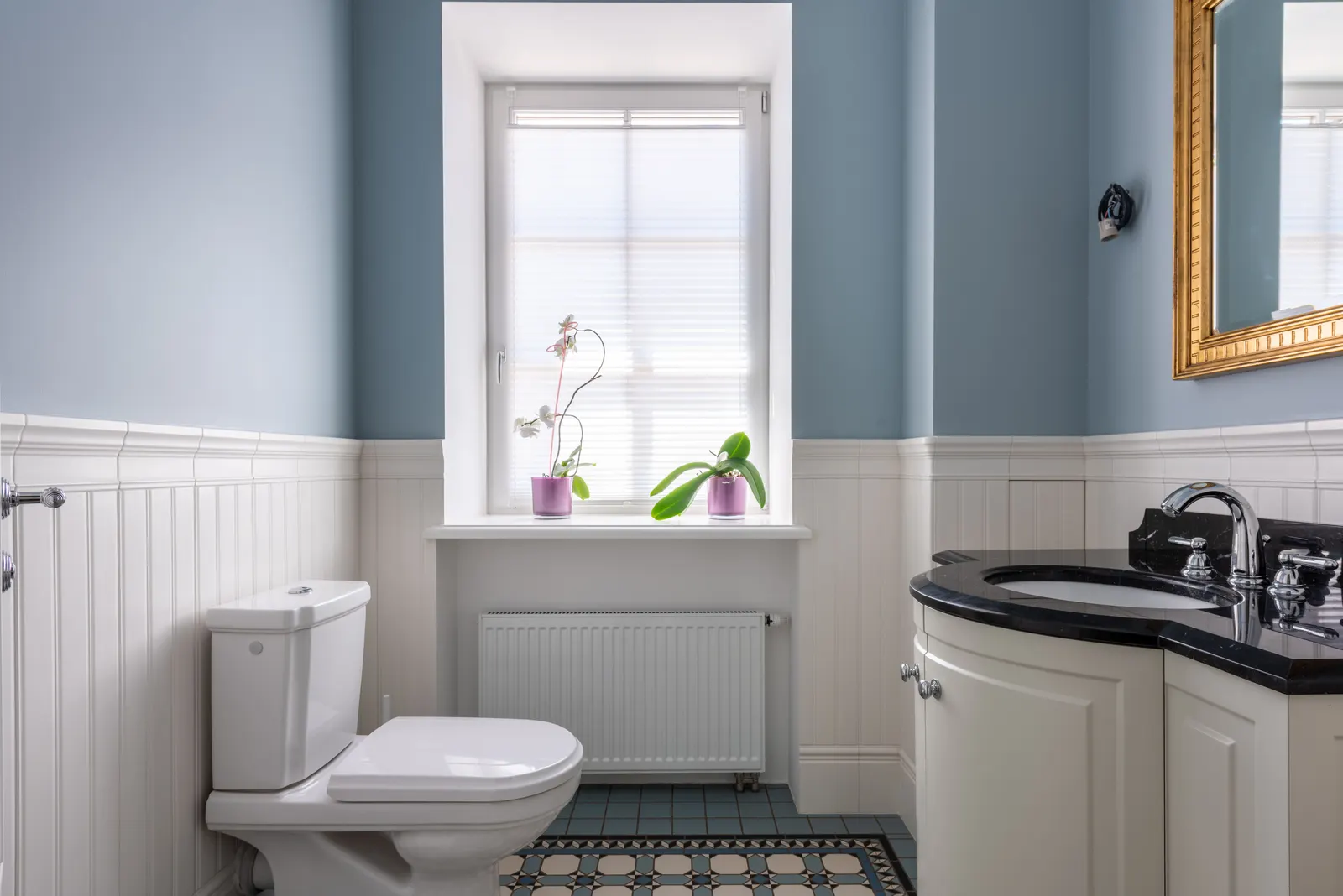
When a toilet flush button presses but nothing happens, the button has usually lost its connection to the flush valve in the cistern: rods that no longer reach, a snapped cable or a split air tube. If the button lifts the valve but the flush is weak, the cause is more often the water level in the cistern.
How a push-button toilet flush system works
A dual-flush button does nothing by itself. It is connected to a flush valve standing in the middle of the cistern, over the outlet to the pan. When you press, the valve lifts off its seal, the water drops into the pan, and the valve falls back into place. The two buttons lift the valve by different amounts, or trip different parts of it, to give a small and a full flush.
There are three ways the button can talk to the valve, and the fix depends on which you have. Lift the cistern lid and look before doing anything else.
- Rod or plunger buttons: the button sits in the lid directly above the valve, and two plastic rods or pins push down on the valve top. Common on close-coupled toilets.
- Cable buttons: a flexible cable, like a bicycle brake cable, runs from the button to the valve. Used where the button is not directly above the valve.
- Air (pneumatic) buttons: one or two thin plastic tubes run from the button to the valve, and pressing pushes a puff of air that trips it.
- Concealed cisterns: the cistern is hidden in the wall or a boxed-in frame, and a flush plate on the wall operates it with levers or rods behind the plate.
Match the fault to the symptom
Most flush button failures fall into a handful of patterns. Pressing the button with the lid off, while watching the valve, usually shows which one you have.
- Button goes down, valve does not move at all: rods too short, dropped out of place, a snapped cable or a split or detached air tube.
- Small flush works, full flush does not (or the reverse): one rod, one cable or one tube has failed, or the valve half that side operates is broken.
- Button stays down or sticks: the button mechanism is fouled or its spring has failed, or the lid is sitting crooked. A stuck button can leave the toilet running; see a toilet that keeps running.
- Valve lifts but the flush is weak: the problem is the water level, not the button. See a toilet not flushing properly and a cistern not filling.
- Button feels stiff and needs a hard push: scale on the valve or rods, or a lid that has shifted so the button presses on the side of the valve.
Fixing a button in the cistern lid
Before lifting the lid, check whether the button is fixed through it. On many toilets the button is held by a threaded ring on the underside of the lid, and the rods sit loosely on the valve. On some, the button has to be unscrewed or twisted off from the top before the lid will come away. Lift gently and feel for resistance. A ceramic lid is heavy and cracks if dropped, so lay it on a towel on the floor.
With rod buttons, the commonest fault is simply that the rods no longer reach the valve. They are often adjustable: you twist or snap them to length, or turn a threaded section. Put the lid back without the button, look through the button hole and check that each rod sits squarely on its part of the valve top with a little clearance. Too short and pressing does nothing; too long and the valve is held open so the toilet runs.
With a cable button, check that the cable end is clipped into the valve and that the outer sheath has not pulled out of its holder. A cable that is kinked or frayed will not transmit the push. With an air button, look for a tube that has slipped off its spigot or split near the end. Pushing a split tube a little further on after trimming it square sometimes works as a repair, but a replacement button with new tubes is the reliable fix.
If the button itself is broken, replace it with one made for the same valve. The brand is almost always moulded on the valve body or on its top. Buttons, rods and tubes from different makers rarely fit each other, and universal buttons are hit and miss.
Turn the water off at the toilet's isolation valve before working inside the cistern, and flush it empty. The float and fill valve move as you work, and an unattended cistern can overfill onto the floor.
Concealed cisterns and wall flush plates
If your toilet has no visible cistern, the flush plate on the wall is the only way in. Most plates are held by clips or small springs rather than screws, and come away when lifted up and pulled out from the bottom, or pushed up and tipped forward. Check the maker's name on the plate first; many publish fitting instructions showing exactly how. Forcing a plate with a screwdriver usually snaps its clips or cracks the tile around it.
Behind the plate you will see the actuator: levers or rods that the plate buttons press on, and often an inner frame that lifts out to give access to the valve and fill valve. The most common faults here are an actuator rod that has dropped out of its socket, a rod cut too short when the plate was fitted, or a broken plastic lever. Parts are brand-specific, and the frame design also differs by model and year.
Concealed cisterns are fiddly to work on through a small opening, and a dropped part can end up in the bottom of a cistern you cannot reach. If the plate will not come off cleanly, or you cannot see what has failed, that is the point to get help.
Lever toilets that will not flush
Older toilets with a handle on the side of the cistern work differently. The lever lifts a wire link attached to a plate inside a siphon. The plate carries a flexible plastic diaphragm, sometimes called a flap valve. When the handle is pushed, the plate lifts a slug of water over the siphon's bend and starts the flush.
If the handle moves freely and nothing happens, the wire link has usually come unhooked or snapped, or the handle's arm has broken at the spindle. Rehooking or replacing the link is a quick job. If you have to pump the handle several times to get a flush, the classic fault on low level toilets with a siphon cistern, the diaphragm has split or worn thin, and a new one of the right size cures it. On a close-coupled toilet changing the diaphragm usually means taking the siphon out, which means separating the cistern from the pan, so many people choose to have it done.
When to call someone, and typical costs
A toilet that will not flush in the only bathroom is worth fixing the same day. In the meantime you can flush by pouring a bucket of water briskly into the pan; see how to flush a toilet with no water. Call someone out if the cistern is overfilling or leaking onto the floor, if the valve is cracked, if you cannot get into a concealed cistern, or if the button is fine but the toilet still will not flush.
As a typical market guide, a replacement flush button costs roughly £8 to £25, a complete flush valve roughly £15 to £35, and a siphon diaphragm a few pounds. Concealed-cistern actuator parts vary by maker.
Our toilet repair visit is a £60 call-out at any hour. The repair price is agreed with you on site before any work starts. The engineer finds whether the fault is the button, the link or the valve, fits parts matched to your valve's maker, and checks both flushes work and the cistern refills and stops.
Questions people ask
Why does my toilet flush button go down but nothing happens?
The button is not reaching the flush valve. Rods may be too short or out of place, a cable may have snapped, or an air tube may have split or come off. Lift the lid and watch the valve as you press.
Can I fit any flush button to my toilet?
Not usually. Buttons are made to fit a particular maker's flush valve. Check the brand moulded on the valve and buy a matching button, or replace the valve and button together.
Why does only half of my dual flush button work?
One side has lost its link: a rod, cable or tube for that side has failed, or the part of the valve it operates is broken. Check that side first before replacing the whole button.
How do I get the flush plate off a concealed cistern?
Most plates unclip rather than unscrew: lift up and pull the bottom edge out, or push up and tip forward. Look for the maker's name on the plate and check their fitting instructions before using any tool.