Toilets, taps & fixtures
Toilet Leaking Into the Bowl Constantly
Published
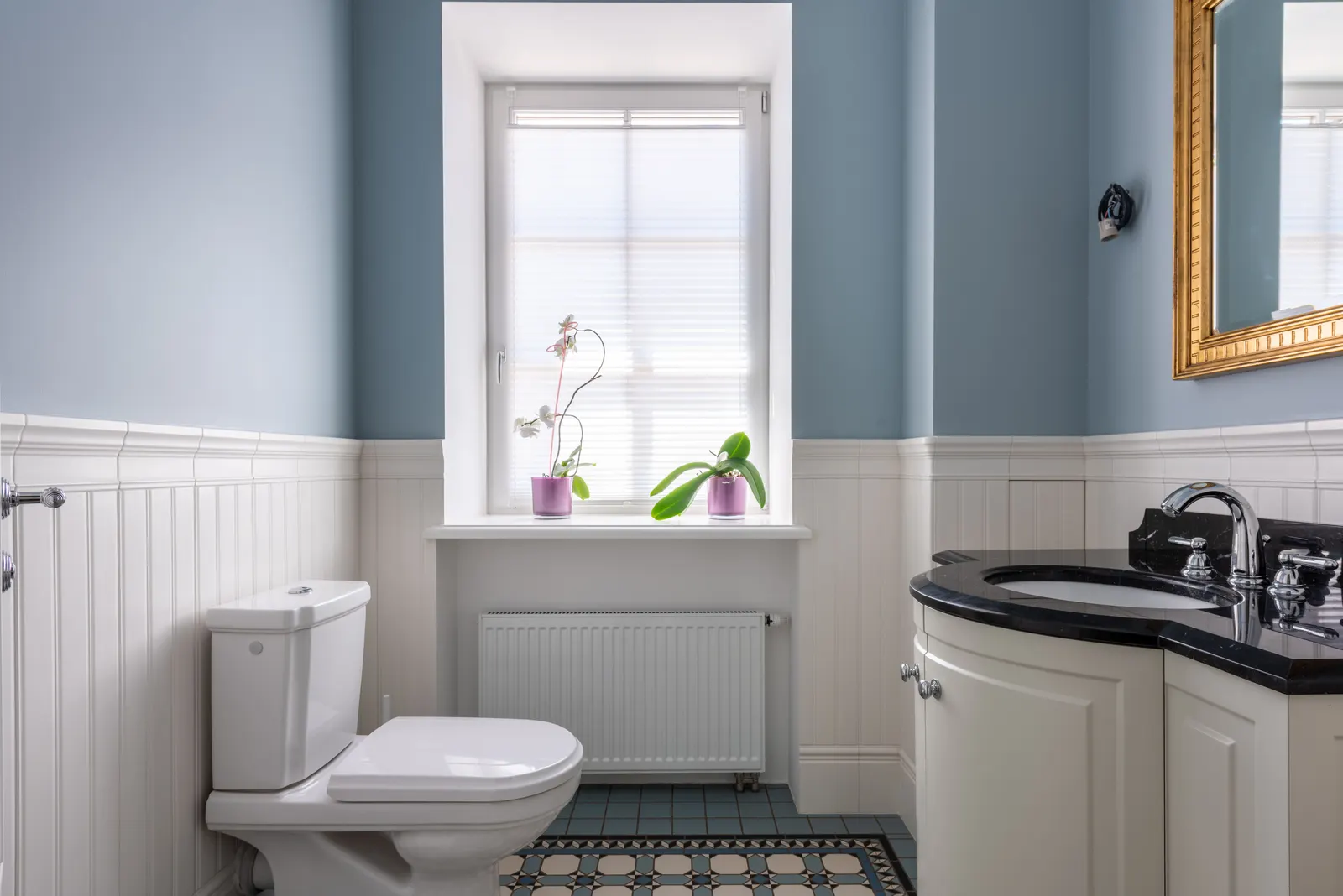
Water leaking into the toilet bowl all the time has two possible sources. Either the flush valve seal at the bottom of the cistern no longer closes, or the fill valve keeps topping the cistern up into the overflow. Shut the isolation valve and watch the water level for five minutes to see which part to fix.
Why water keeps running into the pan
A cistern has one way in and two ways out. Water comes in through the fill valve, the float-operated valve on the supply side. It leaves through the flush valve when you press the button, and through the overflow if the level ever gets too high. On most modern button-flush toilets, the overflow is a tube inside the flush valve that drains straight into the pan rather than out through a pipe in the wall.
That design is why a cistern fault shows up as water in the bowl. The Water Supply (Water Fittings) Regulations 1999 require every WC flushing cistern to have a warning pipe "or a no less effective device", and an internal overflow into the pan is the common way modern toilets meet it. The trickle you see running down the back of the bowl, or the ripple on the water surface, is the cistern telling you something inside is not closing.
Leaving it is not harmless. The water runs day and night, a metered household pays for every litre, and the constant flow leaves a brown limescale streak down the back of the pan that is hard to shift later.
The isolation valve test
Find the isolation valve on the pipe feeding the cistern. It is usually a small valve with a slotted screw or a little lever, just below or beside the cistern, or behind the flush plate on a concealed cistern. Turn the slot a quarter turn so it sits across the pipe, or the lever across the pipe, to shut it. Then lift the cistern lid and mark the water level with a pencil on the inside wall.
- The trickle stops within a minute and the level settles at the top of the overflow tube: the fill valve was the problem. It was letting in more water than it should and the extra was running down the overflow.
- The trickle carries on and the level drops below the mark: the flush valve seal is leaking. Water is escaping past the seal at the bottom of the cistern, and the fill valve was simply topping it back up.
- You cannot see the trickle clearly: put a few drops of food colouring in the cistern and wait 15 minutes without flushing. Colour in the bowl confirms water is getting past something in the cistern.
If the isolation valve will not turn, or it drips when you touch it, do not force it. Turn the water off at the main stopcock instead. Our page on stopcock repair covers a stopcock that is stuck.
When the flush valve seal is to blame
Most button-operated cisterns use a drop valve: a plastic column that lifts off a rubber seal when you press the button and drops back to close it. The seal is a flat or tapered rubber washer at the base. London water is hard, and limescale builds up on the seal and its seat until the valve no longer sits flat. A grain of grit or a sliver of scale is enough to let a thin stream past.
With the water off and the cistern flushed empty, most flush valves release with a quarter turn or a clip, without taking the cistern off the pan. Look at the seal. If it is hard, cracked or has a groove worn into it, a new seal is the fix. If it looks sound, clean the seal and the seat with a cloth and a mild descaler, rinse, refit and test again. Seals are brand-specific: Siamp, Fluidmaster, Wirquin and Geberit valves all take their own, and the part number is usually moulded on the valve body. Expect to pay a few pounds for a seal, or roughly £15 to £35 for a whole flush valve.
Older toilets with a lever and a siphon work differently. A siphon does not leak into the pan when it is in good order, because nothing sits below the water level to seal. If an older lever toilet trickles into the bowl, the usual cause is a water level set too high or a fill valve that is not shutting off, not the siphon.
When the fill valve is overfilling
The fill valve should shut off with the water level around 2 to 3 cm below the top of the overflow tube, and most cisterns have a water line moulded inside. If the level sits at or above the top of the overflow, water is running away continuously.
First, make sure the float can move freely and is not rubbing on the cistern wall or the flush valve. Then lower the shut-off level. On a side-entry valve with an arm, that is the adjusting screw near the pivot. On a bottom-entry valve such as a Fluidmaster, it is a threaded rod or clip on the float. Take it down a little, turn the water back on and let it refill.
If the valve still will not stop the water after adjustment, the diaphragm washer inside it is worn or has grit under it. Many valves, including Torbeck-style valves, can be opened, the washer rinsed or replaced, and the valve refitted. A whole new fill valve is usually £10 to £25 and is often quicker than repairing an old one. Our guide to a leaking toilet inlet valve covers a valve that leaks outside the cistern as well.
Concealed cisterns and when to call someone
A cistern hidden behind a wall panel or furniture is fixed in the same way, but everything is reached through the opening behind the flush plate. Most concealed frames are designed so the flush valve and fill valve lift out through that opening. If the plate is fixed with a clip you cannot find, or the frame is boxed in with no access, forcing it risks cracking tiles.
Call a plumber if the isolation valve will not shut, if the flush valve is glued or fixed to the cistern, if the cistern is concealed and you cannot get the plate off, or if the trickle is now joined by water on the floor. That last one points to a failing seal under the cistern as well, covered in our guide to a toilet bowl leaking.
The engineer carries common seals and fill valves, fits the right one, sets the water level and flushes several times to check the trickle has gone. A toilet repair visit is a £60 call-out at any hour, and the repair price is agreed with you on site before any work starts. Market rates for replacing a flush or fill valve on an ordinary close-coupled toilet commonly run from about £80 to £150 including the part.
Questions people ask
Why does water keep running into my toilet bowl after flushing?
Either the flush valve seal did not close properly after the flush, or the fill valve did not shut off and water is going down the overflow. Shut the isolation valve and see whether the cistern level falls. If it falls, it is the flush valve seal.
Is it safe to leave a toilet leaking into the bowl?
It will not flood, because the water goes down the pan. It does waste water continuously, stains the bowl, and on a meter it costs money. Turn off the isolation valve between flushes if you cannot fix it straight away.
Do I need to take the cistern off to replace the flush valve seal?
Usually not. Most modern flush valves unclip or twist off their base from inside the cistern once it is empty. The cistern only has to come off if the whole valve body or the cistern-to-pan washer needs replacing.
How do I know which flush valve I have?
Look for a brand name or a part number moulded on the valve body or the button housing. If there is none, take a clear photo of the valve and the seal to a plumbers' merchant, or take the seal itself.