Boiler & heating breakdowns
Boiler Gurgling or Bubbling Noise
Published
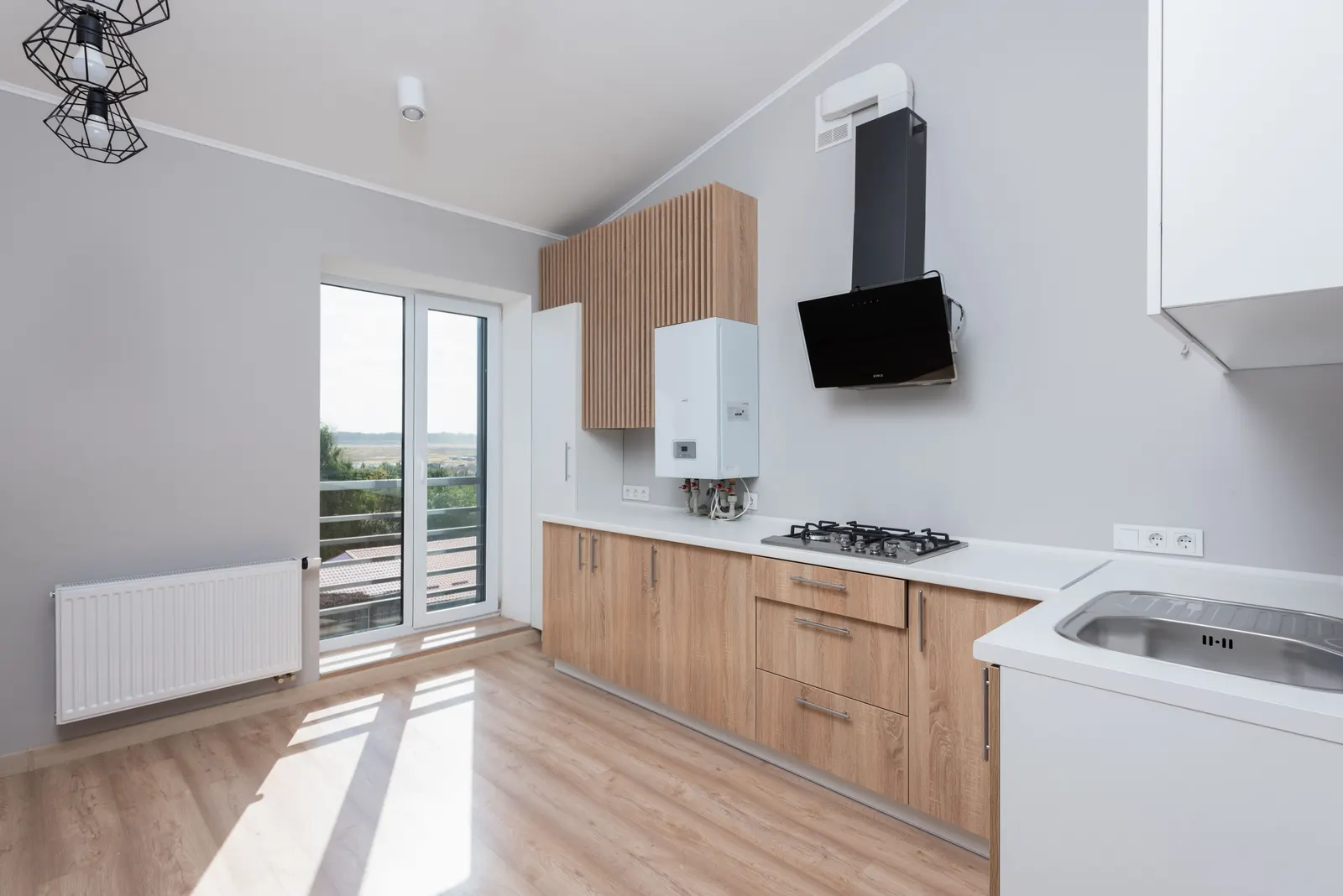
Gurgling or bubbling from a boiler is most often air in the heating water, usually because the pressure has dropped. In cold weather the other common cause is a frozen condensate pipe outside, which makes the boiler gurgle and then lock out. Both are safe to check yourself. A gurgle with a failing pump needs an engineer.
What makes a boiler gurgle?
Gurgling is the sound of air and water moving together. In a sealed heating system there should be almost no air, so a gurgle means some has got in, or that water is not flowing where it should. The usual causes are these.
- Air in the system, often after a drop in pressure, draining down for work, or a new radiator
- Low system pressure, which lets air collect and makes the pump struggle
- A frozen or blocked condensate pipe, which stops the boiler draining its waste water
- A worn or sticking circulating pump that is churning rather than pushing water
Is it the condensate pipe? The cold-weather gurgle
Every condensing boiler makes acidic waste water and drains it through a plastic pipe, usually around 21 to 32 mm wide. When that pipe runs outside, water sitting in it can freeze in a cold snap. The boiler then tries to push condensate past the ice, which makes a gulping or bubbling sound, and soon locks out with a fault code. On Worcester Bosch boilers this is often shown as EA, and other makes have their own codes for ignition or condensate faults.
Check this first if the weather is at or below freezing, the pipe runs outside, and the boiler has just stopped. Follow the pipe from the bottom of the boiler to where it leaves the wall, and look for ice at bends and on long horizontal runs, which freeze first.
- Fill a kettle and let it cool until the water is warm, not boiling. Boiling water can crack the plastic
- Pour it slowly over the frozen section, working from the end of the pipe back towards the wall. Work from the ground only, and watch for the water freezing on paths
- A hot water bottle or warm cloth held on the pipe also works
- Once the water runs freely, press the boiler’s reset button once
Never break into the boiler to reach the condensate trap. Our page on a leaking condensate pipe covers the pipe itself, and frozen pipes covers the rest of the house.
Gurgling all year: air and pressure
If the weather is mild and the boiler is still running, the gurgle is almost always air. You will often hear it most in the first few minutes after the heating starts, and you may also hear it in radiators or feel that the tops of radiators are cooler than the bottoms.
Air and low pressure go together. As pressure falls, air comes out of the water and collects at high points in the system. If the gauge reads under 1 bar cold, top it up through the filling loop to between 1 and 1.5 bar, then bleed the radiators, starting on the ground floor and finishing at the top. Bleeding lowers the pressure again, so top up once more at the end.
On an older open vented system, with a small feed and expansion tank in the loft, gurgling can mean that tank is low or its ball valve has stuck, so the system is not refilling. Check the tank has a few inches of water in it. If it is empty, the ball valve needs freeing or replacing.
If the pressure keeps falling and the gurgle keeps coming back, water is leaving the system somewhere. The guide on boiler pressure that keeps dropping goes through where to look.
When the gurgle means a part is failing
Some gurgles do not go away with bleeding and topping up. If the boiler gurgles constantly, the pump rattles or grinds, radiators heat slowly or unevenly, and the boiler locks out on overheat, the pump may be failing or the system may be heavily sludged. Air can also be drawn in through a faulty automatic air vent on the pump or through a system that has been poorly set up.
At that point bleeding more is not the fix. Switch the heating off if the boiler keeps locking out, and book an engineer.
Smell gas at any stage? Stop, open a window, turn the meter valve off if you can safely reach it, avoid switches and flames, and call the National Gas Emergency Service on 0800 111 999 from outside. Gurgling is a water problem, but a gas smell always comes first.
What an engineer does, and typical costs
An engineer will check the pressure and the expansion vessel charge, because a flat expansion vessel makes the pressure swing: it climbs when the water heats, the relief valve lets some out, and the pressure then falls too low when the system cools, which lets air in. They will test the pump, check the automatic air vent, clear the condensate trap and siphon inside the boiler, and look at how the condensate pipe is run. Pipe that runs outside should be at least 32 mm wide and insulated, and a short internal run is better still, so rerouting or upsizing it is a common permanent fix.
Typical UK market ranges give you an idea: re-pressurising an expansion vessel is usually part of a standard repair visit; a new circulating pump fitted is commonly £200 to £450; rerouting or insulating a condensate pipe is often a modest job. These are market ranges, not our prices.
Our central heating repair visit starts with the £60 call-out, and the repair price is agreed with you on site before any work starts. Gas work is carried out by Gas Safe registered engineers. If the boiler has locked out on a freezing night and the pipe will not thaw, emergency boiler repair covers that.
Questions people ask
Is a gurgling boiler dangerous?
Usually not. Gurgling is a water and air problem, not a gas one. The boiler may lock out to protect itself, but that is it working as designed. A gas smell is a separate emergency: ventilate, turn the gas off at the meter if safe, get out and call 0800 111 999.
Why does my boiler bubble when the heating first comes on?
Air collected in the system overnight gets pushed round in the first few minutes. Bleed the radiators and check the pressure. If it happens every morning, the pressure is probably dropping overnight.
Can I use boiling water on a frozen condensate pipe?
No. Use warm water or a hot water bottle. Boiling water can crack or warp the plastic pipe, which leaves you with a leak as well as a frozen boiler.
My boiler gurgles but the radiators are fine. Should I worry?
A small gurgle with good heat and steady pressure can wait for the next service. If it gets louder, the pressure starts dropping or the boiler begins locking out, get it looked at sooner.