Emergency help & costs
Is Home Emergency Cover Worth It?
Published
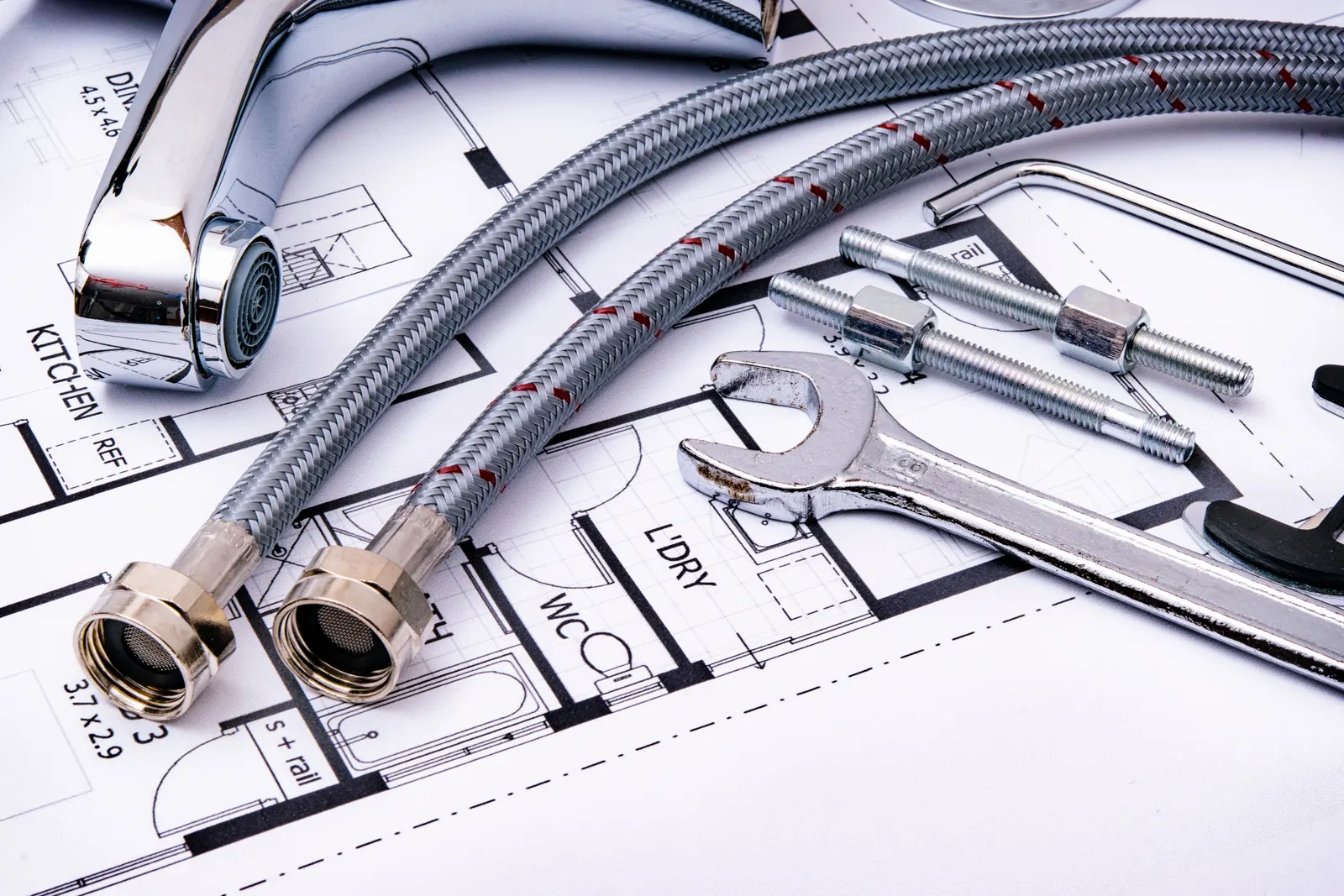
Home emergency or boiler cover is worth it if your boiler is past its warranty, a surprise repair bill would hurt, or you let out a property. It is poor value if you already have it through a bank account or home insurance, your boiler is under a manufacturer warranty, or you could set the premium aside yourself.
What home emergency cover actually pays for
Most policies pay for an engineer to come out in an emergency, make the home safe and carry out a temporary repair, up to a limit per claim. The words that matter are "make safe" and "temporary". If the pipe under your floor has burst, the policy pays to stop the water and patch the pipe. It does not usually pay for the ceiling below, which is a claim on your buildings insurance, and it may not pay to fix the pipe permanently.
There are two broad kinds of product. Home emergency cover is often sold as a cheap add-on to buildings or contents insurance and covers several things: plumbing and drainage, the main heating system, electrics, security after a break-in, lost keys and sometimes pests. Boiler cover plans are sold separately, usually monthly, and focus on the boiler and heating, often with an annual service included and, on higher tiers, a replacement boiler if yours cannot be repaired.
The difference between those two matters more than the brand. An add-on with a low claim limit is a safety net for one bad night. A boiler plan with a service is closer to a maintenance contract, and it is priced like one.
The small print that decides whether it pays out
Read these before you buy, because they are where most refused claims come from.
- Boiler age. Many policies exclude boilers over a set age, or cut cover back to a fixed contribution once the boiler reaches it.
- Servicing. Plenty of plans require a service in the last 12 months, and will ask for proof.
- Initial exclusion period. Faults in the first couple of weeks, sometimes the first month, are often not covered.
- Pre-existing faults. A boiler that was already losing pressure before you bought the policy may be refused.
- Claim limit. Add-on cover often caps each claim at a few hundred pounds up to around a thousand, including VAT, parts and labour.
- Sludge and limescale. Damage from a dirty system is commonly excluded, and some plans will only return after you pay for a power flush.
- Shared pipework. In flats, pipes serving more than one home, or outside your boundary, are usually not yours to claim for.
If your policy is new and the boiler fails in the first few weeks, check the exclusion period before you ring. You may be paying for the repair yourself whatever the policy says on the front.
Doing the maths for your home
Price the policy against what an emergency actually costs you without it. Home emergency add-ons to a home insurance policy are often under a hundred pounds a year. Boiler plans that include a service and parts commonly run to a few hundred pounds a year, and the most comprehensive tiers from the big providers cost more.
Against that, set the cost of the repairs you are most likely to need. On the open market a boiler service is usually somewhere around £100 to £150 in London, and common boiler repairs such as a pump, fan or diverter valve typically land in the low to mid hundreds fitted. Our own visits are the £60 call-out at any hour, and the repair price is agreed on site before any work starts, so you know the number before you commit. Plumber call-out charges explained sets out what that fee should and should not include.
If the boiler is under ten years old and serviced every year, the numbers usually favour putting the premium into a savings pot instead. If it is older, an unusual make, or the kind of model where parts are getting hard to find, a plan with a replacement option starts to look better, as long as the age rules do not already exclude it. Our guide on whether to repair or replace a broken boiler helps you judge where yours sits.
Check whether you already have it
A surprising number of people pay twice. Look in these places before you buy anything.
- Your buildings or contents insurance schedule, which may list home emergency as an optional extra you already added.
- A packaged or premium bank account, some of which include home emergency cover as a perk.
- Your boiler’s manufacturer warranty. New boilers commonly carry several years of warranty, sometimes much longer, if the installer registered it and it is serviced every year.
- A landlord insurance policy, if you let the property.
- Your tenancy agreement, if you rent. Boiler repairs are the landlord’s responsibility in almost every tenancy, so tenants rarely need cover for them.
Who it suits and who it does not
It tends to suit landlords with several tenants to keep warm, owners of older boilers who do not have a few hundred pounds spare for a sudden repair, and anyone who wants the annual service booked and paid for without thinking about it.
It tends not to suit people with a boiler under warranty, people in rented homes, and people who would rather choose their own engineer. With cover you usually take whoever the insurer sends, when they can send them, and in a cold snap that can mean a wait of a day or more because demand spikes for every provider at once.
If you are hit with a boiler failure tonight with no cover at all, emergency boiler repair is the direct route, and night and weekend plumber costs explains what an out-of-hours visit should cost elsewhere.
If you buy it and it lets you down
Most general insurance comes with a 14-day cooling-off period, so if the small print turns out worse than the sales page you can usually cancel in that window for a refund, less any cover you have used.
If a claim is refused or an engineer does not come, complain to the insurer in writing. They have eight weeks to give a final response. If you are unhappy with it, or they miss the deadline, you can take the complaint to the Financial Ombudsman Service, which is free, within six months of the final response. Check first that your plan is an insurance policy: some boiler care plans are sold as service contracts instead, and the ombudsman cannot look at those, so your route is the provider’s own complaints process and ordinary consumer law.
Do not assume the insurer will pay back an engineer you called yourself in an emergency. Many policies only pay for their own approved contractors, so ring the claims line first. The exception is a smell of gas: open windows, turn off at the meter if safe, avoid switches, then leave and call the National Gas Emergency Service on 0800 111 999 before anything else. If water is pouring through, turn off the stopcock, then ring. The difference between this cover and a buildings insurance claim is set out in water damage insurance: what is actually covered.
Questions people ask
Is boiler cover the same as home emergency cover?
Not quite. Home emergency cover usually spans plumbing, drainage, heating, electrics and security with a claim limit per call. Boiler cover focuses on the boiler and heating, often includes a yearly service and sometimes a replacement boiler.
Does home emergency cover pay for water damage?
Usually not. It pays to stop the leak and make a temporary repair. Damage to ceilings, floors and belongings is a claim on your buildings or contents insurance.
Will they replace my boiler if it cannot be repaired?
Only on plans that say so, and usually only for boilers under a set age that were serviced as the policy requires. Many policies pay a fixed contribution instead of a full replacement.
Do tenants need home emergency cover?
Rarely for the boiler or pipes, because the landlord has to repair those. A tenant might still want cover for things that are their own responsibility, such as lost keys or appliances they own.