Water supply problems
Stopcock in a Flat: Shared Supplies and Risers
Published
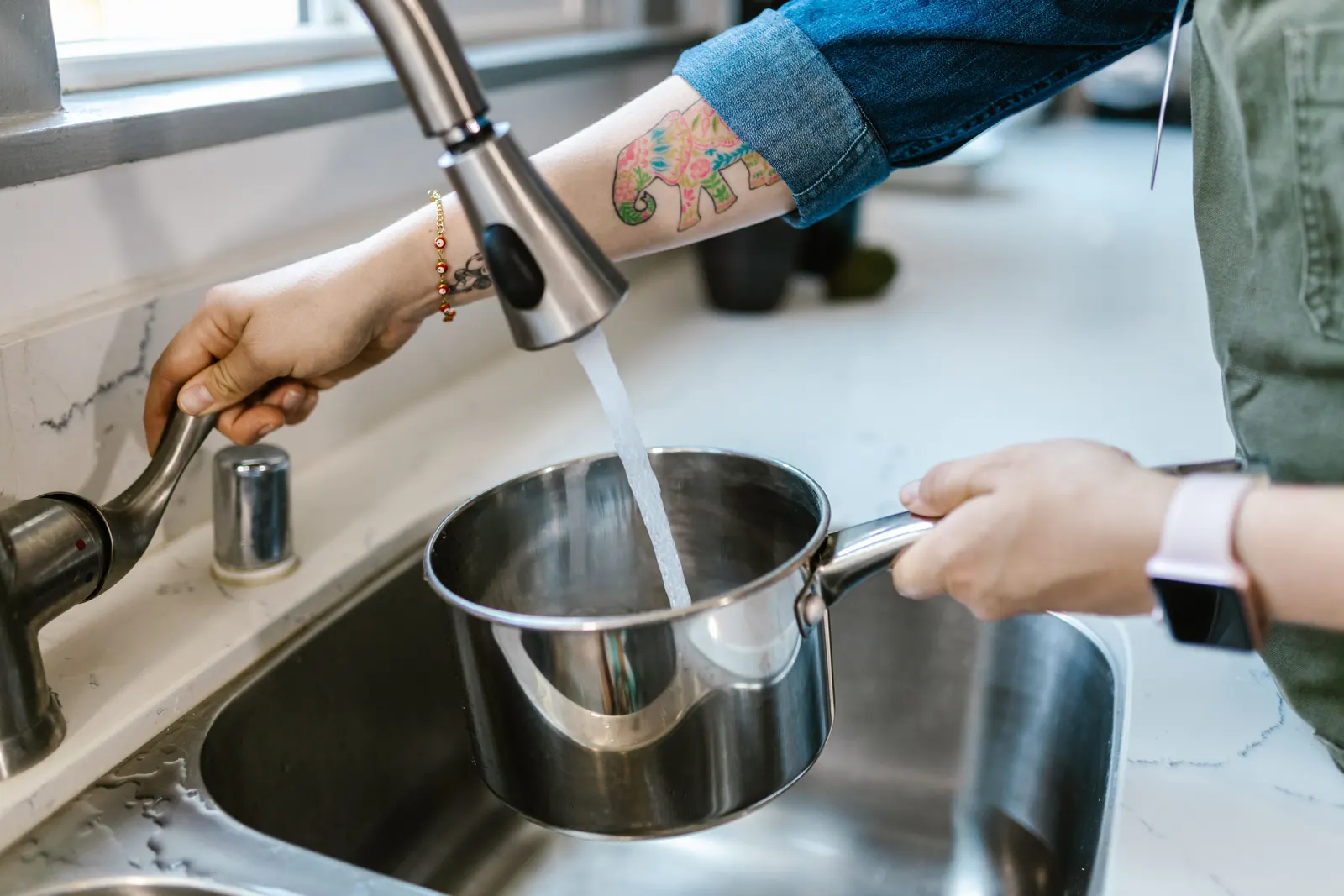
Most flats have their own stopcock inside the flat, usually in the kitchen, bathroom, airing cupboard or a hallway cupboard near the front door. If it is not there, it is likely in a communal riser cupboard, a ground-floor meter room or, in converted houses, a basement or another flat on a shared supply pipe.
Where to look first inside the flat
Start where the cold mains comes into the flat. In a purpose-built block that is usually close to the riser, the vertical service duct that carries pipes up the building, so look in cupboards on the wall nearest the communal corridor. The common places are under the kitchen sink, behind the bath panel, in the airing cupboard beside the cylinder, in the cupboard where the electric meter or consumer unit sits, and behind an access panel in a boxed-in section of wall.
In newer blocks the valve is often a lever-handled ball valve rather than a traditional round-handled stopcock. A lever in line with the pipe is open; a lever across the pipe is closed. Some developments label it, but many do not, so check the handover pack or tenancy inventory, which often notes the position.
- Kitchen: under the sink or behind the plinth under the units
- Bathroom: behind the bath panel, which usually unclips or unscrews at one end
- Airing or utility cupboard: on the incoming cold pipe near the cylinder or boiler
- Hallway: in the cupboard with the meters, or behind a small screwed access panel
When the valve is outside your front door
If there is nothing inside, the valve for your flat may be in the riser cupboard on your landing, labelled with the flat number or not labelled at all. Riser cupboards are normally locked with a utility key or a triangular key and are controlled by the managing agent or freeholder. There may be several valves in there, one per flat on that floor, plus a larger valve for the whole riser.
Be careful with anything you did not install. Closing the wrong valve in a riser can cut off a neighbour, or several floors, and on buildings with booster pumps it can make the pump set run against a closed valve or trip on a fault. If you are unsure which valve is yours, have someone in the flat run a cold tap while you close one valve at a time, and reopen each one straight away if your tap keeps running.
In the middle of a leak and cannot get into the riser? Phone the building’s out-of-hours number, usually on a notice in the entrance hall or in your lease pack, and ask for the concierge, porter or on-call maintenance contractor. They hold the keys and know which valve does what. The no water or burst supply emergency page covers what to do while you wait.
Converted houses: the shared supply problem
In a house split into flats, a single lead or copper supply pipe often came in from the street and was later branched off to each flat. The stopcock for the whole building may be in the basement flat, under the communal stairs, or in the ground-floor kitchen. Upper flats sometimes have their own valve added later, and sometimes do not.
The Water Supply (Water Fittings) Regulations 1999 deal with exactly this. Every pipe supplying separate premises must have a stopvalve placed so that each premises can be shut off without cutting off anyone else, and where a supply pipe serves two or more premises in common, it must have a stopvalve that each occupier has access to. Plenty of older conversions fall short of that. If your only control is behind a neighbour’s locked door, raise it with the freeholder or landlord, because fitting a separate valve to your branch is a straightforward job when the pipework is reachable.
A shared supply also means a leak in one flat can only be stopped quickly if someone can reach the shared valve. Swap numbers with the neighbour whose flat it is in, and agree that either of you can use it in an emergency.
Tank-fed flats and the valve on the tank
Some older blocks feed flats from a cold water storage tank on the roof or in a plant room, rather than directly from the mains. In those buildings the valve in your flat may be on a distributing pipe from the tank, not on a mains supply pipe. It still shuts off your cold water, but the flow is lower and the valve is often a gate valve with a wheel handle.
Gate valves are notorious for seizing and for failing to seal fully after years of being left open. If yours turns but water keeps trickling, you may need both it and the valve at the tank closed to stop a leak. That second valve belongs to the building, so it is a job for the managing agent’s contractor or an engineer they allow in.
Your hot water may come from your own cylinder or combi, or from a communal plant. If a leak is on the hot side and your stopcock only controls cold, closing it may not stop the flow; close the cold feed valve on your cylinder as well, or ask the building to isolate the hot supply to your flat.
Water coming through your ceiling from the flat above
You cannot shut off another flat’s water from yours, and you should not go into a riser and start closing valves to find theirs. Knock on the door above, and if nobody answers, phone the building’s emergency number or the freeholder. If water is near light fittings, turn off your electricity at the consumer unit, as long as the consumer unit itself is dry, put buckets down, and photograph the damage for insurance.
Our step-by-step guide to a water leak in a flat covers the first hour, and who pays when the leak is from upstairs explains how the lease and buildings insurance usually split the cost.
What an engineer does in a block of flats
An engineer will look for your own valve first, then check whether it actually seals: plenty of flat stopcocks turn freely but let water past because the washer or ball seat has worn. If your valve fails, they will need access to the riser or the building’s main, so it helps to have the managing agent’s number ready. In blocks with booster pumps, water may need to be isolated at the pump set, which is normally the building contractor’s job.
Common fixes are replacing a seized or passing stopcock, fitting a lever valve in an accessible spot, and adding an isolating valve for a flat on a shared supply. Market prices for a stopcock replacement on accessible pipework commonly run from about £100 to £250; it costs more where the riser has to be drained down or other residents notified. The stopcock repair service starts with a £60 call-out at any hour, and the repair price is agreed with you on site before any work starts.
If yours is stiff, the guide on how to turn off a stopcock explains how to move it without snapping the spindle.
Questions people ask
Who is responsible for the stopcock in a leasehold flat?
It depends on the lease. Pipes and valves that serve only your flat are usually yours to maintain, while those in the riser or serving several flats are the freeholder’s. Check the repairing clauses and the definition of the demised premises in your lease.
Can I turn off the water for the whole block?
Only in a real emergency and only if you know which valve it is. It cuts off every resident, and on pumped systems it can trip the booster set. Where there is a concierge or managing agent, let them do it.
My landlord says there is no stopcock in my flat. Is that allowed?
For installations fitted or altered since July 1999, the Water Supply (Water Fittings) Regulations 1999 expect each separate premises to be able to shut off its own supply without cutting off others; older pipework is not required to be upgraded. Ask your landlord in writing to fit one or to show you where your control is.
Why does water still trickle after I close the flat stopcock?
The valve is probably passing, meaning its washer or seat is worn, or the pipe is fed from a tank that has its own valve. Leave the stopcock closed, open the lowest cold tap to drain the pipe, and get the valve replaced.