Leaks & burst pipes
Thames Water Leak Allowance: Getting a Leak Taken Off Your Bill
Published
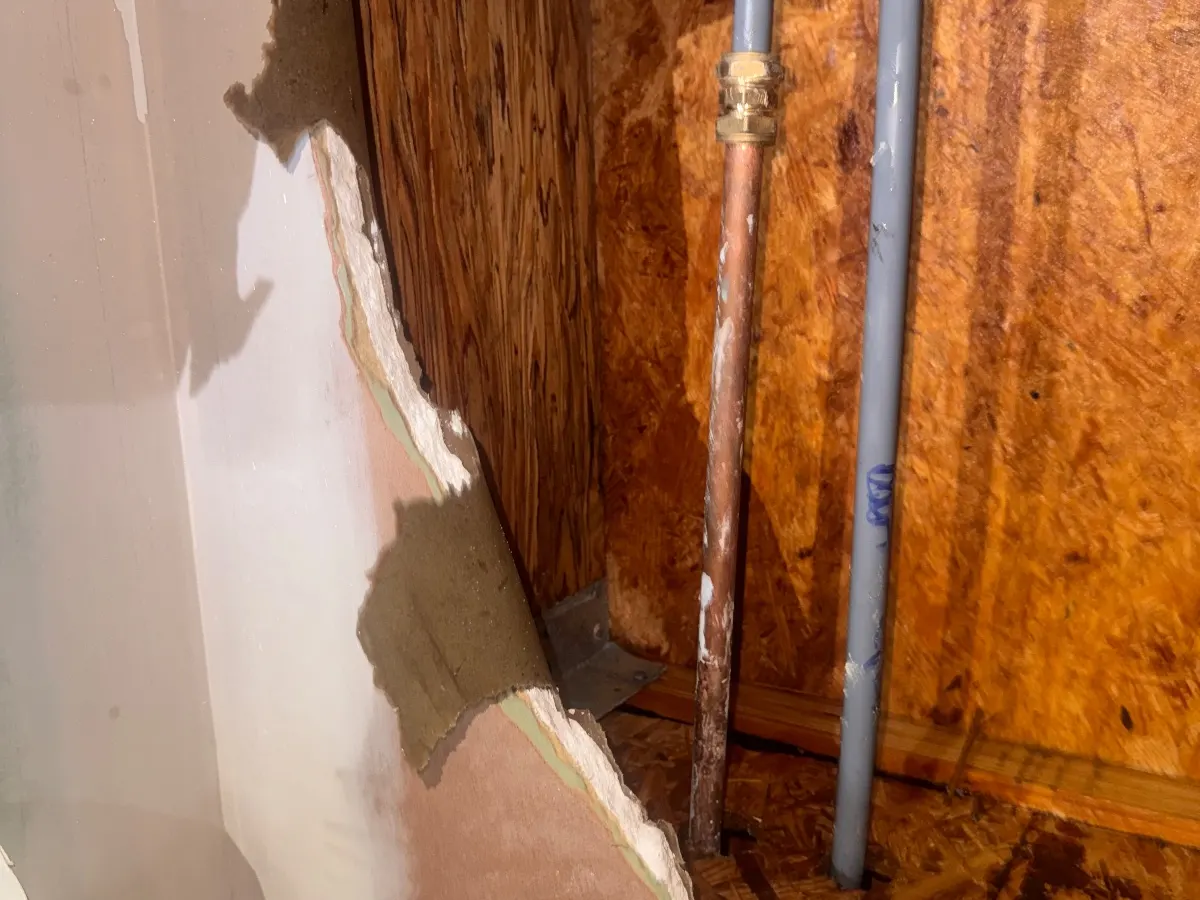
The Thames Water leak allowance credits a metered bill for water lost through a leak. You qualify if the leak is repaired within four weeks of being found, you can prove the repair with an invoice, and you claim within three months of the repair date. Internal leaks qualify once; supply pipe leaks can be claimed every time.
What is the Thames Water leak allowance?
It is a credit for water that ran away rather than water you used. It only matters on a meter, because a meter records everything that passes through it, leaks included, so a leak shows up as a bill far above your normal use. Unmetered bills are usually based on the rateable value of the property, so a leak does not change them.
Thames Water works the allowance out by comparing your meter readings during the leak with a comparable period before it, and credits the difference to your water and wastewater account. If there is no earlier history, they use typical use for a similar household, based on the size of the property and the number of people living there. An approved allowance can be backdated to when the leak started, up to a maximum of two years, and arrives as an adjusted bill. If another company handles your wastewater, Thames Water tells them so they can adjust that part too.
Who qualifies for a leak allowance?
Thames Water sets these conditions, and a claim that misses any one of them is normally refused:
- The leak was repaired within four weeks of being identified, or of Thames Water first telling you about it
- You can prove the repair with a plumber’s details and invoice, or a Thames Water job number if they did it
- You claim within three months of the repair date, even if the high bill has not arrived yet
- The repair was not carried out by Thames Water under a Section 75 notice after you ignored it
- The leak was not caused by negligence, and you did not know about it and leave it unrepaired
Renting? Thames Water asks tenants to check their tenancy agreement for who is responsible for arranging the repair before they claim.
The meter evidence: a wrong reading or a real leak?
Before you chase a leak, check the bill itself. Look at whether the reading is marked as actual or estimated. An estimate that follows months of low estimates can produce one large catch-up bill that has nothing to do with a leak. Read the meter yourself, compare it with the figure on the bill, and check that the serial number printed on the bill matches the one on your meter. In blocks of flats it is common to find a bill attached to the wrong meter.
If the reading is real, prove the leak with the half-hour test Thames Water asks customers to do. Photograph the meter at each step, because those dated readings are the evidence your claim rests on. Our guide on how to read a water meter explains the dials if you have not looked at one before.
- Turn off every tap, and make sure no toilet cistern is filling and no washing machine, dishwasher or water softener is running
- Read the meter and write the number down, or photograph it
- Close your inside stop valve, usually under the kitchen sink, and leave everything off for half an hour
- Read the meter again. If the number has moved, water is escaping between the meter and the inside stop valve: that is the underground supply pipe
- If the meter did not move with the stop valve closed, open it again and repeat the test with the valve open. Movement now means the leak is inside the house, on the pipework or fittings after the stop valve
For a suspected toilet leak, dry the back of the pan and lay a sheet of dry toilet paper there for a few hours or overnight without flushing. If it is wet or torn, the cistern is leaking into the bowl.
Thames Water says you have a leak: what the letter means
Thames Water can write or email to say it has identified a leak at your property. The message asks you to get the leak repaired, and the four-week clock starts from the day Thames Water reports it to you, not from the day you get round to checking. Leaks inside your property boundary are yours to fix, and that includes the supply pipe under the garden or drive as well as the plumbing indoors.
The letter also tells you what happens if nothing is done. Thames Water can serve a legal notice under Section 75 of the Water Industry Act 1991, carry out the repair and charge you for it, and a metered customer can lose the chance of having the lost water taken off the bill. In an emergency it may turn off your supply until the leak is repaired.
Who to call first depends on whether you agree with the letter:
- If you are not sure there is a leak, do the half-hour meter test above before booking anyone. It takes minutes and tells you whether the leak is on the supply pipe or indoors, which is what a plumber will ask first. A meter that keeps turning with everything off is covered in water meter running with no taps on.
- If the test confirms a leak, Thames Water’s own advice is to check your buildings insurance first, because the insurer may arrange and pay for the repair. Otherwise book a plumber, or a leak detection specialist if the leak is hidden or outside. The contract is between you and whoever you hire, not Thames Water.
- If the meter does not move with everything off, or you are on the Priority Services Register, WaterHelp or WaterSure, contact Thames Water before paying for any work.
- Once the repair is done, tell Thames Water using its leak fixed form so it can update its records. That step also starts your leak allowance claim, described below.
Get the leak fixed inside four weeks
Once a leak is confirmed, the clock matters more than the bill. Miss the four-week repair window and you can lose the allowance entirely, and on the supply pipe Thames Water can serve a formal notice, carry out the repair with their own contractors and recover the cost from you.
A running toilet or dripping tap is usually a small, quick job: a new flush valve seal or fill valve, or a tap cartridge. A leak on the supply pipe under the garden is bigger, because the pipe has to be found and either repaired or replaced. On older London houses the supply pipe is often lead or early polythene, and a replacement run is common rather than a patch.
Whoever fixes it, you need an invoice that names the plumber, the address, the date and what was repaired. We carry out leak repairs at any hour and put the repair on a written invoice. The £60 call-out covers the visit, and the repair price is agreed with you on site before any work starts.
If you are on the Priority Services Register or on the WaterHelp or WaterSure schemes, ask Thames Water whether they will fix a supply pipe leak for you. Their leakage code of practice says they may help at their discretion in those cases, up to where the pipe enters the building but not under it.
The leak allowance form: what Thames Water asks for
Thames Water runs the claim in two steps. First you complete the leak fixed form, which confirms the repair is done. Only then do you complete the leak allowance form itself, which you reach from thameswater.co.uk/leakallowance. Fill in every part, including the meter readings; Thames Water says a complete form lets them work out the allowance faster and more accurately.
Keep this together before you start:
- The plumber’s invoice with their name and contact details, your address, the repair date and what was fixed
- Your meter reading and photo from the day the leak was found, and from the day it was repaired
- A reading a few weeks after the repair, showing use has dropped back to normal
- Any earlier bills with actual readings, so the comparable period is easy to find
The three-month limit runs from the repair date, not the bill date. Send the claim as soon as the invoice is in your hand.
Why a claim gets refused, and what to do about it
The biggest trap is the difference between the supply pipe and your internal plumbing. Thames Water allows claims for supply pipe leaks as many times as you need, but for internal pipework it allows one claim only, once. Their code of practice also says they do not usually make an allowance for leaks on pipes or fittings beyond the internal stopcock unless, in their view, you could not reasonably have known about it. A pipe weeping inside a wall or under a floor is easier to argue than a toilet you could hear running.
Claims are also refused where the company had already told you or a previous owner that the supply pipe needed replacing and it was not done, or where you knew about the leak and left it. That is why the date on the invoice matters: it shows you acted. If you fall outside the rules but have exceptional circumstances, say so; Thames Water states that it considers every claim individually.
If you disagree with the decision, use the water company’s complaints process first. If you are still unhappy after that, or the complaint is more than eight weeks old, the Consumer Council for Water gives free independent advice and can take the case up for you.
Help with water bills while the allowance is assessed
Even with an allowance, a large bill can arrive before the credit does. Tell the water company straight away rather than letting it go to arrears. Thames Water lists several schemes: WaterHelp, a social tariff for households on low incomes; WaterSure, a bill cap for metered customers on income-related benefits with a large family or a medical condition that uses a lot of water; an Affordable Payment Plan for when monthly payments are out of reach; Water Direct, which takes payments from benefits; and a Customer Assistance Fund for older debt. Other companies inside the M25 run their own versions under different names.
Ask whether the high bill can be put on hold while the leak allowance is assessed, and send the invoice with that request. A meter reading that settles back to normal after the repair is the strongest evidence you have.
Questions people ask
Can I get money back for a water leak on my bill?
Usually, if you are metered and act quickly. Thames Water gives a leak allowance where the leak is repaired within four weeks, you can prove the repair with an invoice, and you claim within three months of the repair.
How far back can a Thames Water leak allowance go?
An approved allowance can be backdated to when the leak started, up to a maximum of two years. It is based on your normal use for a comparable period, or typical use for a similar household if there is no history.
Does a dripping tap or running toilet count for a leak allowance?
Thames Water treats these as internal leaks. Internal leaks can qualify only once, and they do not usually give an allowance past the internal stopcock unless you could not reasonably have known about it.
Who pays to fix a leak on my supply pipe?
You do. The supply pipe from the boundary into the house is the owner’s responsibility. Thames Water may help at its discretion for customers on its Priority Services Register, WaterHelp or WaterSure.
I am not on a meter. Does a leak put my bill up?
Not directly, because an unmetered bill is usually based on the rateable value of the property, not use. You still have to repair a confirmed leak, and the water company can require it.