Toilets, taps & fixtures
Toilet Leaking From the Back Pipe
Published
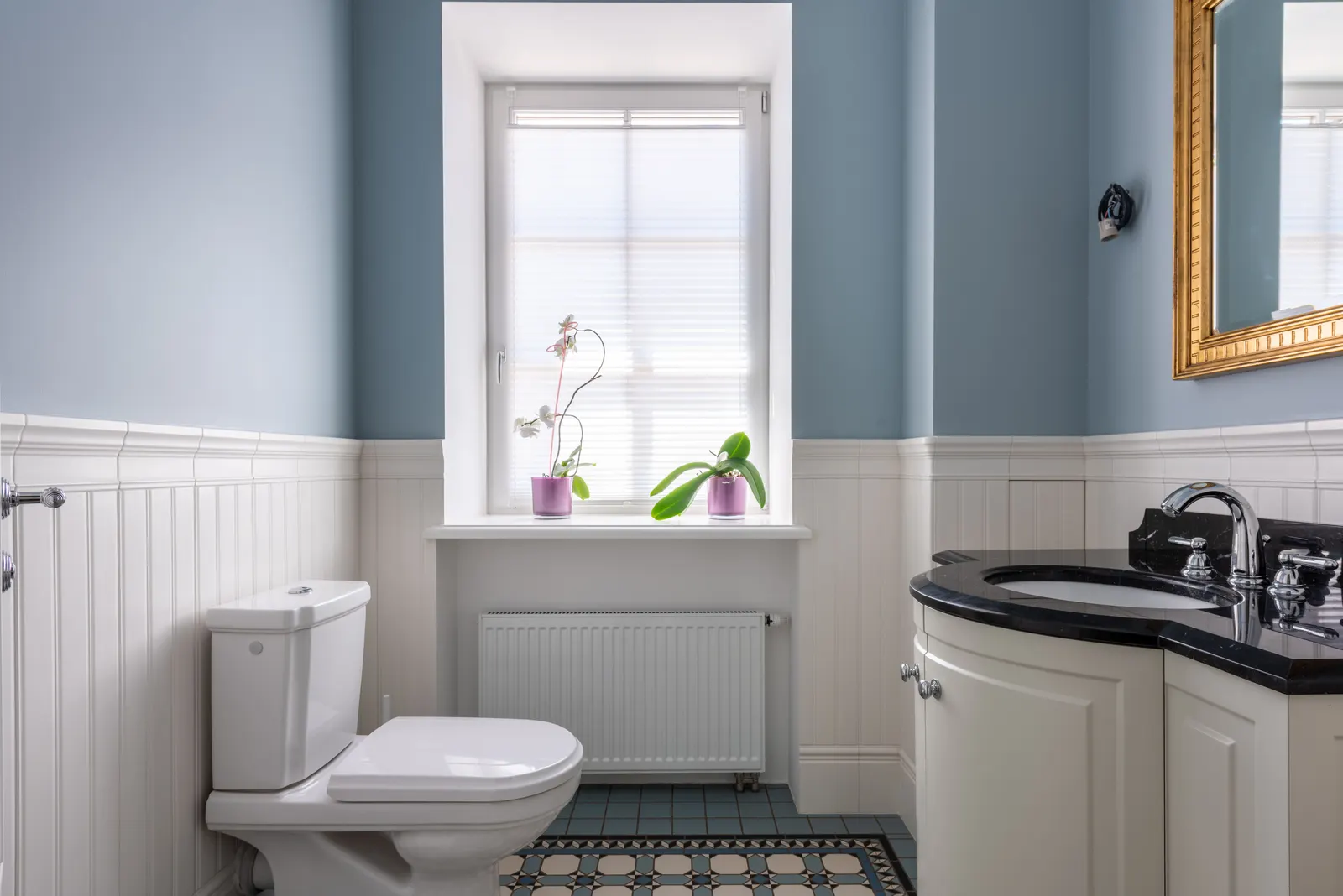
Work out which pipe it is first. The thin pipe to the cistern is the water supply and leaks all the time. A slightly bigger one through the wall is the overflow. The fat pipe from the bottom of the pan to the wall is the waste, and a leak there only appears when you flush and is dirty water.
Which pipe at the back of the toilet is leaking?
Most people say "the back pipe" because that is where the water seems to come from, but the back of a toilet can have up to four separate pipes, and each one fails for different reasons. Size and position tell you which is which.
- Water supply: a thin pipe, usually 15mm copper or a braided flexible hose, running to the underside or the side of the cistern through a small isolation valve. Always under pressure.
- Overflow or warning pipe: a white plastic pipe, usually about 19mm to 22mm across, leaving the cistern and going through the wall to the outside. Only found on older cisterns; most newer ones overflow into the pan.
- Flush pipe: only on a toilet with a wall-mounted cistern, low-level or high-level, the wide pipe from the cistern down into the back of the pan. Carries water only during a flush.
- Waste pipe or pan connector: the large fitting, about 110mm, joining the outlet at the bottom rear of the pan to the soil pipe in the wall or floor. Carries everything you flush.
If the water is discoloured or smells, assume it is from the waste side. Wear gloves, keep children and pets away and disinfect the floor after you have mopped it.
Timing tells you most of the answer
Dry the whole area, including the floor behind the pan, and put a sheet of kitchen roll flat on the floor under the pipes. Leave it for twenty minutes without using the toilet. If it gets wet, the leak is on something that is under pressure all the time, which means the supply pipe, its isolation valve or the fill valve connection.
If the kitchen roll stays dry, flush once and watch. Water that appears straight away at the top of the pan, where the flush pipe goes in, is the flush pipe cone. Water that appears a few seconds later at floor level around the big outlet is the pan connector. Water that only drips once the cistern has refilled, from the overflow pipe or down the outside wall, means the fill valve is not shutting off properly.
This order matters because each answer leads to a different part, and buying the wrong one is the most common way a simple fix turns into two trips to a merchant.
Leaking from the supply pipe
A leak from the thin supply pipe is usually at a joint rather than the pipe itself. The usual culprits are the compression nut on the isolation valve, the nut where a flexible hose meets the fill valve tail, or a braided hose that has started to rust or bulge. Tighten a weeping compression nut a quarter turn while holding the valve body still with a second spanner. A braided hose that is rusty, kinked or swollen should be replaced, not tightened, because the inner rubber has already started to fail.
Turn off the isolation valve before you touch anything. If there is no isolation valve, or it will not shut, turn off the main stopcock. Toilet inlet valve leaking covers the joints on this side in more detail, and an isolation valve leaking covers the valve.
Leaking from the big pipe at the bottom
A toilet leaking from the pipe at the bottom rear only when flushed is almost always the pan connector, the plastic or rubber fitting that joins the pan outlet to the soil pipe. The rubber fins inside it harden over the years, and a pan that rocks slightly every time someone sits down eventually pulls it out of line. Older toilets may instead be sealed into a clay collar with cement or mastic, which cracks and lets water seep out at floor level; a toilet that leaks at the base without being flushed has different causes.
Do not keep using a toilet with a leaking pan connector if you can avoid it. Every flush puts a little dirty water into the floor, and on a timber floor that water soaks into the boards and joists out of sight. Close the lid, put a sign on it and use another toilet until it is repaired. The details of that job are in a toilet pan connector leaking.
Leaking from the flush pipe or the overflow
On a low-level or high-level toilet the flush pipe pushes into a rubber cone in the back of the pan, and a perished cone is the most common of the faults on a low level toilet. When the cone perishes, flush water sprays or dribbles out at the top of the pan each time. A new cone is a cheap part, usually under £10, and fitting one is a matter of pulling the pipe out, swapping the cone and pushing the pipe back squarely. If the pipe itself is cracked, it will need replacing, and old lead or metal flush pipes can be hard to match.
A dripping overflow pipe is not really a leak in the pipe. It is doing its job, telling you the water level in the cistern is too high, because the fill valve is set too high or is not closing. That is covered in a toilet overflow pipe leaking and a toilet refill valve leaking.
When to call a plumber and what it involves
Call someone if water from the supply side will not stop at the isolation valve, if a flexible hose has split, if dirty water is leaking on every flush, or if a ceiling below the bathroom is marking. Our toilet repair visit starts with the £60 call-out at any hour, and the repair price is agreed with you on site before any work starts.
A supply joint or flexible hose is usually a short job. A pan connector replacement means isolating the cistern, emptying the pan, unscrewing the pan from the floor, pulling it forward, fitting a new connector and refixing the pan so it cannot rock. As a typical market guide, supply-side fixes often cost around £80 to £150 and a pan connector replacement around £100 to £200, depending on access and whether the old connector comes out cleanly.
Questions people ask
Why is my toilet leaking from the pipe at the back when I flush?
If the leak appears at floor level a few seconds after flushing, it is the pan connector joining the pan to the soil pipe. If it appears at the top of the pan on a toilet with a wall-mounted cistern and flush pipe, it is the flush pipe cone.
Is it safe to use a toilet leaking from the back pipe?
If the supply pipe is leaking, turn off the isolation valve and flush with a bucket. If the waste pipe is leaking, stop using it, because every flush puts dirty water into the floor.
Can I fix a leaking pan connector with sealant?
Only as a very short stopgap. The joint moves every time someone sits down and sealant rarely holds on wet plastic. The lasting fix is a new connector and a pan that is screwed down firmly.