Leaks & burst pipes
Banging Pipes When Taps Turn Off (Water Hammer)
Published
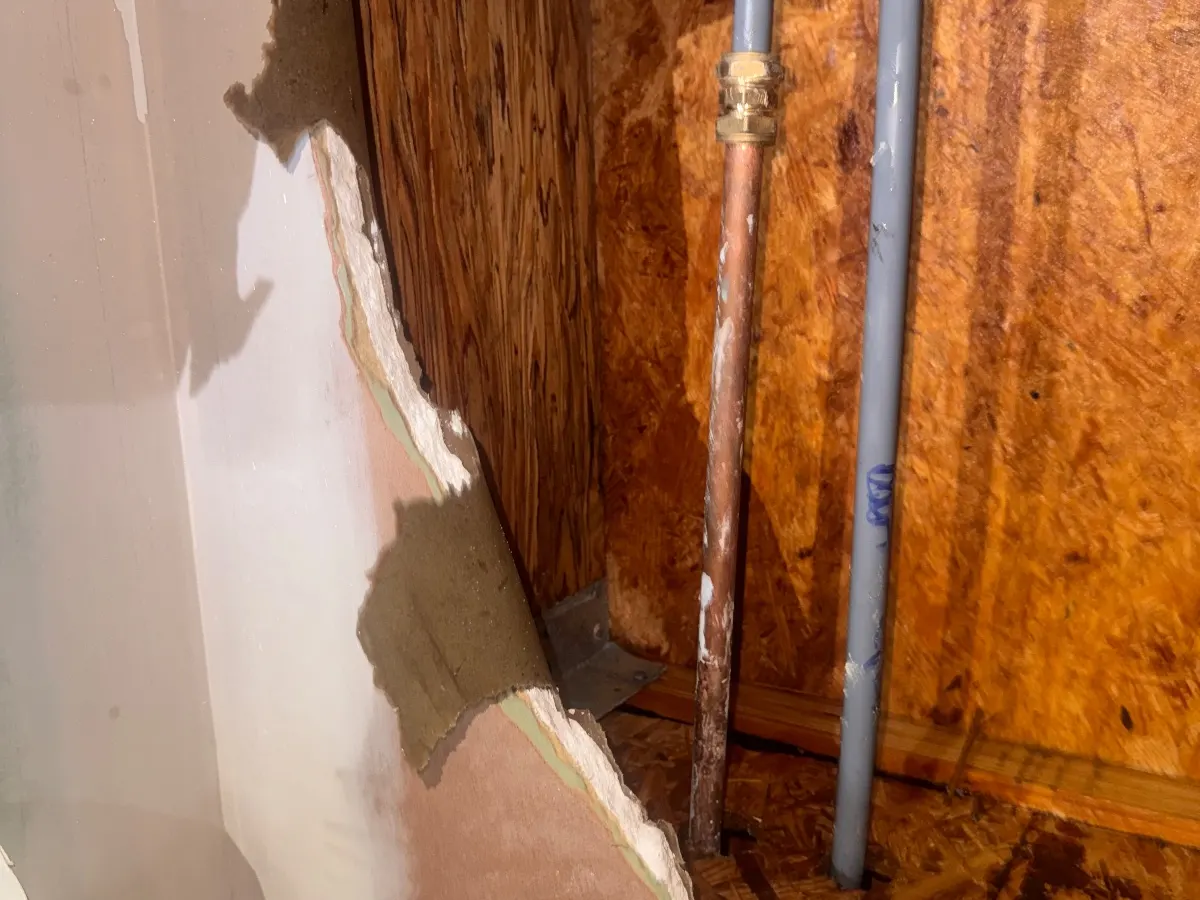
A single thud when a tap or appliance valve shuts is water hammer: moving water stopped too quickly sends a pressure wave back along the pipe. The usual causes are high mains pressure, a fast-closing valve and loose pipe clips. Find the fitting that sets it off, then fix that point, because repeated shocks loosen joints and can start leaks.
Is it water hammer, or a different noise?
Plumbing makes several noises that people call banging, and they have different causes. Water hammer has a clear signature: one sharp knock, sometimes followed by a short rattle, at the moment water stops flowing. It happens on the cold mains or the hot water feed, not the heating.
- A bang the instant a tap is turned off, a toilet stops filling, or the washing machine or dishwasher stops drawing water: water hammer
- A juddering or machine-gun rattle while a tap is running, often at part flow: usually a worn tap washer or a float valve bouncing in a cistern
- Ticking and creaking as the heating warms up or cools down: pipes expanding against joists or notches. See radiator noise
- Banging or kettle-like rumbling from the boiler when the heating is on: that is the boiler, not the pipes. See boiler banging noise
Find the fitting that sets it off
Water hammer always starts at a valve that closes. The pipe that bangs can be some distance away, because the pressure wave travels along the run until it hits a bend or a loose section. So test one fitting at a time.
- Open each cold tap fully, then close it sharply. Note which ones cause the bang
- Flush each toilet and listen at the moment the cistern stops filling
- Run the washing machine and dishwasher and listen when they stop taking water. Their inlet valves are electric solenoids and slam shut, so they are the most common trigger
- If you have a combi, run a hot tap and shut it quickly. The hot side of a combi runs at mains pressure, so it can hammer just like a cold tap
- Once you know the trigger, go to the pipe run from it and feel for pipes that move when you push them
If the bang happens whatever you shut off, the problem is the pressure in the whole house rather than one valve. That points to high mains pressure or a failing pressure-reducing valve.
Is banging in the pipes dangerous?
One bang will not burst a pipe. The damage is cumulative. Every shock pushes the pipe sideways against its clips and stresses the joints at the end of the run. Over months, compression nuts creep loose, soldered joints crack, push-fit connectors on plastic pipe can start to weep, and the braided hoses on flexible tap connectors and washing machines take repeated hits they were not made for.
The Water Supply (Water Fittings) Regulations 1999 require every water fitting to be strong enough to resist the pressure surges it is likely to face, and to be adequately supported. A loose, unclipped run that bangs every time a valve shuts falls short of the second part. If you have banging and you have also noticed a damp patch, a drip under a sink or a stain on a ceiling below a bathroom, treat it as a leak first. Our leak repairs service fixes the joint and the cause of the hammer in the same visit. The £60 call-out covers the visit, and the repair price is agreed with you on site before any work starts.
Fixes, from the free ones to the plumber’s
Work through these in order. Most houses are fixed by one of the first three.
- Close taps more slowly. Quarter-turn ceramic disc taps shut in a fraction of a second and are a common trigger. Turning them off gently can be enough
- Clip the pipe. A loose pipe that hits a joist or a floorboard makes a small shock sound huge. Adding clips about every metre on copper, or every 300mm on plastic pipe, and packing pipes where they pass through notches, often cures the noise even if the pressure wave is still there
- Turn the stopcock down a little. If the pressure is high, partly closing the stopcock reduces the flow and the size of the shock. Do not close it so far that the combi or showers lose flow
- Fit a mini water hammer arrestor at the appliance. A small arrestor fitted between the washing machine or dishwasher valve and the hose absorbs the shock right where the solenoid slams shut
- Change the float valve in a cistern. An old piston-type BS 1212 Part 1 valve can bounce and hammer as it closes. A diaphragm valve, Part 2 or Part 3, or an equilibrium valve closes more smoothly
- Fit or replace a pressure-reducing valve. If the mains pressure is high across the house, a pressure-reducing valve after the stopcock brings it down for every fitting
High mains pressure and pressure-reducing valves
If every fitting bangs, measure the pressure. A pressure gauge that screws onto an outside tap or a washing machine valve gives a reading in bar with everything else turned off. Many houses on the lower slopes of a supply zone see noticeably higher pressure than those uphill, and pressure is often higher at night when demand drops, which is why the banging can seem worse late in the evening.
Compare the reading with the maximum inlet pressure in the manuals for your combi boiler, unvented cylinder, electric shower and washing machine. If the pressure is above what any of them accept, a pressure-reducing valve is the fix. If you already have one and the hammer has started recently, the valve may have failed open. The guide to pressure-reducing valve problems covers the signs.
What the plumber does on the visit
A plumber starts by reproducing the bang and finding the trigger, then measures the static pressure and the pressure with a tap running. From there the job is one or more of: clipping and packing the pipe run, fitting an arrestor at the appliance, replacing the cistern float valve, and fitting or resetting a pressure-reducing valve. They also check the joints and connectors at the end of the run the shocks have been hitting, and tighten or replace any that are weeping. A new isolating valve is often part of it, because old ones seize and leak. See isolation valve leaking for that one.
Questions people ask
Can water hammer burst a pipe?
Rarely in one go. The risk is gradual: repeated shocks loosen compression nuts, crack soldered joints and strain flexible hoses until one of them leaks.
Why do my pipes bang when the washing machine fills?
Its inlet valve is an electric solenoid that shuts almost instantly. A mini water hammer arrestor fitted at the machine’s valve usually cures it.
Why is the banging worse at night?
Mains pressure is usually higher at night when fewer people are drawing water, so the pressure wave when a valve closes is bigger.
Will bleeding the radiators stop banging pipes?
No. Water hammer is on the mains and hot water pipes, not the heating. Bleeding radiators only helps noises from air in the heating system.