Boiler fault codes
Baxi E119 Fault Code: Heating Pressure Has Dropped Too Low
Published
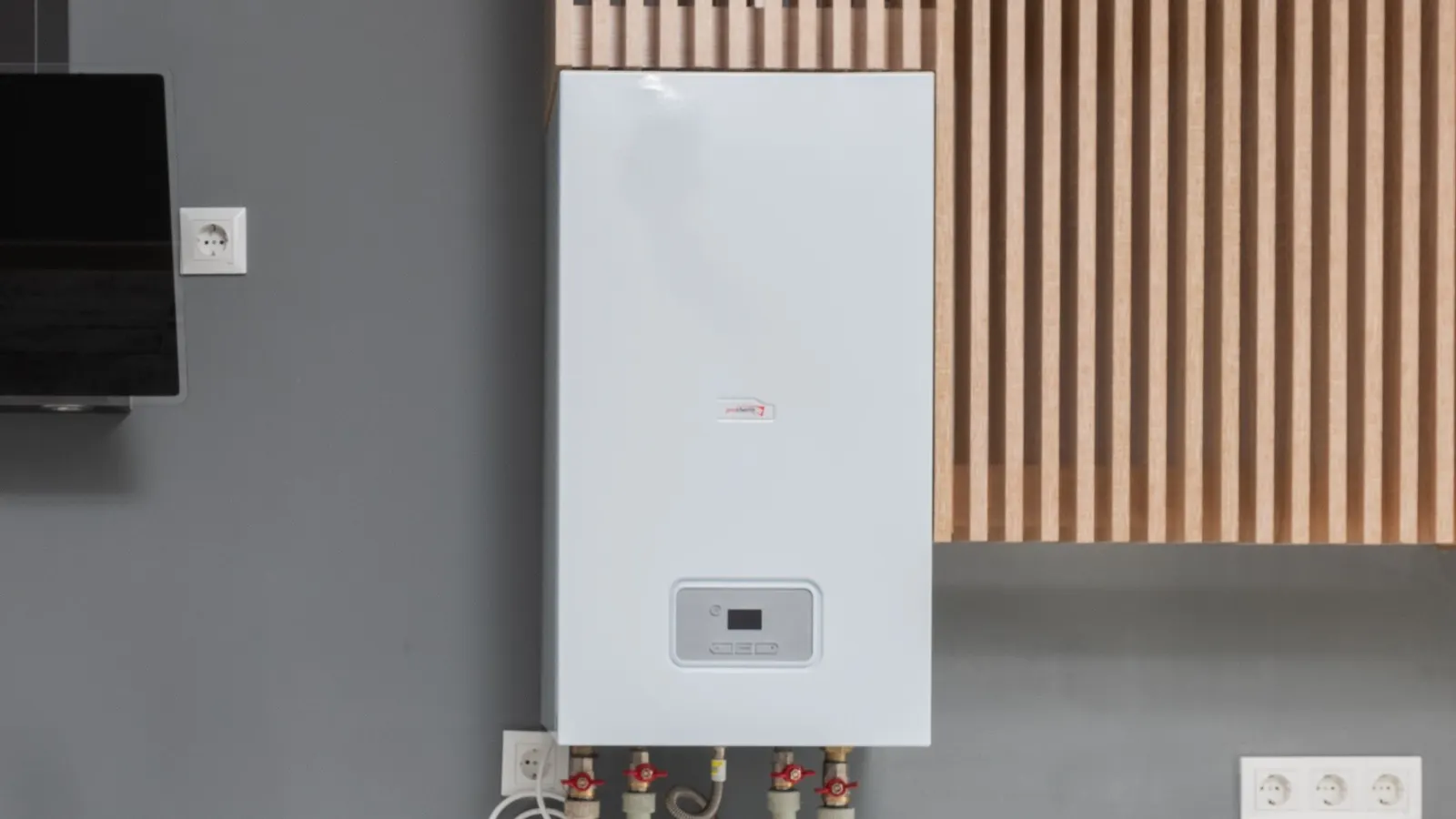
Baxi display
E119
What it means
E119 means the water pressure in the heating circuit has fallen below the minimum the boiler will run on, about 0.5 bar. The boiler shuts down until the pressure is restored.
Safe to check yourself
- Read the pressure gauge with the boiler cold
- Top up with the filling loop or built-in filling link to 1 to 1.5 bar, then close it fully
- Look for drips under the boiler, at radiator valves and on exposed pipework
- Check the copper pressure relief pipe where it ends outside for water or staining
- Note the gauge reading each morning for three days
Call an engineer if
- The pressure drops back below 1 bar within a few days of topping up
- The gauge climbs towards 3 bar when the heating runs
- E119 shows while the gauge reads normal pressure
- Water is coming from inside the boiler casing
- You smell gas: ventilate, turn the gas off at the meter if you can reach it safely, touch no switches, then get out and call the National Gas Emergency Service on 0800 111 999 first
E119 on a Baxi boiler is a low-pressure lockout. The heating water has dropped below about 0.5 bar, so the boiler stops to protect itself. Top it up to 1 to 1.5 bar and it should restart on its own. If you have to do that more than once, something is losing water.
Why has my Baxi boiler gone to E119?
A sealed heating system holds its water at a set pressure. On older Baxi displays E119 appears as E1 then 19. Baxi describes it as "water pressure switch not operated": the switch has seen the pressure fall to around 0.5 bar. That pressure has gone somewhere, and there are only a few places it can go.
- A slow leak at a radiator valve, a joint under the floor or inside the boiler.
- The pressure relief valve letting by. It opens at 3 bar and dumps water through a copper pipe to outside, often without anyone noticing.
- A flat expansion vessel. The pressure then swings high when the heating is on, the relief valve opens, and it falls low again when it cools.
- Radiators recently bled, which lets air out and pressure drop with it.
- A faulty pressure switch or sensor, when the gauge reads fine but the boiler still shows E119.
How do I top up the pressure?
Turn the boiler off at the controls and let it cool. Find the filling device underneath. Some Baxi models have a built-in filling link, shown in the user guide; open it slowly and close it at 1 to 1.5 bar. Most have a filling loop with two taps: open one fully, then open the second slowly while you watch the gauge, and close both at 1 to 1.5 bar. Detach a removable loop once you are done, because a tap left slightly open will keep filling and push the pressure too high.
You do not need to reset for E119. Once the pressure is back, the boiler should start again by itself. If the gauge fills but E119 stays on screen, stop there: that points to the pressure switch, not the water. Our Baxi boiler pressure guide has model-by-model pictures of where the gauge and taps sit.
Never top up with the heating hot and never go past 2 bar cold. Over-filling makes the relief valve open, which loses the water you just added and can leave a valve that no longer seals.
E119 keeps coming back. What is losing the water?
Work through it in this order. First, look outside for the copper relief pipe near the boiler. If its end is wet, dripping or stained, the relief valve has been opening. Next, watch the gauge with the heating off and then after an hour of heating. A rise of more than about 1 bar usually means the expansion vessel has lost its air charge. Last, check every radiator valve and visible pipe with dry tissue, and look for damp patches on ceilings under pipe runs.
If none of those shows anything, the leak may be hidden under a floor or inside the boiler, where you should not go looking. If the gauge keeps falling day after day with no visible water, that is the point to book a leak check. For other routes to lost pressure, see why boiler pressure keeps dropping.
What the engineer checks and typical costs
An engineer tests the expansion vessel charge with a gauge on its valve, checks whether the relief valve is passing, and leak-checks the heat exchanger and internal joints. If the gauge and the boiler disagree, they test the pressure switch or sensor. Typical market ranges for fitted parts are roughly £100 to £200 for a pressure relief valve and £150 to £350 for an expansion vessel replacement, while a vessel that only needs re-charging is usually done within the visit. These are industry ranges, not our prices.
Our visit starts with the £60 call-out at any hour, and the repair price is agreed with you on site before any work starts. Gas work is carried out by Gas Safe registered engineers. If you have a leak you can see, the boiler pressure repair service covers it; for anything else use the Baxi boiler repair page.
Questions people ask
Can I use the heating with E119 showing?
No. E119 is a lockout: the boiler will not fire for heating or hot water until the pressure is restored. Top it up to 1 to 1.5 bar and it should restart.
Is it normal to top up a Baxi boiler every week?
No. An occasional top-up, for example after bleeding radiators, is normal. Needing to re-pressurise regularly points to a leak, a passing relief valve or a flat expansion vessel, so have it checked.
What is the difference between E119 and E118 on a Baxi?
Both are low-pressure codes on different generations of Baxi boiler. The EcoBlue range uses E118. The fix is the same: top up and find the cause if it repeats.