Boiler & heating breakdowns
Is Low Boiler Pressure Dangerous?
Published
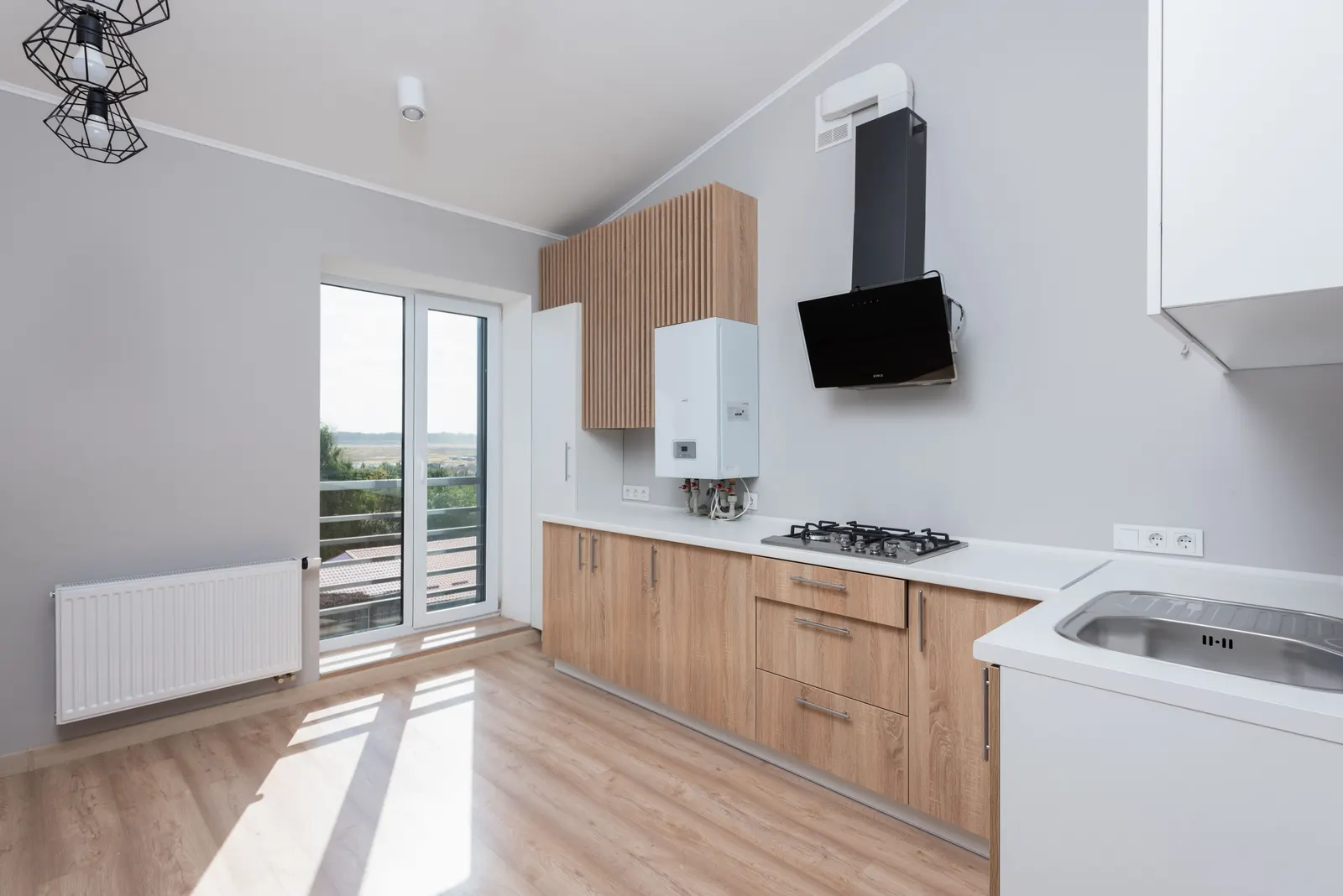
Low boiler pressure is not dangerous in itself. It cannot cause an explosion or carbon monoxide, and the boiler shuts down on its own before any harm is done. The risks come from what caused it: a leak that can soak ceilings and wiring, and a cold home for anyone vulnerable while the heating is off.
What counts as too low?
On most sealed systems, the pressure gauge should read between 1 and 1.5 bar when the heating has been off for a few hours. Below 1 bar it is low and worth topping up. Many gauges shade the lowest part of the dial in red, and somewhere down there the boiler will lock out.
The exact point varies by make and model. Some boilers show a low-pressure warning first and only lock out as the pressure falls further, and the cut-off sits well below 1 bar. Your boiler manual gives the figure for your model. Either way, a reading below 1 bar cold means water has left the system since it was last filled.
- Cold reading 1 to 1.5 bar: normal
- Cold reading 0.5 to 1 bar: low, top it up and watch it
- Well below 1 bar: the boiler may lock out and show a fault
- At zero: see our page on boiler pressure at zero
Why low pressure is not a safety risk on its own
People worry because boilers burn gas and anything going wrong with one feels risky. But water pressure and gas safety are separate systems. The pressure in the heating loop has nothing to do with how the gas burns or where the fumes go.
When pressure drops too far, a pressure sensor or switch inside the boiler stops it firing, and on an Ideal the display then shows F1, its code for low water pressure. That is a designed failsafe. The worst that happens to the boiler is that it sits in lockout until someone adds water. It will not keep heating a dry heat exchanger, and it cannot build up dangerous pressure while the pressure is low.
High pressure is the one people should think about more, and even that is limited by the relief valve that opens at 3 bar. Our page on pressure that is too high covers that side.
The risks that are real
Low pressure means water has gone somewhere. Where it went is the part that can do damage.
A leak dripping inside a ceiling can go unseen for weeks. Plasterboard soaks it up until a brown ring appears or the ceiling sags. If the water reaches a light fitting, do not touch the light switch. Turn the power off at the consumer unit, but only if you can reach it without touching water, and leave it off until an electrician has looked. Water near electrics is the most serious risk linked to a pressure loss, and it has nothing to do with the boiler itself.
A leak inside the boiler can drip onto the circuit board or the fused spur below it. If you see water running down the case or pooling under the boiler, switch the boiler off at the spur if the spur is dry, or at the consumer unit if it is not, and do not reset it until it has been checked.
A cold house can be dangerous too. For a baby, an older person or anyone with a heart or breathing condition, a night without heating in winter is more than an inconvenience. If that applies, read our page on a breakdown when someone is vulnerable, and do not wait for morning if the pressure will not hold.
If you smell gas, or a carbon monoxide alarm goes off, that is a separate emergency. Open windows, turn the gas off at the meter if you safely can, avoid switches, then leave and call the National Gas Emergency Service on 0800 111 999. Get medical advice if anyone feels unwell.
What you can safely do about low pressure
Topping up the pressure is a normal householder job, and the manufacturers explain it in their user guides. Keep to things outside the boiler casing.
- Let the system cool so you read the true cold pressure
- Use the filling loop under the boiler to bring it to 1 to 1.5 bar, then close it fully and disconnect the hose or remove the key
- Reset the boiler once, and only once, if it has locked out
- Look for water: under the boiler, at every radiator valve and at the copper pipe outside
- Take a reading the next morning and the one after, before the heating comes on
Do not keep resetting a boiler that locks out again straight away, and do not open the case. If the pressure has dropped and the boiler is wet inside, it needs an engineer.
Can I keep using the boiler with low pressure?
If the reading is a little under 1 bar and the boiler is still running, yes. Radiators on the top floor may heat unevenly, but nothing is being harmed. Top it up when it is convenient.
Once it keeps dropping, the answer changes. Topping up again and again draws in fresh water, which carries oxygen and minerals into the system and leads to rust, sludge and scale. A slow leak you ignore for a winter can end in a blocked heat exchanger. Our guide to pressure dropping every day explains how to measure the rate and track down the cause.
When to call someone, and what it costs
Call an engineer when the pressure keeps falling after you have topped it up, when water is showing through a ceiling or near electrics, when the relief valve pipe outside keeps dripping or when the boiler locks out again as soon as it is reset. Those are the signs that a part has failed or a pipe is leaking, and none of them is a DIY repair. A boiler pressure repair visit covers finding the leak and fixing the part behind it.
An engineer checks the expansion vessel charge, the relief valve, the internal joints and the pipework, in that order. Gas work is carried out by Gas Safe registered engineers. The £60 call-out covers getting someone to you at any hour, and the repair price is agreed with you on site before any work starts. Typical UK market prices for the usual fixes run from about £90 for a relief valve to £350 or so for a new expansion vessel.
Questions people ask
Can low boiler pressure cause carbon monoxide?
No. Carbon monoxide comes from gas burning badly or from a faulty flue, not from the water pressure. If a CO alarm sounds, treat it as an emergency whatever the gauge says.
Can a boiler explode from low pressure?
No. With low pressure the boiler shuts itself down. Modern sealed boilers also have a relief valve and several thermostats that prevent overpressure and overheating.
Is it safe to leave a boiler on with low pressure overnight?
Yes, if there is no visible leak. The boiler will simply stop if the pressure falls below its cut-off. Just make sure water is not reaching a ceiling light or any other electrics.
Why does my boiler pressure keep going down?
Water is escaping, usually from a radiator valve, the relief valve or a leak inside the boiler. A flat expansion vessel can also cause it by making the relief valve open when the system heats up.