Leaks & burst pipes
Emergency Leak Repair Cost
Published
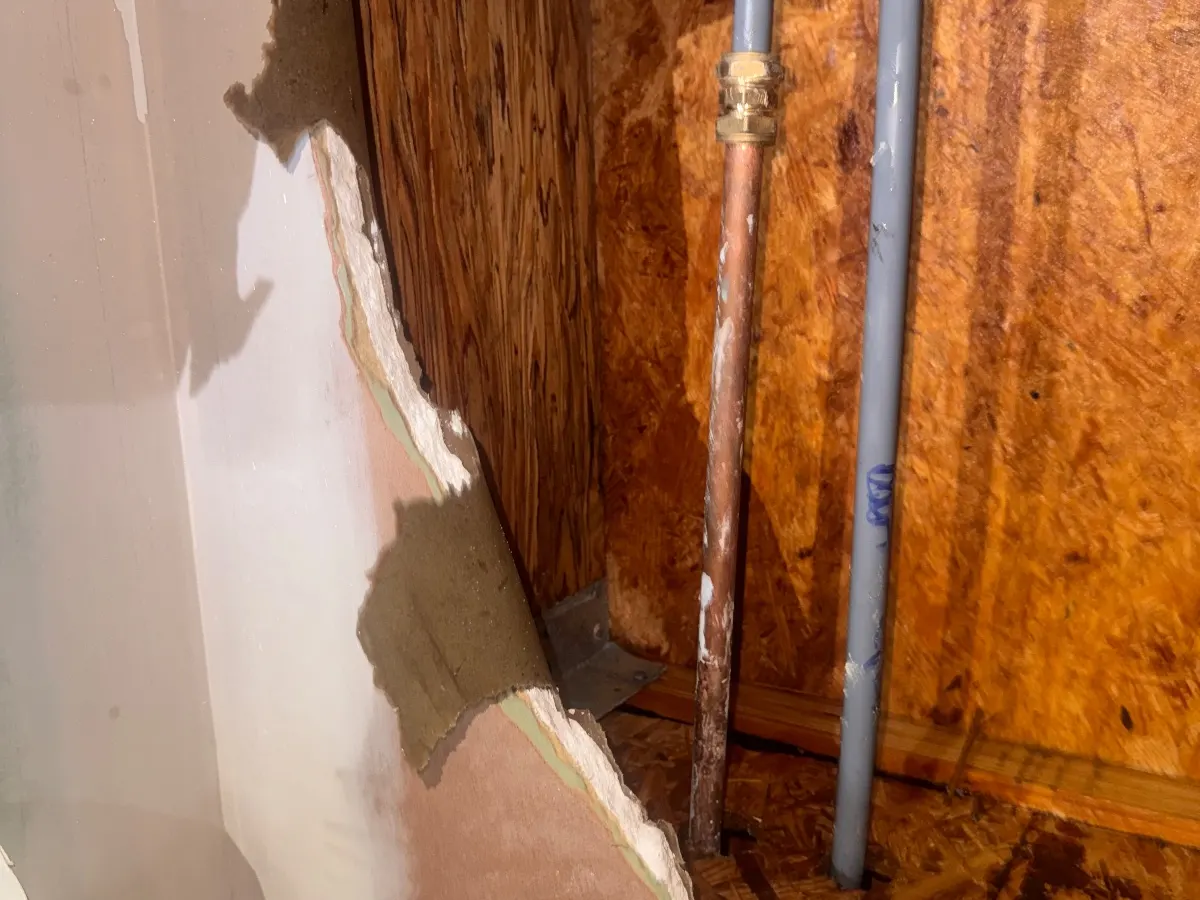
In a water leak emergency, the bill has four parts: attendance, labour, parts and access. The parts are rarely the expensive bit. A leak you can see and reach is usually a short job; one inside a wall, floor or ceiling costs more because finding and reaching it takes longer. Get the price before work starts.
The four things you are paying for
Emergency plumbing prices look confusing because firms package them differently. Underneath, almost every bill is made of the same pieces, and knowing them lets you compare quotes on the phone.
- Attendance: a call-out fee, or a first hour or half hour charged at a set rate. Out-of-hours and bank holiday rates are often higher.
- Labour: time on site after that first period, charged by the hour or included in a fixed repair price.
- Parts: fittings, a length of pipe, a valve, a trap or a hose. For most leaks this is the smallest part of the bill.
- Access and making good: lifting boards, opening boxing, cutting a ceiling or breaking out a floor, then putting it back or leaving it safe for a decorator.
What an emergency visit typically costs in London
Across the London market, many firms charge somewhere around £95 to £220 for the first hour of an out-of-hours visit, before parts. Daytime rates are lower, and some firms add a premium after midnight, at weekends or on bank holidays. After the first hour, labour commonly runs at roughly £75 to £120 an hour in the day and more at night with firms that charge a premium.
Our structure is simpler. The £60 call-out is the same at any hour, and the repair price is agreed with you on site before any work starts, so the only decision you make at 2am is whether to go ahead with a price you have already heard. See how our emergency plumber costs work.
Whoever you call, ask two questions before they set off: what you will pay just for them to turn up, and whether the repair will be priced before they start. If either answer is vague, that is where bills grow.
Figures in this article are typical UK and London market ranges from published price guides and trade rates. They are there to help you judge a quote, not our prices.
Typical repair ranges by type of leak
These are rough market ranges for the repair itself, on top of or including attendance depending on the firm. Where you are in the range depends almost entirely on how easy the leak is to reach.
- Weeping compression joint, tap connector or isolating valve under a sink or basin: often done within the first hour, with parts costing a few pounds.
- Leaking waste trap or pipe under a sink, basin or bath: a cheap part, usually under £15 for a trap, but baths and shower trays take longer because of access. See leaking waste pipe.
- Burst or split pipe you can reach: published UK price guides put the repair at roughly £200 to £450.
- Leaking toilet cistern, inlet valve or pan connector: usually parts under £30 and an hour or so of labour.
- Leaking radiator valve or radiator: from a valve repack or a new valve to a replacement radiator, which may mean draining the heating.
- Leak inside a wall, under a floor or in a ceiling void: several hundred pounds upwards once access and making good are included.
- Hidden leak needing detection equipment: a separate survey is often a few hundred pounds before any repair starts.
What makes the bill go up
The same leak can cost very different amounts. The things that move it are mostly predictable.
Access is the biggest one. A pipe under the kitchen sink takes minutes to reach. The same pipe behind a tiled wall, under an engineered wood floor or above a plasterboard ceiling can take longer to reach than to repair. Tell the plumber on the phone what is covering the leak.
Old pipework adds time. Lead supply pipes, very old galvanised steel or copper that has thinned with age can mean a small repair becomes a longer section of new pipe, because the pipe either side will not take a sound joint.
Isolation is another. If the stopcock is seized or cannot be found, the plumber has to find another way to stop the water before working, sometimes at the outside stop tap in the pavement. Knowing where your stopcock is, and whether it turns, saves real time. Our guide on how to turn off a stopcock covers that.
Damage already done rarely changes the plumbing bill, but it changes the total. Water left running into a ceiling for an hour can turn a small repair into plastering and redecorating.
How to keep an emergency leak cheaper
Most of what reduces the bill happens in the first few minutes, before anyone arrives.
- Stop the water at the nearest valve or the main stopcock, switch off the boiler or immersion (and the electrics if water is near them), then open the taps to drain the pipes
- Clear the cupboard, bath panel area or floor around the leak so the plumber can start straight away
- Take photos and a short video of the leak and any damage before you tidy up, for your insurer
- Note when it started and what you were doing, such as running the washing machine or showering, because it helps pinpoint the source
- Ask for the repair price on site before work begins, and whether making good is included
Will insurance or your landlord pay?
Buildings insurance usually covers escape of water damage: ceilings, floors and walls affected by the leak. Many policies do not pay to repair the pipe or fitting that failed, because that is treated as wear and tear, but a lot of them include trace and access cover, which pays to find a hidden leak and open up the floor or wall to reach it. Check the wording and the excess before you claim, and keep the invoice.
If you rent, the landlord is normally responsible for the pipes and the repair, and your own contents policy covers your belongings. In a block of flats, a leak from a shared pipe is usually the freeholder’s to fix. Our guide to a water leak in a flat sets out who to contact first. If the water is still running and nobody responsible answers, getting it stopped is the priority, and leak repairs explains what that visit covers.
Questions people ask
How much does an emergency plumber charge for a leak?
In London, many firms charge around £95 to £220 for the first hour out of hours, plus parts and further labour. Our £60 call-out applies at any hour, and the repair price is agreed on site before work starts.
Is it cheaper to wait until the morning?
Sometimes, if you can isolate the leak completely and still have the water and heating you need. If turning the water off leaves you without a toilet or heating, or the leak is on a pipe you cannot isolate, waiting usually costs more in damage.
Why does finding a leak cost more than fixing it?
Because the repair on a pipe is often a single joint, while reaching a hidden pipe can mean lifting floors, opening walls or using detection equipment first. Many buildings policies include trace and access cover for exactly this reason.
Should a plumber give me a price before starting?
Yes. Once they have seen the leak, you should be told what the repair will cost before any work starts, and whether that includes making good. If a firm will only quote an open-ended hourly rate, ask for an estimate of hours.