Boiler & heating breakdowns
Boiler Losing Pressure Every Day: How Worried to Be
Published
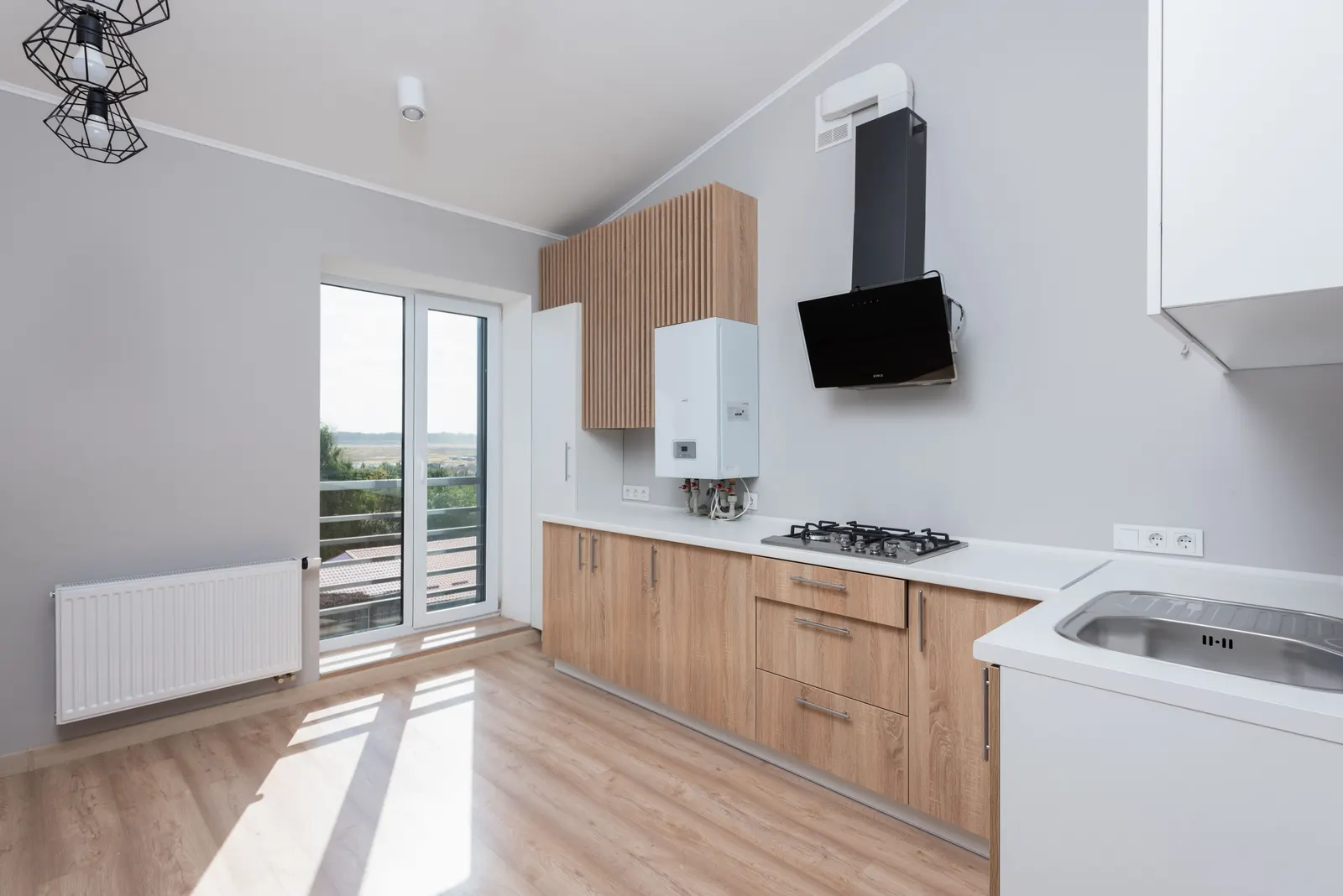
A boiler that loses pressure every day is losing water every day. The usual culprits are a weeping radiator valve, a passing pressure relief valve or a flat expansion vessel making that valve open. It is not dangerous, but daily top-ups feed fresh oxygen into the system and speed up corrosion, so find the cause within a week or two.
How fast is too fast?
A sealed heating system is a closed loop. In a perfect world the gauge would sit at the same cold reading for years. In practice a small loss is normal: Worcester Bosch, for example, says its systems usually need topping up once or twice a year. Anything much faster than that means water is getting out somewhere, and it is the usual reason an Ideal keeps going back to F1 after a top-up.
The rate tells you a lot. Before you do anything else, take the reading at the same time each morning, before the heating comes on, for three or four days. Write it down. Readings taken with the heating running are useless for this because the pressure rises as the water warms.
- Needs topping up every few months: a slow weep, worth fixing at the next service
- Needs topping up every two weeks or so: a real leak, book a repair this month
- Drops a little every day: a steady leak or a relief valve that is passing, deal with it this week
- Falls to zero overnight: a significant leak, look for water now and see our page on boiler pressure at zero
Does it only drop when the heating is on?
This one question splits the causes into two groups, and it costs nothing to answer. Top the system up to about 1.2 bar cold, then leave the heating and hot water off for a full day. On a combi, avoid running the hot taps too.
If the pressure holds with everything off but falls after a day of heating, the loss is linked to heat. That points to the expansion vessel and the pressure relief valve working together. When the vessel loses its air charge, the water has nowhere to expand into, the pressure climbs towards 3 bar, the relief valve lifts and dumps water outside, and the gauge reads low the next morning. The discharge pipe is usually a copper pipe through the wall near the boiler. A damp stain under it, or drips after the heating has run, confirms it.
If the pressure falls even with everything off, water is leaking from the pipes, radiators or the boiler itself, heated or not. That is when you start looking for the leak.
Where to look for the leak yourself
Most daily losses come from places you can see. Work round the house with a torch and a few sheets of dry kitchen roll. A drip that evaporates off a warm pipe leaves no puddle, so dab the underside of each joint and look for a wet or rust-brown mark rather than waiting to see water on the floor.
- Underneath the boiler: dab the pipe joints and the bottom of the casing, without opening it
- Outside: the relief valve pipe and the condensate pipe, which are easy to confuse. The condensate pipe is plastic and drips when the boiler runs, which is normal
- Every radiator valve and the bleed screw on each radiator, especially ones recently bled
- Towel rails in bathrooms, where valves corrode faster
- Under floorboards or kick boards near the boiler, if you can lift one easily
- Ceilings below the boiler, bathrooms and radiators on upper floors for a faint brown ring
Never take the boiler casing off to look inside. Anything behind the front panel is work for a Gas Safe registered engineer.
Why topping it up every day causes damage
It is tempting to open the filling loop each morning and carry on. For a week that is fine. For months it does real harm. Every litre of fresh mains water brings dissolved oxygen and minerals into the heating circuit. The oxygen rusts the inside of steel radiators and turns into black magnetite sludge, while the minerals leave scale on the heat exchanger. The inhibitor that was dosed into the system at installation also gets weaker with every top-up.
The result is a boiler that starts to kettle and whistle as it heats, radiators with cold patches at the bottom and a pump working harder than it should. A leak that costs little to fix in October can mean a power flush after the breakdown or a new heat exchanger by spring.
Close the filling loop fully after every top-up, too. Under the Water Supply (Water Fittings) Regulations 1999 a filling loop is a temporary connection that should be disconnected after use, because heating water must never be able to flow back into the drinking supply. A braided hose left connected with a valve that no longer seals can also mask the problem by trickling water in, and then you get the opposite fault, covered in boiler pressure keeps rising.
What about leak sealer?
Liquid leak sealer can close a very small weep in a pipe joint or radiator. It will not fix a relief valve that is not seating, a split expansion vessel diaphragm or a leak inside the boiler. Some boiler manufacturers also warn against it in their warranty terms because it can settle in narrow waterways. Read central heating leak sealer before you pour any in, and never use it as a way of not finding the leak.
What an engineer does to find a daily pressure loss
An engineer starts with the cheapest and most likely causes. They look at the relief valve discharge pipe and the valve itself, then check the expansion vessel charge with a gauge on its Schrader valve once the boiler side has been drained down. On a domestic combi the vessel charge is usually somewhere around 0.75 to 1 bar, and a vessel that reads zero has lost its charge and may only need recharging, but one that spits water from the valve has a split diaphragm.
If both are sound, they isolate the boiler from the heating pipes using its own service valves and watch which side loses pressure. If the boiler holds and the system falls, the leak is in the pipework or radiators. Radiators can then be isolated one at a time, or in groups, to narrow it down. For pipes buried in a concrete floor, which is common in flats and ground-floor extensions, tracing may need thermal imaging or acoustic equipment so that only one small patch of floor is opened.
This diagnostic work is exactly what a boiler pressure repair visit is for. Gas work is carried out by Gas Safe registered engineers.
What it typically costs to fix
Getting an engineer out costs the £60 call-out at any hour, and the repair price is agreed with you on site before any work starts. The pricing page has the full picture. As a rough guide, these are typical UK market ranges for the repairs behind a daily pressure loss, parts and labour included.
- Radiator valve or bleed screw replaced: typically about £80 to £180
- Pressure relief valve replaced: typically about £90 to £200
- Expansion vessel recharged: a short job if the diaphragm is sound
- Expansion vessel replaced: typically about £150 to £350
- Buried heating pipe traced and repaired: often several hundred pounds, depending on how much floor has to be lifted
Questions people ask
Is it normal for boiler pressure to drop a little every day?
No. With the system cold, the reading should stay much the same from one day to the next. A fall of even 0.1 bar a day means water is leaving the system and adds up to a full top-up every week or two.
My boiler loses pressure every two weeks. Should I worry?
It is not urgent, but it is a leak. A slow loss like that is usually a weeping radiator valve or a relief valve that lets a little by. Check the valves and the pipe outside, and get it fixed before the winter rather than topping up all season.
Can I leave the heating on if the pressure drops every day?
Yes, as long as you keep the cold reading between 1 and 1.5 bar and there is no water coming through a ceiling or near electrics. If the boiler locks out on low pressure, top it up and reset it once.
Why does my boiler lose pressure when the heating is on but not when it is off?
That pattern almost always means the expansion vessel has lost its charge. The pressure spikes as the water heats, the relief valve opens and lets some out, and the gauge reads low once everything cools. The vessel needs recharging or replacing.